Understanding Common Men’s Running Foot Injuries
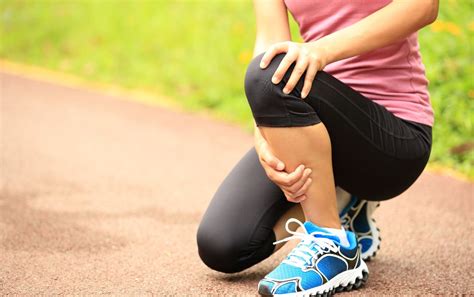
For men who embrace running as a sport, fitness routine, or a way of life, foot health is paramount. Unfortunately, the repetitive impact and stresses of running can often lead to a range of common foot injuries. These include notorious culprits like plantar fasciitis, shin splints, Achilles tendinitis, stress fractures, and runner’s knee. While technique, training load, and individual biomechanics play a significant role, the choice of running shoes is a critical, often underestimated, factor in injury prevention.
Choosing the right footwear isn’t just about comfort; it’s about providing the necessary support, cushioning, and stability to mitigate the forces acting on the feet, ankles, and lower legs. The ‘best’ shoe isn’t a single model, but rather the shoe that best matches an individual’s foot type, gait, and running style, designed with features known to combat specific injury risks.
Key Shoe Features for Injury Prevention
When searching for running shoes that excel at preventing injuries, several key features stand out:
- Cushioning: For high-impact absorption, especially crucial for heel strikers or heavier runners. Shoes with ample cushioning reduce the shock transmitted through the legs and spine, protecting joints and soft tissues. Look for materials like EVA, TPU, or brand-specific foams that offer a responsive yet protective feel.
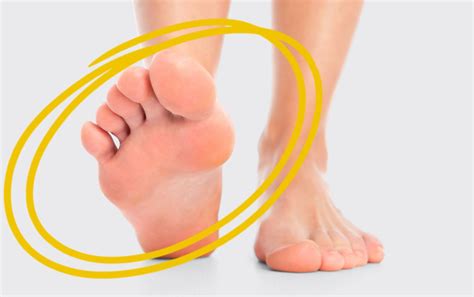
- Stability/Motion Control: Essential for runners who overpronate (when the foot rolls inward excessively during the gait cycle). Stability shoes feature medial posts or guides to prevent this inward roll, which can lead to issues like shin splints and plantar fasciitis. Motion control shoes offer maximum stability for severe overpronators.
- Arch Support: Proper arch support, whether built into the shoe or added via orthotics, can help maintain foot alignment and distribute pressure evenly. This is vital for both high arches (which need more cushioning) and low arches/flat feet (which benefit from stability).
- Fit: A proper fit is non-negotiable. Shoes should offer enough room in the toe box for toes to splay naturally without feeling cramped, preventing blisters and conditions like bunions. The heel should feel secure without slipping.
- Outsole Durability & Grip: A durable outsole ensures consistent traction and support over many miles, while good grip prevents slips and falls, especially on varied terrain.
Top Contenders for Injury Prevention
While specific models change annually, certain brands and types of shoes consistently rank high for their injury prevention capabilities. Generally, shoes fall into categories:
- Maximalist Cushioned Shoes: Brands like Hoka One One are renowned for their oversized midsoles, offering exceptional cushioning. These are excellent for long-distance runners, those recovering from injuries, or anyone seeking to minimize impact on joints. They can be particularly beneficial for preventing stress fractures and plantar fasciitis.
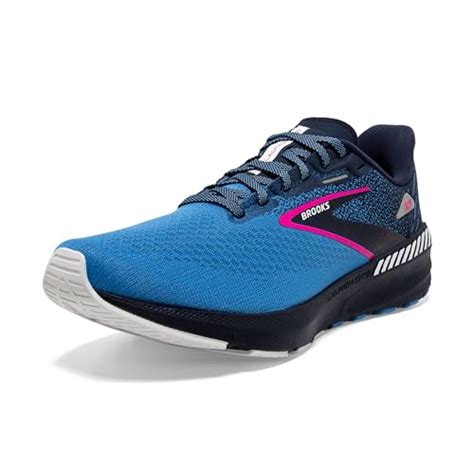
- Stability & Support Shoes: Brooks (e.g., Adrenaline GTS), Saucony (e.g., Guide), and ASICS (e.g., Kayano) have strong reputations for their stability lines. These shoes incorporate technologies to guide the foot through a more neutral gait cycle, significantly reducing the risk of injuries associated with overpronation, such as shin splints, Achilles tendinitis, and knee pain.
- Neutral Cushioned Shoes: For runners with a neutral gait or slight supination, brands like New Balance (e.g., Fresh Foam), Nike (e.g., Pegasus), and Brooks (e.g., Ghost) offer excellent cushioning without excessive stability. These are good for overall impact absorption and preventing general overuse injuries when pronation isn’t the primary concern.
Finding Your Best Match: Beyond the Brands
Ultimately, the ‘best’ shoe is subjective and highly personal. To truly prevent injuries, consider these steps:
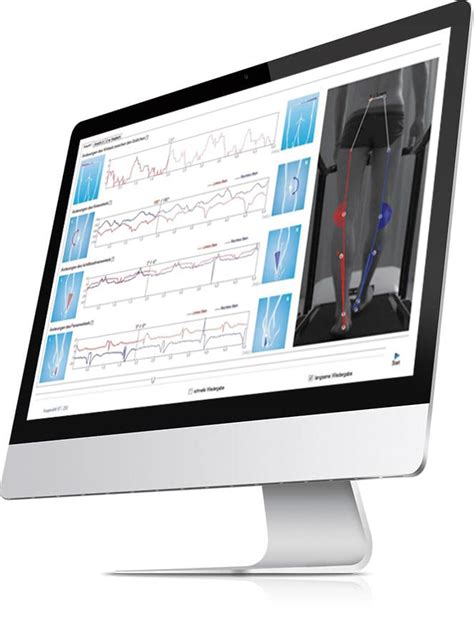
- Gait Analysis: Visit a specialized running store for a professional gait analysis. Experts can observe your foot strike and pronation patterns to recommend suitable shoe types.
- Trial and Error: Don’t be afraid to try on multiple pairs and even different brands. Run a short distance in the store if possible to get a feel for them.
- Consider Your Terrain: Trail runners need different features (grip, protection) than road runners.
- Rotation: Some runners benefit from rotating between two or more pairs of shoes. This allows cushioning to rebound and can distribute stresses differently across your feet.
- Listen to Your Body: Pay attention to any discomfort or pain. Your body is the best indicator of whether a shoe is working for you.
Conclusion
Preventing common men’s foot injuries in running is a multifaceted challenge, but the right running shoes are a cornerstone of a proactive strategy. By prioritizing shoes with appropriate cushioning, stability, arch support, and a precise fit, male runners can significantly reduce their risk of ailments like plantar fasciitis, shin splints, and stress fractures. Investing time in understanding your foot mechanics and trying on different options, ideally with professional guidance, will pave the way for a healthier, more enjoyable running journey.