Why Heavy Runners Need Specialized Footwear
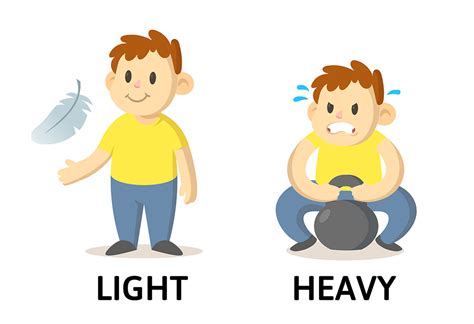
Running is a fantastic way to stay active and healthy, but for heavier runners, the impact forces on the body are significantly greater than for lighter individuals. Each stride can generate forces equivalent to two to three times one’s body weight, putting immense stress on joints, muscles, and connective tissues. This increased load makes heavy runners more susceptible to common injuries such as shin splints, plantar fasciitis, Achilles tendonitis, runner’s knee, and stress fractures if their footwear isn’t up to the task.
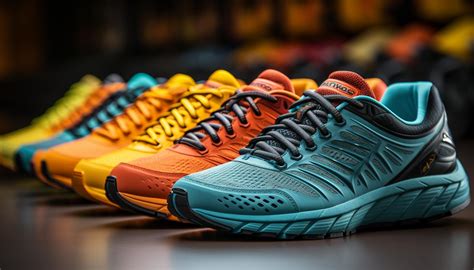
Choosing the right running shoes is not just about comfort; it’s a critical component of injury prevention. Specialized features in running shoes can absorb impact, guide foot motion, and provide the necessary support to mitigate these risks.
The Cornerstones of Injury Prevention: Key Shoe Features
Enhanced Cushioning: Absorbing the Impact
For heavy runners, generous and responsive cushioning is paramount. It acts as the primary shock absorber, dispersing impact forces across the foot and reducing the strain on joints like knees, hips, and ankles. Look for shoes with:
- High-Density Foams: Materials like EVA (ethylene-vinyl acetate), TPU (thermoplastic polyurethane), or proprietary foams (e.g., Brooks DNA, Saucony PWRRUN, Hoka PROFLY) that offer a resilient, long-lasting bounce.
- Maximalist Designs: Shoes with unusually thick midsoles specifically designed to provide superior cushioning and protection over long distances.
- Responsive Yet Protective Feel: The cushioning should feel substantial without being overly soft, offering a balance of protection and energy return.
Robust Stability and Support: Guiding Your Stride
Many heavy runners may experience overpronation – where the foot rolls excessively inward after landing – due to the increased load on the arch. This can lead to misalignments and pain in the ankles, knees, and hips. Stability features are designed to gently correct or control this motion:
- Medial Posts: Denser foam wedges placed under the arch to prevent excessive inward rolling.
- Guide Rails or J-Frame Designs: Systems that act like bumpers on the sides of the shoe, guiding the foot through a more natural gait cycle without forcing motion.
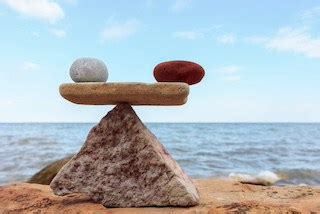
- Wider Bases: A broader platform underfoot enhances overall stability and contact area, making the shoe feel more grounded.
Superior Durability: Built to Last
The increased force from heavier runners means shoes wear out faster. Durability in the outsole and upper is crucial to ensure the shoe maintains its protective qualities over time:
- Carbon Rubber Outsoles: A hard, resilient rubber compound used in high-wear areas (like the heel and forefoot) that resists abrasion and prolongs the shoe’s lifespan.
- Reinforced Uppers: Durable mesh or engineered knit materials with strategic overlays that maintain structure and support, preventing premature stretching or tearing.
- Midsole Longevity: High-quality midsole foams that resist packing down quickly, ensuring the cushioning and support remain effective for hundreds of miles.
Optimal Fit and Wider Lasts: Comfort and Prevention
An improper fit can lead to blisters, chafing, and even exacerbate gait issues. Heavy runners often benefit from:
- Wider Toe Box: Allows toes to splay naturally, providing better balance and preventing conditions like bunions or neuromas.
- Secure Midfoot Lockdown: Prevents the foot from sliding within the shoe, reducing friction and ensuring the foot’s arch aligns correctly with the shoe’s support structures.
- Proper Sizing: Always ensure there’s about a thumb’s width of space between your longest toe and the end of the shoe.
Choosing the Right Pair: Tips for Heavy Runners
Finding the perfect shoe involves more than just reading reviews. Here are some actionable tips:
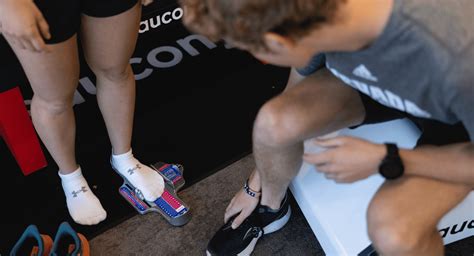
- Visit a Specialty Running Store: Professionals can analyze your gait, foot strike, and arch type to recommend appropriate shoes.
- Try Before You Buy: Always try on shoes, ideally at the end of the day when your feet are slightly swollen. Walk and lightly jog in them to assess comfort and fit.
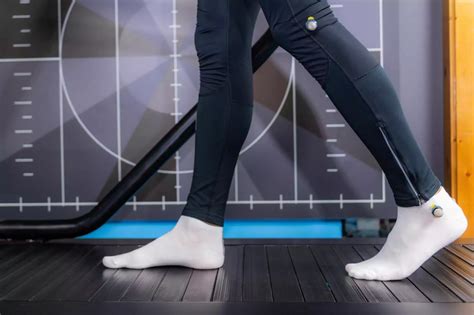
- Consider Gait Analysis: Many specialty stores offer video gait analysis, which can accurately identify pronation issues and help in selecting stability or neutral shoes.
- Don’t Compromise on Feel: If a shoe doesn’t feel right in the store, it won’t feel right on a long run. Trust your instincts.
- Replace Regularly: Running shoes typically last 300-500 miles. For heavy runners, it might be closer to the lower end of that spectrum, so track your mileage.
Conclusion
For heavy runners, investing in running shoes with enhanced cushioning, robust stability, superior durability, and an optimal fit is not a luxury, but a necessity for injury prevention. These features work in concert to absorb impact, guide proper foot mechanics, and withstand the rigors of your training. By prioritizing these shoe characteristics, heavy runners can significantly reduce their risk of common injuries, ensuring a more comfortable, enjoyable, and sustainable running journey.