Optimizing Your Daily Drive: Fuel Choice for MPG and Engine Health
For the daily commuter, the choice of fuel at the pump can often feel like a guessing game. Beyond the immediate cost, there’s a natural concern for both maximizing miles per gallon (MPG) and ensuring the long-term health of your car’s engine. Navigating the various fuel types and understanding their true impact is key to making an informed decision that benefits your wallet and your vehicle.
Understanding Your Fuel Options
Most gasoline cars are designed to run efficiently on specific fuel types, and using the wrong one won’t necessarily yield better results; in fact, it can sometimes be detrimental or simply a waste of money.
Regular Unleaded (87 Octane)
For the vast majority of vehicles on the road, regular unleaded gasoline with an 87 octane rating is precisely what the manufacturer recommends. Modern engines are engineered to prevent ‘engine knock’ or ‘pre-ignition’ effectively with this standard fuel. Using higher octane fuel in an engine designed for regular will not increase horsepower, improve MPG, or extend engine life; it merely burns a hole in your pocket.
Premium Unleaded (91+ Octane)
Premium fuel, typically 91 octane or higher, is formulated to resist pre-ignition more effectively under high compression and specific engine designs. It is essential for high-performance vehicles, turbocharged or supercharged engines, and certain luxury cars that explicitly state ‘premium fuel required’ in their owner’s manual. For these cars, using regular fuel can lead to reduced performance, decreased efficiency, and potential long-term engine damage due to knock sensors retarding ignition timing. However, if your car’s manual says ‘premium recommended’ but not ‘required,’ you might be able to use regular without harm, albeit with a slight dip in peak performance.

Diesel Fuel
Diesel vehicles operate on a completely different combustion principle than gasoline engines. If you drive a diesel car, you must exclusively use diesel fuel. Diesel engines are renowned for their fuel efficiency and longevity, often achieving higher MPG than comparable gasoline vehicles. However, they require specific maintenance and are a distinct category from the typical gasoline car discussion.
Ethanol Blends (E10, E15, E85)
Most gasoline sold today is an E10 blend, meaning it contains up to 10% ethanol. Ethanol is an alcohol fuel that has a lower energy density than pure gasoline. This means that while it’s a renewable fuel source, E10 can slightly reduce your MPG compared to pure gasoline (if you could even find it). E15 (up to 15% ethanol) is approved for vehicles 2001 and newer but might not be universally available. E85, a flex-fuel blend containing up to 85% ethanol, is only suitable for ‘Flex-Fuel’ vehicles. Using E85 in a non-flex-fuel car will cause severe engine damage. While E85 is often cheaper per gallon, its significantly lower energy density means a noticeable drop in MPG, often negating any cost savings.

The Octane Myth: More Isn’t Always Better
A persistent myth suggests that higher octane fuel cleans your engine better, provides more power, or extends engine life for any car. This is largely untrue. Octane rating is a measure of a fuel’s resistance to pre-ignition or knock. Your engine’s computer is designed to optimize performance based on the fuel specified by the manufacturer. If you put higher octane fuel into a car designed for 87 octane, the engine’s computer won’t magically adjust to extract more power; it simply won’t detect knock, which it wasn’t going to do with 87 octane anyway. You’re effectively paying more for no benefit.
Beyond Fuel Type: Other Factors for MPG & Engine Life
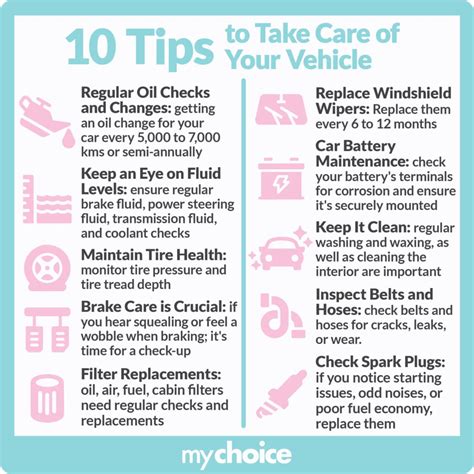
While fuel choice is important, it’s only one piece of the puzzle. Maximizing MPG and engine longevity for daily commutes also heavily depends on:
- Driving Habits: Smooth acceleration, consistent speeds, avoiding aggressive driving, and anticipating traffic are paramount. Rapid acceleration and hard braking significantly reduce MPG.
- Regular Maintenance: Adhering to your car’s service schedule for oil changes, air filter replacement, spark plugs, and fluid checks ensures all components are working efficiently and prevents undue wear and tear.
- Tire Pressure: Properly inflated tires reduce rolling resistance, improving fuel economy and tire life.
- Weight: Don’t haul unnecessary weight in your car, as it directly impacts fuel consumption.
The Verdict for Daily Commuters
For the vast majority of daily commuters driving standard gasoline vehicles, the fuel type that maximizes MPG and protects engine life is the one recommended by your car’s manufacturer – typically 87 octane regular unleaded. Trust your owner’s manual. Opting for premium when it’s not required is a waste of money, offering no measurable benefit to MPG or engine longevity.
Focus your efforts on consistent vehicle maintenance and developing fuel-efficient driving habits. These factors, far more than unnecessarily upgrading your fuel, will truly maximize your car’s MPG and ensure its engine runs smoothly for years to come on your daily commutes.