Understanding Workout Splits for Optimal Gains
For men aiming to efficiently gain muscle and strength, the structure of their training—known as a workout split—is as crucial as the exercises themselves. A well-designed split optimizes training frequency, volume, and recovery, allowing muscles to be stimulated adequately for growth without being overtrained. The ‘optimal’ split isn’t a one-size-fits-all answer but rather depends on individual experience, recovery capacity, time commitment, and specific goals.
Key Principles for Effective Muscle & Strength Building
Before diving into specific splits, it’s essential to understand the underlying principles that drive muscle hypertrophy and strength adaptations. These include:
- Training Frequency: How often a muscle group is trained per week. Higher frequency (2-3 times/week per muscle group) is generally superior for muscle growth compared to once a week.
- Training Volume: The total amount of work performed (sets x reps x weight). There’s an optimal volume window; too little won’t stimulate growth, too much can impede recovery.
- Progressive Overload: Gradually increasing the demands on your muscles over time (e.g., lifting heavier, doing more reps/sets, decreasing rest time). This is the fundamental driver of long-term gains.
- Recovery: Adequate rest, nutrition, and sleep are paramount for muscle repair and growth. Without proper recovery, even the best split will be ineffective.
- Exercise Selection: Incorporating a mix of compound (multi-joint) and isolation (single-joint) exercises for comprehensive development.

Common & Effective Workout Splits
Here’s a breakdown of the most popular and effective workout splits, each with its own advantages:
1. Full Body Split (2-4 times/week)
Structure: Every major muscle group is trained in each session.
Pros: High frequency for all muscle groups, excellent for beginners to learn movements and build a foundational base, great for strength development, allows for maximum recovery between sessions for each body part if done 2-3 times a week.
Cons: Sessions can be long, limits the volume per muscle group in a single session.
Best For: Beginners, individuals with limited training days per week, those prioritizing strength.
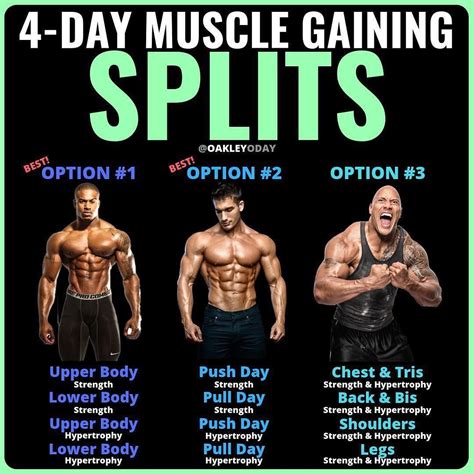
2. Upper/Lower Split (3-4 times/week)
Structure: Divides the body into upper body days and lower body days.
Pros: Allows for moderate frequency (2x/week per muscle group), provides more volume per session for each body part than full body, good balance of training and recovery, suitable for intermediate lifters.
Cons: Upper body days can be demanding.
Best For: Intermediate lifters, those who can commit to 3-4 days a week, focusing on both muscle gain and strength.
3. Push/Pull/Legs (PPL) Split (3-6 times/week)
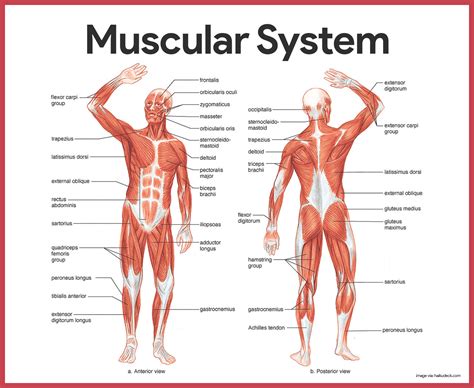
Structure: Divides workouts by movement patterns: Push (chest, shoulders, triceps), Pull (back, biceps), Legs (quads, hamstrings, glutes, calves).
Pros: Highly efficient, high frequency (each muscle group trained 2x/week if done 6 days), allows for high volume per muscle group without overlapping muscle fatigue, excellent for hypertrophy and strength.
Cons: Requires 3-6 training days a week, can be demanding on recovery if done 6 days a week.
Best For: Intermediate to advanced lifters, those who can train 4-6 days a week consistently, aiming for significant hypertrophy.
4. Bro Split / Body Part Split (4-6 times/week)
Structure: Each major muscle group (or 1-2 per session) is trained on its own day (e.g., Monday: Chest, Tuesday: Back, Wednesday: Legs, etc.).
Pros: Allows for very high volume per muscle group in a single session, provides ample recovery time for that specific muscle group before its next direct stimulation (though supporting muscles might be fatigued). Popular in bodybuilding for isolation focus.
Cons: Low training frequency (1x/week per muscle group), which is generally less effective for hypertrophy for most individuals compared to higher frequency splits. Can lead to suboptimal gains if not managed properly.
Best For: Advanced bodybuilders using specific periodization, individuals who respond well to high volume single-session training and have excellent recovery.

Which Split is ‘Optimal’ for You?
The optimal split is ultimately the one you can adhere to consistently, that allows for progressive overload, and that provides adequate recovery. Here’s a general guide:
- Beginners (0-1 year experience): Start with a Full Body (3x/week) or Upper/Lower (4x/week) split. These provide high frequency and allow you to master fundamental movements and build a solid strength base.
- Intermediate (1-3 years experience): An Upper/Lower (4x/week) or PPL (3-6x/week, often 2x per PPL cycle for 6 days total) split is often ideal. These offer a good balance of frequency and volume for continued gains.
- Advanced (3+ years experience): PPL (6x/week) or customized variations of Upper/Lower or even a body part split (if recovery and volume are meticulously managed) can be effective. Advanced lifters might also benefit from specialized splits to bring up lagging body parts.
Listen to your body, track your progress, and be willing to adjust your split as your goals, schedule, and recovery capacity change.

Conclusion: Consistency and Adaptation are Key
While the PPL and Upper/Lower splits are frequently cited as highly efficient for most men aiming to gain muscle and strength due to their optimal blend of frequency and volume, there is no single universally ‘optimal’ split. The best workout split for you will evolve with your training journey. Prioritize consistency, ensure progressive overload in your training, pay meticulous attention to nutrition and recovery, and don’t be afraid to experiment to find what yields the best results for your body and lifestyle. Remember, the most effective program is the one you can stick to and progressively make harder over time.