Understanding Octane Ratings: More Than Just a Number
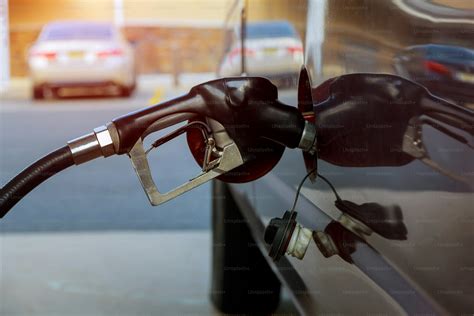
When you pull up to the gas pump, you’re faced with a choice: regular, mid-grade, or premium. These labels correspond to the fuel’s octane rating, which indicates its resistance to pre-ignition or “knocking.” Engine knock occurs when the air-fuel mixture ignites prematurely, creating uncontrolled combustion that can damage your engine and reduce efficiency.
Octane is not a measure of energy content or power; rather, it’s a measure of stability. Higher octane fuel is more resistant to this premature ignition under compression. For most drivers, the key question is whether their car truly benefits from higher octane, or if they’re simply spending more for a negligible difference.

Your Car’s Manual: The Ultimate Guide
The single most reliable source of information for your car’s fuel requirements is its owner’s manual. Manufacturers rigorously test engines to determine the ideal fuel for optimal performance and longevity. Look for sections detailing fuel type, where you’ll usually find one of two terms:
- “Recommended”: If your manual recommends premium fuel, it means your car is designed to run efficiently on regular (87 octane) fuel, but might see a marginal performance boost or slightly better fuel economy with higher octane. However, modern engines with knock sensors can adjust timing to compensate for lower octane, making the difference often imperceptible.
- “Required”: If your manual explicitly states that premium fuel is required, then using anything less can lead to engine damage over time. High-performance, turbocharged, or supercharged engines, and those with high compression ratios, typically fall into this category.
The Performance Myth: Does Higher Octane Equal More Power?
A common misconception is that premium fuel delivers more power. For cars not designed to utilize higher octane, this simply isn’t true. Using premium gas in a vehicle that only requires regular fuel will not magically increase horsepower, improve acceleration, or make your engine run “cleaner.” It’s like giving a person vitamins they don’t need; it won’t make them stronger.
However, for vehicles that *require* premium fuel, using the specified octane *is* essential for maintaining peak performance. In these engines, lower octane fuel would trigger the knock sensors, causing the engine’s computer to retard ignition timing. This adjustment prevents knocking but also reduces power output and fuel efficiency, negating any cost savings at the pump.

Impact on Your Wallet: Avoiding Unnecessary Spending
The price difference between regular and premium fuel can be substantial over the long term. If your car only requires regular gasoline, opting for premium is effectively throwing money away. Consider an average price difference of $0.50 per gallon. If you fill up 15 gallons per week, that’s an extra $7.50 per week, or nearly $400 per year, for zero benefit.
Modern vehicles are incredibly smart. Their engine control units (ECUs) are designed to adapt. If you have a car that recommends premium but you use regular, the ECU will typically adjust engine timing to prevent knock. While there might be a very minor, often unnoticeable, dip in performance or fuel economy, it’s usually not enough to justify the consistent extra cost of premium fuel.

When to Consider a Higher Octane (Even if Not Required)
There are rare scenarios where a slightly higher octane might be beneficial even if not explicitly required:
- Extreme Heat or Heavy Loads: In very hot climates, or when towing heavy loads, an engine might be under more stress and prone to pre-ignition. A slightly higher octane could offer an extra margin of safety, though still unlikely to be necessary for most vehicles.
- Engine Modifications: If your car has aftermarket performance modifications that increase compression or boost, you might need higher octane fuel, but this should be based on expert advice.
Making the Optimal Choice
For the vast majority of drivers, the optimal octane fuel is the one explicitly required by their car’s manufacturer, or if only recommended, sticking with regular (87 octane) will serve them best. Always consult your owner’s manual first. By doing so, you ensure your car performs as intended without unnecessarily draining your wallet. Don’t fall for marketing hype; trust your vehicle’s engineering.