Fueling the Machine: The Cornerstone of Performance and Growth
Achieving sustained energy and maximizing muscle growth isn’t just about training hard; it’s fundamentally about intelligent nutrition. Your body is a complex machine, and just like any high-performance engine, it requires the right type and quantity of fuel, delivered at optimal times, to function at its best. This article delves into the strategies for crafting a fuel plan that supports both relentless energy throughout your day and effective muscle protein synthesis, leading to lasting gains and improved recovery.

The Macronutrient Matrix: Carbs, Proteins, and Fats
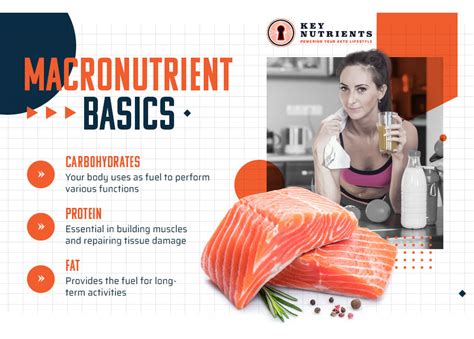
The foundation of any optimal fuel strategy lies in understanding and balancing the three primary macronutrients:
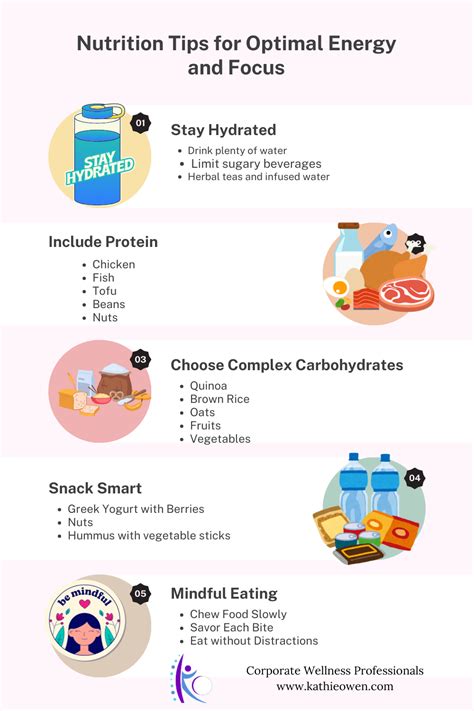
- Carbohydrates: The Energy Powerhouse. Carbs are your body’s preferred source of energy, especially for high-intensity activities. They are broken down into glucose, which is stored as glycogen in muscles and the liver. Adequate carbohydrate intake is crucial for replenishing glycogen stores, preventing fatigue, and fueling your workouts. Focus on complex carbohydrates like whole grains, fruits, and vegetables for sustained energy release, and consider simpler carbs around workout times.
- Proteins: The Building Blocks. Protein is indispensable for muscle repair, recovery, and growth. Each gram of protein supplies amino acids, which are the essential components for building and repairing muscle tissue. To optimize muscle protein synthesis, aim for a consistent intake of high-quality protein sources such as lean meats, poultry, fish, eggs, dairy, and plant-based alternatives like legumes and tofu, distributed throughout the day.
- Fats: Essential for Hormones and Sustained Energy. While often misunderstood, healthy fats are vital for numerous bodily functions, including hormone production, nutrient absorption, and providing a dense source of sustained energy. Incorporate sources of monounsaturated and polyunsaturated fats like avocados, nuts, seeds, olive oil, and fatty fish to support overall health and recovery.
Strategic Timing: When to Fuel Your Body
Beyond what you eat, when you eat plays a critical role in energy management and muscle growth:
- Pre-Workout Fuel (1-3 hours before): A meal rich in complex carbohydrates and moderate protein helps top off glycogen stores and provides amino acids to minimize muscle breakdown during exercise. Avoid high-fat or high-fiber foods immediately before a workout to prevent digestive discomfort.
- Intra-Workout Hydration and Fuel (during prolonged exercise): For workouts exceeding 60-90 minutes, a sports drink containing electrolytes and easily digestible carbohydrates can help maintain energy levels and prevent dehydration.
- Post-Workout Recovery (within 30-60 minutes): This is a crucial window for recovery. A combination of rapidly absorbed carbohydrates (to replenish glycogen) and protein (to initiate muscle repair) is ideal. A protein shake with a banana or a meal of chicken and rice are excellent choices.
- Consistent Daily Distribution: Distribute your macronutrient intake across 4-6 smaller meals or snacks throughout the day to ensure a steady supply of nutrients, maintain stable blood sugar levels, and continuously support muscle protein synthesis.

The Unsung Heroes: Micronutrients and Hydration
While macronutrients take center stage, micronutrients (vitamins and minerals) and water are equally critical for optimal performance and health:
- Micronutrients: These act as co-factors in countless metabolic processes, including energy production and muscle contraction. A diverse diet rich in fruits, vegetables, and whole foods typically provides sufficient vitamins and minerals. Consider a multivitamin if your diet is restricted or if you have specific deficiencies.
- Hydration: Water is essential for every bodily function, from nutrient transport and temperature regulation to joint lubrication and waste removal. Dehydration can severely impair performance, energy levels, and recovery. Aim to drink plenty of water throughout the day, increasing intake during and after exercise.

Individualization and Adaptation: Listen to Your Body
There’s no one-size-fits-all approach to nutrition. Your optimal fuel strategy will depend on various factors including your body type, activity level, training intensity, specific goals (e.g., endurance vs. strength), and even environmental conditions. Experiment with different macronutrient ratios, timing strategies, and food choices to see what works best for you. Pay attention to how your body responds in terms of energy levels, recovery, and progress. Consulting with a registered dietitian or a sports nutritionist can provide personalized guidance to fine-tune your approach.

Conclusion: Fueling Your Journey to Peak Performance
An optimal fuel strategy for sustained energy and muscle growth is a dynamic blend of balanced macronutrient intake, strategic timing, adequate micronutrient support, and consistent hydration. By treating your body with the nutritional respect it deserves, you’ll not only enhance your physical performance and accelerate muscle development but also enjoy improved overall health and vitality. Prioritize whole, unprocessed foods, listen to your body’s signals, and be prepared to adapt your strategy as your needs and goals evolve.