Fueling Performance and Your Wallet: Decoding Protein Needs
For active men, protein isn’t just a nutrient; it’s the cornerstone of muscle repair, growth, and overall athletic performance. However, navigating the world of protein recommendations can be daunting, especially when trying to balance peak physical condition with a sensible grocery budget. This article dives into the science-backed optimal protein intake for active men, providing practical advice to fuel your gains without draining your wallet.
Why Protein is Non-Negotiable for Active Men
Intense physical activity, whether it’s weightlifting, running, or team sports, puts stress on muscle fibers. Protein provides the amino acids necessary to repair this damage and build new muscle tissue, a process known as muscle protein synthesis. Without adequate protein, recovery is hindered, performance plateaus, and the risk of injury may increase. It also plays a vital role in hormone production, enzyme function, and immune health – all crucial for an active lifestyle.
The Scientific Sweet Spot: How Much Protein Do You Really Need?
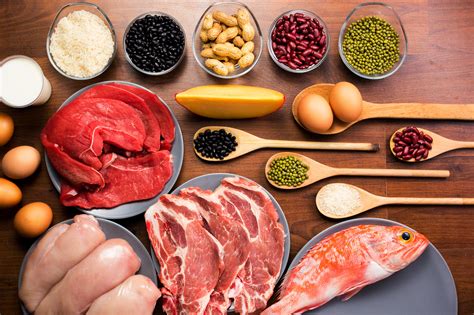
While general dietary guidelines often suggest around 0.8 grams of protein per kilogram (g/kg) of body weight for sedentary individuals, active men require significantly more. Research consistently points to a range of 1.6 to 2.2 g/kg of body weight per day for those looking to build or maintain muscle mass. For someone weighing 80 kg (approximately 176 lbs), this translates to roughly 128 to 176 grams of protein daily.
Some studies even suggest that athletes undergoing intense training or during caloric deficits might benefit from up to 2.5 g/kg to preserve lean muscle mass. However, for most active men focused on muscle growth and general fitness, sticking within the 1.6-2.2 g/kg range is a robust and achievable target.
Translating Science to Your Plate: Practical Daily Targets
To calculate your personal target, simply multiply your body weight in kilograms by the recommended range. For example, a 90 kg (198 lbs) active man might aim for 144-198 grams of protein per day. Spreading this intake across 3-5 meals and snacks throughout the day is generally more effective than consuming it all in one or two large servings, as the body can only utilize a certain amount of protein for muscle synthesis at one time (typically 20-40 grams per meal).
Saving Smart: Budget-Friendly Protein Powerhouses
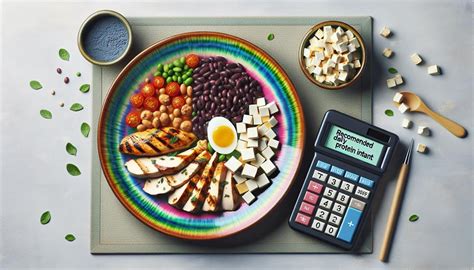
Hitting your protein targets doesn’t have to break the bank. Many excellent protein sources are surprisingly affordable:
- Legumes (Beans, Lentils, Chickpeas): Incredibly versatile, high in fiber, and packed with protein. Dried versions are even cheaper than canned.
- Eggs: One of nature’s most perfect proteins, offering all essential amino acids for pennies an egg.
- Canned Tuna/Salmon: Long shelf life, convenient, and excellent sources of protein and healthy fats.
- Chicken Thighs/Drumsticks: Often cheaper than breasts, still high in protein, and flavorful.
- Ground Turkey/Beef (Leaner Cuts): Buying in bulk when on sale can lead to significant savings. Look for leaner options to reduce saturated fat.
- Cottage Cheese/Greek Yogurt: Dairy options that offer substantial protein per serving, especially plain, unsweetened varieties.
- Whey Protein Powder: While an initial investment, per-serving cost can be very competitive, especially when purchased in larger tubs. Useful for quick boosts or post-workout.

Strategic Shopping and Meal Prep for Maximum Savings
Beyond choosing the right ingredients, smart shopping habits can dramatically reduce costs:
- Buy in Bulk: Non-perishables like dried beans, lentils, and oats are much cheaper in larger quantities.
- Shop Sales: Plan your meals around what’s on discount that week, especially for meat and poultry.
- Reduce Waste: Utilize leftovers, freeze portions, and creatively repurpose ingredients to avoid throwing food away.
- Meal Prep: Cooking large batches of protein (e.g., a whole chicken, a big pot of chili with ground meat and beans) on a designated day can save time and money throughout the week.

Optimizing Protein Utilization and Avoiding Pitfalls
While hitting your protein numbers is key, how you consume it also matters. Ensure your diet includes a variety of protein sources to get a full spectrum of amino acids. Don’t neglect other macronutrients; carbohydrates fuel your workouts, and healthy fats are crucial for hormone health. Over-relying on protein supplements can be expensive and may lead to missing out on the beneficial micronutrients found in whole food sources. Aim for a balanced approach where whole foods form the foundation of your protein intake, with supplements used strategically if needed.

Conclusion: Fuel Your Gains, Protect Your Budget
Achieving optimal daily protein intake for active men is a critical step towards maximizing muscle growth, enhancing recovery, and sustaining high performance. By aiming for 1.6 to 2.2 g/kg of body weight daily and intelligently incorporating budget-friendly protein sources like legumes, eggs, and leaner cuts of meat, you can effectively fuel your body’s demands without compromising your financial goals. Remember, consistency, variety, and smart planning are your best allies in building a strong physique and a healthy budget.