Understanding Stubborn Belly Fat in Men
For many men, shedding belly fat isn’t just about aesthetics; it’s a critical health concern. Excess abdominal fat, particularly visceral fat that surrounds organs, is linked to numerous health issues, including heart disease, type 2 diabetes, and metabolic syndrome. While general weight loss often reduces fat from all over the body, the fat around the midsection can be notoriously stubborn. This is often due to a combination of genetics, hormonal factors (like cortisol and testosterone levels), and lifestyle choices. Understanding these underlying factors is the first step toward developing an effective strategy.

The Most Effective Workout Strategy
A comprehensive workout strategy for men targeting stubborn belly fat goes beyond endless crunches. It involves a multi-faceted approach that maximizes fat burning, builds muscle, and improves metabolic health.
1. High-Intensity Interval Training (HIIT)
HIIT is a powerhouse for fat loss. It involves short bursts of intense anaerobic exercise followed by brief recovery periods. Studies show that HIIT can be more effective than steady-state cardio for reducing total abdominal fat, including visceral fat. It boosts your metabolism, leading to an ‘afterburn effect’ (EPOC – Excess Post-exercise Oxygen Consumption) where your body continues to burn calories at an elevated rate long after your workout.
2. Strength Training is Non-Negotiable
Building muscle is crucial because muscle tissue is metabolically active, burning more calories at rest than fat tissue. Incorporate full-body strength training sessions 3-4 times a week, focusing on compound movements like squats, deadlifts, bench presses, overhead presses, and rows. These exercises engage multiple muscle groups, leading to a greater calorie expenditure and a significant metabolic boost.
3. Strategic Cardio
While HIIT is excellent, don’t neglect other forms of cardio entirely. Moderate-intensity steady-state cardio can still contribute to a calorie deficit and cardiovascular health. However, prioritize HIIT and strength training as your primary tools for fat loss. Incorporate 2-3 HIIT sessions and 2-3 steady-state sessions (30-45 minutes each) per week, alongside your strength training.

The Pillar of Success: Your Diet Strategy
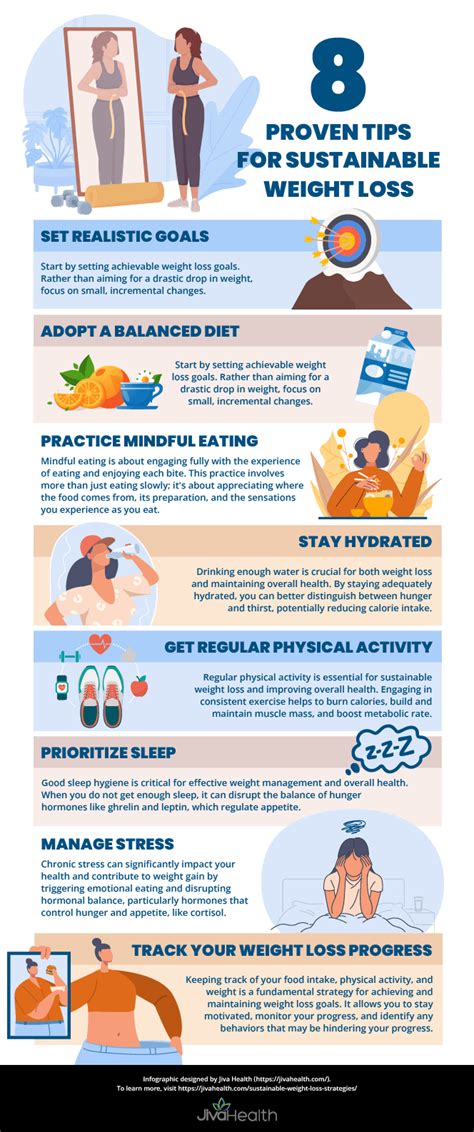
No amount of exercise can outrun a poor diet. Nutrition is arguably the most critical component when it comes to losing stubborn belly fat. Here’s how to optimize your eating habits:
1. Create a Sustainable Calorie Deficit
To lose fat, you must consume fewer calories than you burn. Aim for a moderate deficit of 300-500 calories per day. Use an online calculator to estimate your Total Daily Energy Expenditure (TDEE) and subtract from there. Avoid extreme deficits, which can lead to muscle loss and metabolic slowdown.
2. Prioritize Protein Intake
Protein is king for fat loss. It helps preserve muscle mass during a calorie deficit, increases satiety (keeping you feeling full), and has a higher thermic effect of food (TEF), meaning your body burns more calories digesting it. Aim for 0.8-1 gram of protein per pound of body weight daily, from sources like lean meats, poultry, fish, eggs, dairy, and legumes.
3. Embrace Fiber-Rich Foods
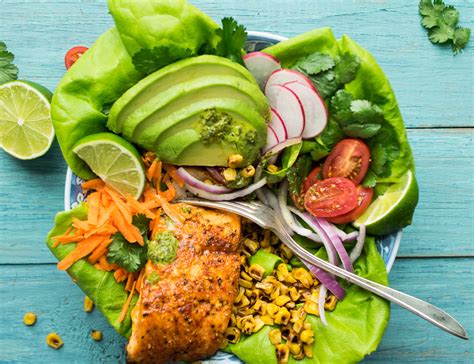
Fiber, especially soluble fiber, has been shown to reduce belly fat. It helps you feel full, stabilizes blood sugar levels, and supports gut health. Load up on vegetables, fruits, whole grains, and legumes.
4. Focus on Healthy Fats
While calorie-dense, healthy fats are essential for hormone production and satiety. Include sources like avocados, nuts, seeds, olive oil, and fatty fish in moderation. Avoid trans fats entirely.
5. Drastically Reduce Sugar and Refined Carbs
Sugary drinks, processed snacks, white bread, and pastries are major culprits for belly fat accumulation. They spike blood sugar, leading to insulin release and fat storage. Replace these with whole, unprocessed foods.
6. Hydration is Key
Drinking plenty of water supports metabolism, helps with satiety, and aids in nutrient transport. Aim for at least 8-10 glasses per day.
Crucial Lifestyle Factors
Beyond diet and exercise, two often-overlooked factors significantly impact your ability to lose stubborn belly fat:
1. Optimize Your Sleep
Lack of sleep can disrupt hormones that regulate appetite (ghrelin and leptin) and increase cortisol levels, which promotes belly fat storage. Aim for 7-9 hours of quality sleep per night.
2. Manage Stress Effectively
Chronic stress also leads to elevated cortisol, directly contributing to increased visceral fat. Incorporate stress-reduction techniques like meditation, yoga, deep breathing exercises, or hobbies into your daily routine.

Putting It All Together for Lasting Results
Losing stubborn belly fat is a marathon, not a sprint. Consistency is paramount. Implement these strategies progressively, track your progress (not just the scale, but also measurements and how your clothes fit), and be patient. Remember that spot reduction is a myth; overall fat loss through a caloric deficit combined with strategic training is the only way to achieve your goal. Consult with a healthcare professional or a certified trainer and nutritionist to tailor a plan specifically for your body and health status.