Unlocking Financial Freedom: The Debt-Wealth Hybrid Approach
Many individuals find themselves at a crossroads: should they aggressively pay off debt, or should they prioritize building wealth through investments? The most effective strategy isn’t an either/or proposition; it’s a powerful hybrid approach that tackles both simultaneously, paving a faster path to financial independence and long-term prosperity.
This strategy hinges on understanding the nuances of your financial situation, prioritizing intelligently, and leveraging the power of compounding interest and disciplined savings. It’s about creating a balanced plan that extinguishes high-interest debt while ensuring your financial future isn’t neglected.

The Foundation: Budgeting and Emergency Funds
Before any debt payoff or wealth-building plan can truly take root, a solid financial foundation is essential. This begins with creating a meticulous budget to understand your cash flow. Identify where every dollar goes and pinpoint areas where you can cut expenses to free up more funds. Simultaneously, establish an emergency fund. This liquid savings buffer, typically 3-6 months of living expenses, is paramount. It prevents new debt from accumulating when unexpected life events occur, allowing your debt payoff and investment efforts to remain on track.
Strategic Debt Elimination: Avalanche Meets Snowball
When it comes to debt payoff, two popular methods are the Debt Snowball and Debt Avalanche. The Snowball method prioritizes paying off the smallest debts first for psychological wins, while the Avalanche method targets debts with the highest interest rates first, saving you the most money over time. For the most effective strategy, we lean towards the Debt Avalanche for its mathematical efficiency, especially for high-interest credit card debt or personal loans. However, if motivation is a significant challenge, starting with a small debt snowball win can be incredibly powerful before transitioning to an avalanche approach.
Simultaneous Wealth Building: Don’t Wait
This is where the ‘hybrid’ truly shines. While aggressively paying down high-interest debt, it’s crucial not to completely neglect wealth building. Here’s how to integrate it:
- Max Out Employer Match: If your employer offers a 401(k) or similar retirement plan match, contribute at least enough to get the full match. This is essentially free money and an immediate 100% (or more) return on investment, which often outweighs the interest saved on all but the highest-rate debts.
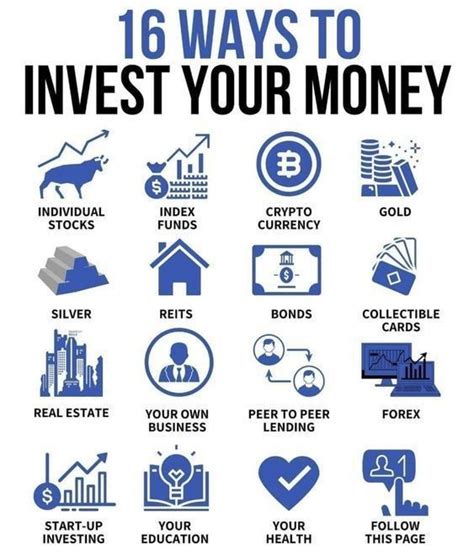
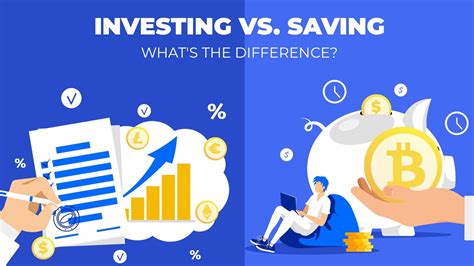
- Automate Savings: Set up automatic transfers to a low-cost index fund or ETF, even if it’s a small amount. The power of compound interest works best over time, and starting early, even with modest contributions, can make a significant difference.
- Health Savings Account (HSA): If eligible, an HSA offers a triple tax advantage (tax-deductible contributions, tax-free growth, tax-free withdrawals for qualified medical expenses) making it an excellent vehicle for both healthcare savings and retirement investment.
Accelerating the Process: Increase Income and Refinance
To truly fast-track your progress, explore ways to increase your income. This could involve negotiating a raise, taking on a side hustle, or developing new skills. Every extra dollar earned, after covering essential expenses, can be directed towards either accelerating debt payoff or boosting investments. Additionally, consider refinancing high-interest debts like student loans or personal loans to a lower interest rate, which can significantly reduce your monthly payments and the total interest paid, freeing up more capital.

The Transition: From Debt-Free to Wealth Magnate
Once your high-interest debts are conquered, pivot all the money previously allocated to debt payments directly into investments. This ‘debt-free dividend’ can dramatically supercharge your wealth-building efforts. Continue to live below your means, automate your savings, and regularly review your financial plan. As your wealth grows, diversify your investments and consider working with a financial advisor to optimize your portfolio for long-term goals like retirement, real estate, or other significant investments.
Conclusion
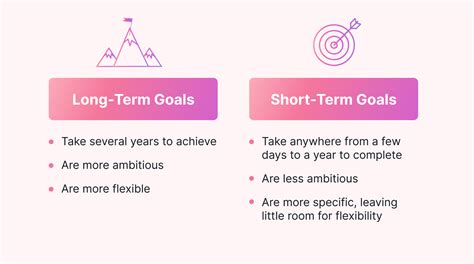
The most effective strategy to fast-track debt payoff and build wealth is a dynamic hybrid that prioritizes smart debt elimination (high-interest first), while simultaneously nurturing wealth creation through employer-matched retirement contributions and disciplined savings. It demands discipline, a clear budget, and a long-term vision, but the rewards—financial freedom and enduring prosperity—are immeasurable. Start today, and watch your financial future transform.