Unlocking Sustained Energy and Focus for Demanding Workdays
Long workdays demand more than just showing up; they require sustained mental acuity and physical stamina. For men navigating these demanding schedules, the right “fuel” isn’t merely about avoiding hunger pangs—it’s about optimizing brain function, preventing energy crashes, and maintaining concentration hour after hour. While a quick coffee might offer a temporary jolt, true sustained performance comes from a well-thought-out nutritional strategy.
The Core Pillars of Effective Fueling
To keep the engine running smoothly and efficiently, men need to prioritize specific macronutrients and micronutrients that support both physical endurance and cognitive function without the dreaded midday slump.
Complex Carbohydrates: The Steady Energy Source
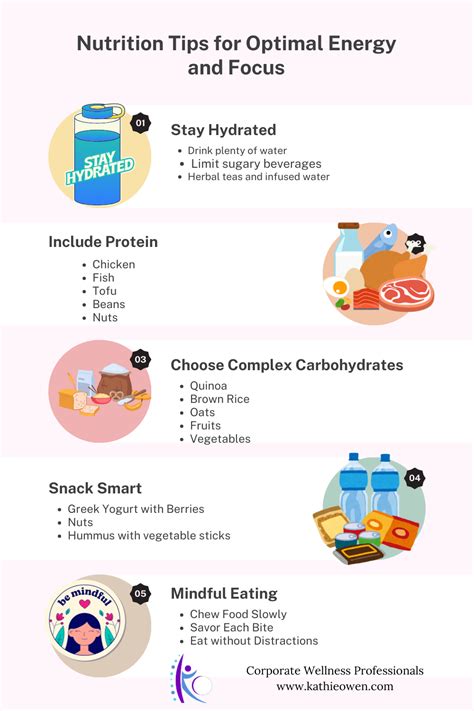
Forget refined sugars that lead to a rapid spike and subsequent crash. Complex carbohydrates are your best friend for sustained energy. Found in whole grains, vegetables, and legumes, they are digested slowly, providing a steady release of glucose into the bloodstream. This stable blood sugar level is crucial for consistent energy and preventing mental fogginess.
- Examples: Oats, brown rice, quinoa, sweet potatoes, whole-wheat bread, lentils, beans.
Lean Proteins: For Focus and Satiety
Protein is essential for muscle repair, but it also plays a significant role in cognitive function and satiety. Consuming adequate lean protein helps stabilize blood sugar, reduces cravings, and provides the amino acids necessary for neurotransmitter production, which are vital for focus and mood regulation.
- Examples: Chicken breast, turkey, fish (salmon, tuna), eggs, Greek yogurt, tofu, lean beef, protein powder.

Healthy Fats: Brain Fuel and Long-Term Energy
Healthy fats are often misunderstood but are critical for brain health and long-term energy. They slow down digestion, promoting satiety and helping to keep blood sugar stable. Omega-3 fatty acids, in particular, are vital for cognitive function and reducing inflammation.
- Examples: Avocados, nuts (almonds, walnuts), seeds (chia, flax), olive oil, fatty fish.
Beyond Macronutrients: Hydration and Micronutrients
While macros lay the foundation, micronutrients (vitamins and minerals) and proper hydration are the critical supporting cast that ensure everything functions optimally.
The Power of Water
Dehydration is a silent killer of productivity. Even mild dehydration can lead to fatigue, reduced focus, headaches, and impaired cognitive performance. Make water your primary beverage throughout the day.
- Tip: Keep a water bottle at your desk and sip regularly. Infuse with fruit for flavor if plain water is a struggle.

Essential Vitamins and Minerals
Specific micronutrients are key for energy metabolism and brain health:
- B Vitamins: Crucial for converting food into energy. Found in whole grains, meat, eggs, leafy greens.
- Magnesium: Involved in over 300 biochemical reactions, including energy production and nerve function. Found in nuts, seeds, leafy greens, dark chocolate.
- Iron: Essential for oxygen transport. Low iron can lead to fatigue. Found in red meat, lentils, spinach.
- Vitamin D: Linked to mood and energy levels. Found in fatty fish, fortified foods, sunlight exposure.
Strategic Meal Planning for Peak Performance
Integrating these elements into your daily routine is key. Here’s how to structure your meals:
Breakfast: The Non-Negotiable Start
Don’t skip it. A balanced breakfast kickstarts your metabolism and provides immediate fuel. Aim for complex carbs, lean protein, and healthy fats.
- Ideas: Oatmeal with berries and nuts, scrambled eggs with whole-wheat toast and avocado, Greek yogurt with fruit and chia seeds.

Lunch: Sustaining the Midday Marathon
Your midday meal should be substantial enough to carry you through the afternoon without causing a food coma. Focus on a good balance of macros.
- Ideas: Large salad with grilled chicken/fish and a variety of vegetables, lentil soup with whole-grain bread, turkey and avocado wrap on a whole-wheat tortilla.
Smart Snacking: Bridging the Gaps
Strategic snacking prevents extreme hunger and helps maintain stable blood sugar levels. Avoid sugary or highly processed snacks.
- Ideas: A handful of almonds, an apple with peanut butter, hard-boiled eggs, cottage cheese, vegetable sticks with hummus.

What to Limit or Avoid
Just as important as what you put in is what you keep out:
- Excessive Sugary Drinks and Processed Foods: Lead to energy spikes and crashes, poor focus, and inflammation.
- Too Much Caffeine: While helpful in moderation, over-reliance can disrupt sleep patterns and lead to jitters and anxiety.
- Heavy, Greasy Meals: These divert significant energy to digestion, often leading to post-meal lethargy.

The Holistic View: Beyond Just Food
Remember that nutrition is one piece of the puzzle. Adequate sleep, regular physical activity, and stress management are equally vital for sustained energy and focus.
Conclusion: Fueling for Peak Performance
For men facing long workdays, the most effective fuel isn’t a quick fix, but a holistic approach to nutrition. By prioritizing complex carbohydrates, lean proteins, healthy fats, and staying well-hydrated, you can build a resilient energy reserve and maintain sharp mental focus throughout your demanding schedule. Making conscious food choices is an investment in your productivity, health, and overall well-being.