For many men, the journey from being burdened by high-interest debt to achieving substantial wealth can seem like an insurmountable climb. However, with a clear strategy, unwavering discipline, and a focus on long-term goals, it’s not only possible but entirely achievable. This guide outlines a robust, multi-stage approach designed to help men systematically dismantle debt and lay a solid foundation for financial prosperity.
Phase 1: Aggressive Debt Demolition
The first and most critical step is to confront high-interest debt head-on. This typically includes credit card balances, personal loans, and certain types of student loans. These debts act like a corrosive force, eating away at your financial future with exorbitant interest rates.
Prioritize and Strategize
Identify all your debts, their interest rates, and minimum payments. The “Debt Avalanche” method is generally superior for high-interest debt. List your debts from the highest interest rate to the lowest, and focus all extra payments on the one with the highest rate while making minimum payments on the others. Once the highest-rate debt is cleared, roll that payment amount into the next highest. This method saves you the most money on interest over time.

Slash Expenses and Boost Income
To accelerate debt repayment, you need to free up as much cash as possible. Create a detailed budget, meticulously tracking every dollar in and out. Identify non-essential spending that can be cut ruthlessly—dining out, subscriptions, unnecessary gadgets. Simultaneously, explore avenues to increase your income. This could involve negotiating a raise, taking on a side hustle, selling unused items, or picking up freelance work. Every extra dollar should be channeled directly towards your highest-interest debt.
Phase 2: Building an Unshakeable Financial Foundation
Once high-interest debt is significantly reduced or eliminated, the focus shifts from defense to offense. Now is the time to build a robust financial safety net.
Establish an Emergency Fund
This is non-negotiable. Aim to save 3-6 months’ worth of essential living expenses in an easily accessible, high-yield savings account. This fund acts as a buffer against unexpected life events—job loss, medical emergencies, car repairs—preventing you from falling back into debt. Without this cushion, even minor setbacks can derail your progress.

Optimize Your Credit Score
A good credit score is vital for future wealth-building steps, such as securing favorable interest rates on mortgages or business loans. Continue to make all payments on time, keep credit utilization low (below 30%), and regularly review your credit report for errors. Responsible credit management demonstrates financial maturity.
Phase 3: Strategic Wealth Accumulation and Investment
With debt under control and an emergency fund in place, you’re ready to start building significant wealth. This phase requires a long-term perspective and consistent action.
Maximize Retirement Contributions
If your employer offers a 401(k) match, contribute at least enough to get the full match – this is essentially free money and an immediate 100% return on your investment. Beyond that, maximize contributions to tax-advantaged accounts like a 401(k) and a Roth IRA. These accounts offer significant tax benefits and allow your investments to grow compounded over decades.

Invest Wisely and Diversify
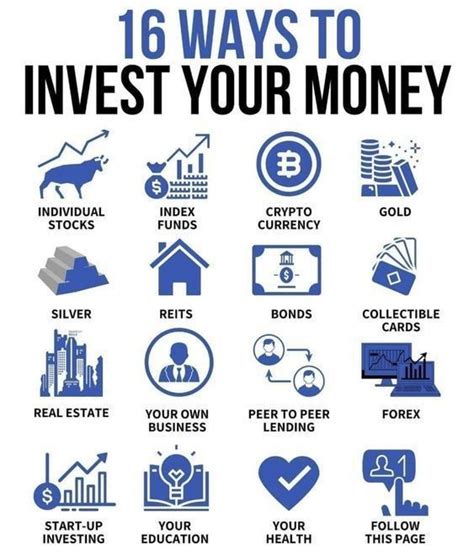
For long-term growth, focus on low-cost, diversified investments. Index funds and Exchange Traded Funds (ETFs) that track broad market indices (like the S&P 500) are excellent choices for most investors. They offer diversification without the need for active stock picking. Resist the urge to chase fads or get rich quick schemes; consistent, disciplined investing in diversified assets is the proven path to wealth.
Consider consulting a fee-only financial advisor to create a personalized investment plan tailored to your risk tolerance and financial goals. Diversify across different asset classes, industries, and geographies to mitigate risk.

Phase 4: Cultivating a Wealth-Building Mindset
Financial success isn’t just about numbers; it’s profoundly influenced by your mindset, discipline, and commitment.
Embrace Continuous Learning
The financial landscape is always evolving. Make a habit of reading books, reputable financial articles, and listening to podcasts about personal finance and investing. The more you understand, the more confident and capable you will become in making informed decisions.
Practice Patience and Consistency
Building wealth is a marathon, not a sprint. There will be market fluctuations and unforeseen challenges. Stay patient, stick to your plan, and be consistent with your savings and investment contributions. The power of compound interest works wonders over time, but it requires time.
Set Clear, Measurable Goals
Define what “wealth” means to you. Is it early retirement, buying a dream home, funding a child’s education, or starting a business? Having specific, measurable, achievable, relevant, and time-bound (SMART) goals will provide direction and motivation.

Conclusion: Your Path to Financial Freedom
Crushing high-interest debt and building wealth is a journey that demands intentionality and perseverance. By aggressively tackling debt, building a solid financial foundation, investing strategically, and cultivating a disciplined mindset, men can systematically transform their financial lives. This isn’t just about accumulating money; it’s about achieving financial freedom, reducing stress, and creating opportunities for a more secure and fulfilling future.