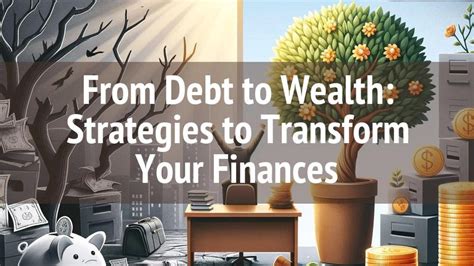
Taking Control: The Dual Front of Financial Freedom
For many men, the quest for financial security involves a formidable challenge: simultaneously tackling high-interest debt and establishing a solid emergency fund. High-interest debt, often from credit cards or personal loans, can feel like a relentless drag, eroding hard-earned money and delaying wealth accumulation. At the same time, living without an emergency fund is like navigating a minefield without protection, leaving you vulnerable to unexpected expenses that can derail your financial progress and force you further into debt.
This article outlines a pragmatic, two-phase strategy designed to help men not only crush high-interest debt but also build a robust emergency fund, setting a strong foundation for lasting financial independence. The key lies in understanding the interplay between these two goals and implementing a disciplined, sequential approach.

Phase 1: The Starter Emergency Fund – Your Immediate Shield
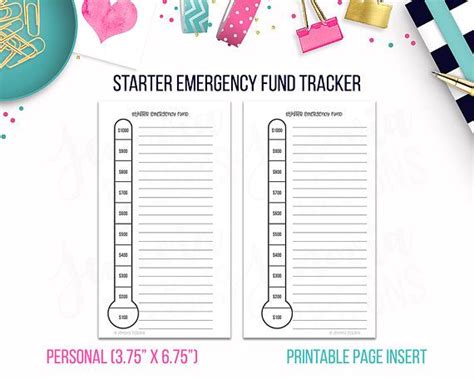
Before launching a full-scale assault on high-interest debt, the absolute first step is to establish a small, foundational emergency fund. This isn’t your full six-month safety net, but rather a quick-win goal to provide a psychological boost and a crucial buffer against minor financial shocks. Aim for around $1,000 or one month’s essential living expenses, whichever is greater.
Why this initial step? Because unexpected expenses will happen – a car repair, a dental emergency, or a sudden home repair. Without this small fund, these inevitable events would force you to rely on credit cards, perpetuating the debt cycle you’re trying to escape. Fund this quickly by cutting non-essential spending, selling unused items, or picking up a short-term side gig. It’s about creating immediate stability.
Phase 2: Aggressively Crushing High-Interest Debt
Once your starter emergency fund is in place, it’s time to channel every available dollar towards eliminating high-interest debt. This is where you become relentlessly aggressive. You have two primary strategies:
- Debt Avalanche: List your debts from highest interest rate to lowest. Pay the minimum on all debts except the one with the highest interest rate, on which you pay as much as possible. Once that debt is paid off, roll that payment amount into the next highest interest rate debt. This method saves you the most money in interest over time.
- Debt Snowball: List your debts from smallest balance to largest. Pay the minimum on all debts except the smallest, on which you pay as much as possible. Once that debt is paid off, roll that payment amount into the next smallest debt. This method provides psychological wins, as you see debts disappear faster, keeping motivation high.
Whichever method you choose, the key is intensity. Cut expenses ruthlessly, scrutinize every dollar, and direct all extra income (bonuses, tax refunds, side hustle earnings) towards debt repayment. Consider debt consolidation with a lower interest rate, but only if you have a solid plan to avoid accumulating new debt. This phase demands discipline and focus.

Building Your Full Emergency Fund – The Ultimate Fortress
After you’ve successfully paid off all your high-interest debt, it’s time to shift your focus to building a full emergency fund. The money you were previously dedicating to debt payments can now be redirected to savings. The goal here is to accumulate 3 to 6 months’ worth of essential living expenses (rent/mortgage, utilities, food, transportation, insurance).
This larger fund provides true financial resilience. It allows you to weather job loss, significant medical bills, or major home repairs without going back into debt. Keep this money in an easily accessible, high-yield savings account, separate from your everyday checking account. The mental peace that comes with a fully funded emergency reserve is invaluable, allowing you to take calculated risks and pursue opportunities without the constant fear of financial setbacks.

Beyond the Basics: Sustaining Momentum
Crushing debt and building an emergency fund are significant achievements, but financial security is an ongoing journey. To sustain your momentum:
- Master Budgeting: Continue to track your income and expenses diligently. A budget is a tool for control, not restriction, ensuring your money aligns with your values and goals.
- Increase Income: Explore ways to boost your earning potential. This could involve skill development, negotiating a raise, starting a side hustle, or exploring passive income streams.
- Invest for the Future: Once debt is gone and your emergency fund is solid, shift your focus to investing for long-term goals like retirement, a down payment on a home, or your children’s education.
- Maintain Discipline: Financial freedom is built on consistent, smart decisions. Regularly review your finances and adjust your strategy as life circumstances change.

Conclusion: Your Path to Financial Resilience
The best strategy for men to crush high-interest debt and build an emergency fund is a disciplined, two-pronged attack: first, secure a starter emergency fund; second, aggressively eliminate high-interest debt; and third, build a full, robust emergency fund. This systematic approach tackles immediate risks while clearing the path for substantial long-term financial growth and genuine peace of mind. By taking control and committing to this strategy, you’re not just managing money – you’re building a foundation for a stronger, more secure future for yourself and your loved ones.