
For many men, the quest to shed stubborn belly fat can feel like an uphill battle. Despite diligent efforts in the gym and kitchen, that persistent layer around the midsection often remains, posing not just an aesthetic concern but also a significant health risk. This article delves into the most effective, science-backed strategies specifically tailored for men to conquer belly fat and, crucially, keep it off for good.
Understanding Stubborn Belly Fat in Men
Belly fat, particularly visceral fat—the kind that surrounds your organs—is a more dangerous foe than subcutaneous fat (the jiggly kind under your skin). Visceral fat is metabolically active, releasing inflammatory compounds and hormones that increase the risk of heart disease, type 2 diabetes, certain cancers, and metabolic syndrome. Men naturally tend to store more fat in their abdominal region due to hormonal differences, primarily testosterone, which influences fat distribution. As men age, declining testosterone levels can exacerbate this tendency, making belly fat even more tenacious.

Pillar 1: Strategic Nutrition for Fat Loss
Losing belly fat fundamentally comes down to creating a consistent caloric deficit, but how you achieve this deficit is critical for sustainable results and preserving muscle mass.
Prioritize Protein
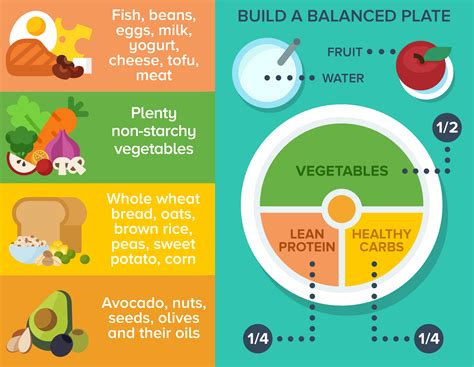
High-protein diets are crucial for satiety, reducing overall calorie intake, and preserving muscle tissue during weight loss. Aim for 1.6-2.2 grams of protein per kilogram of body weight from sources like lean meats, poultry, fish, eggs, and legumes.
Embrace Fiber-Rich Whole Foods
Fiber, especially soluble fiber, has been shown to reduce visceral fat. Load up on vegetables, fruits, whole grains, and legumes. These foods are low in calories, high in nutrients, and promote fullness.
Choose Healthy Fats Wisely
Don’t fear fats, but choose them wisely. Monounsaturated and polyunsaturated fats (avocados, nuts, seeds, olive oil, fatty fish) are essential for hormone production and overall health. Limit saturated fats and avoid trans fats entirely.
Minimize Refined Carbs and Sugary Drinks
These are major culprits for belly fat accumulation. Refined carbs (white bread, pasta, pastries) and sugary beverages cause rapid blood sugar spikes, leading to insulin release and increased fat storage around the abdomen. Opt for complex carbohydrates and water.
Pillar 2: Optimized Exercise Regimen
While diet is paramount for fat loss, exercise is crucial for metabolic health, muscle preservation, and burning additional calories.
Strength Training is Non-Negotiable
Building and maintaining muscle mass is key because muscle is metabolically active, burning more calories at rest than fat. Incorporate full-body strength training 3-4 times per week, focusing on compound movements like squats, deadlifts, presses, and rows.
Integrate High-Intensity Interval Training (HIIT)
HIIT has been shown to be particularly effective for visceral fat reduction. Short bursts of intense exercise followed by brief recovery periods can significantly boost metabolism and fat burning.
Consistent Moderate-Intensity Cardio
While HIIT is great, don’t neglect consistent moderate-intensity cardio (e.g., brisk walking, jogging, cycling) for overall cardiovascular health and additional calorie expenditure. Aim for at least 150 minutes per week.
Core Work vs. Fat Loss
While exercises like planks and crunches strengthen your core muscles, they won’t directly burn belly fat (spot reduction is a myth). Combine core work with a calorie-deficit diet and full-body exercise for best results.

Pillar 3: Lifestyle Factors for Hormonal Harmony
Beyond diet and exercise, several lifestyle elements profoundly impact hormone levels and fat storage.
Stress Management
Chronic stress elevates cortisol, a hormone that promotes the storage of visceral fat. Implement stress-reducing techniques like meditation, yoga, deep breathing exercises, spending time in nature, or engaging in hobbies you enjoy.
Prioritize Quality Sleep
Lack of sleep disrupts hunger-regulating hormones (ghrelin and leptin) and can increase cortisol, leading to increased appetite and fat storage. Aim for 7-9 hours of quality sleep per night in a dark, cool, quiet environment.
Limit Alcohol Intake
Alcohol contains “empty” calories and can interfere with fat burning and hormone balance, often leading to increased abdominal fat accumulation (the infamous “beer belly”). Moderate or eliminate alcohol consumption.
Stay Hydrated
Drinking plenty of water supports metabolism, aids digestion, and can help you feel full, reducing overall calorie intake.

Pillar 4: Consistency, Patience, and Sustainability
Losing stubborn belly fat is a marathon, not a sprint. Sustainable results require a long-term commitment to these healthy habits.
- Be Patient: Fat loss is not linear. There will be plateaus. Stay consistent and trust the process.
- Track Progress: Don’t just rely on the scale. Take measurements (waist circumference is key for belly fat), progress photos, and note improvements in strength and energy levels.
- Seek Professional Guidance: If you’re struggling, consider consulting a doctor, registered dietitian, or certified personal trainer for personalized advice.
- Focus on Health, Not Just Aesthetics: Shifting your mindset to prioritize health benefits (reduced disease risk, increased energy) can be a powerful motivator for long-term adherence.

Conclusion: A Holistic, Science-Backed Approach
The best science-backed strategy for men to lose stubborn belly fat and keep it off is a holistic one. It’s not about quick fixes or extreme diets, but rather a consistent, integrated approach combining a protein-rich, fiber-heavy diet with a caloric deficit, a balanced exercise regimen of strength training and cardio (including HIIT), and crucial lifestyle adjustments like stress management and adequate sleep. By embracing these pillars, men can effectively reduce dangerous visceral fat, improve their overall health, and maintain a leaner, more vibrant physique for years to come.