The Quest for Sustained Vigor and Sharp Focus
In a world demanding constant productivity, the quest for sustained energy and razor-sharp focus without the inevitable crash is more crucial than ever. Many turn to quick fixes like sugary drinks or excessive caffeine, only to find themselves plummeting into fatigue shortly after a fleeting boost. The secret to enduring vitality and mental clarity lies not in a magic pill, but in understanding and optimizing your body’s fuel sources.
The Science Behind Sustained Energy
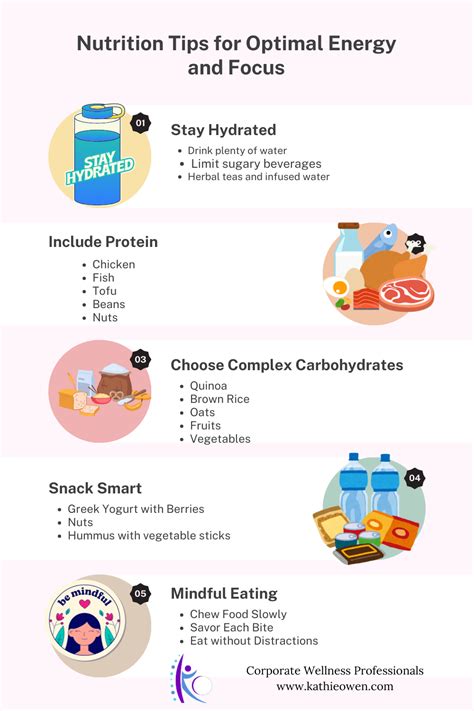
Our bodies primarily derive energy from macronutrients: carbohydrates, fats, and proteins. However, not all sources are created equal. Simple carbohydrates, found in refined sugars and white flours, provide a rapid surge of glucose, leading to a quick energy spike followed by a rapid drop – the dreaded crash. In contrast, complex carbohydrates, healthy fats, and lean proteins offer a more gradual and steady release of energy, sustaining both your body and mind for hours.

Complex Carbohydrates: The Steady Burn
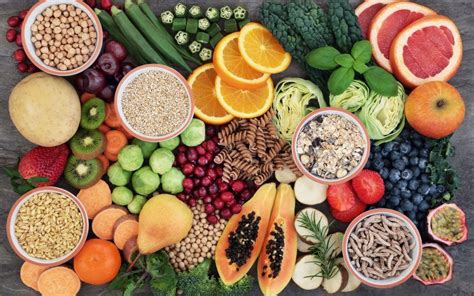
These are your body’s preferred long-term energy source. Foods like whole grains (oats, quinoa, brown rice), legumes (lentils, beans), and starchy vegetables (sweet potatoes, squash) are rich in fiber. Fiber slows down the digestion and absorption of glucose, leading to a gentle, prolonged rise in blood sugar and consistent energy levels. This steady supply prevents the sharp peaks and valleys associated with simple sugars.
Healthy Fats: The Long-Haul Fuel
Far from being the enemy, healthy fats are essential for sustained energy and cognitive function. Monounsaturated and polyunsaturated fats, found in avocados, nuts, seeds, olive oil, and fatty fish (like salmon), are calorie-dense and digest slowly. This slow digestion provides a sustained energy trickle, keeps you feeling full, and helps stabilize blood sugar. Furthermore, essential fatty acids, particularly Omega-3s, are vital for brain health, supporting focus, memory, and mood regulation.

Lean Proteins: The Stability Builders
Protein plays a crucial role in preventing energy crashes. When consumed alongside carbohydrates, protein further slows down glucose absorption, minimizing blood sugar spikes. It also provides amino acids, which are building blocks for neurotransmitters like dopamine and norepinephrine, crucial for focus and alertness. Excellent sources include lean meats, poultry, fish, eggs, dairy, tofu, and tempeh.
Beyond Macronutrients: Essential Support
While macronutrients are primary energy sources, micronutrients (vitamins and minerals) and hydration are critical co-factors for energy production and brain function. B vitamins are essential for converting food into energy, magnesium supports muscle and nerve function, and iron is vital for oxygen transport. Dehydration, even mild, can significantly impair concentration and lead to fatigue. Ensure adequate intake of fruits, vegetables, and plenty of water throughout the day.
Foods and Habits to Minimize for Stability
To avoid energy crashes, it’s wise to limit or avoid:
- Refined Sugars and Processed Foods: These offer quick energy followed by a sharp drop.
- Excessive Caffeine: While a moderate amount can be beneficial, too much can lead to jitters, anxiety, and a more pronounced crash as its effects wear off. Consider green tea for a gentler, L-theanine boosted energy.
- Irregular Meal Timing: Skipping meals or eating inconsistently can disrupt blood sugar levels and lead to fatigue and poor concentration.
Crafting Your Optimal Fuel Strategy
The “best” fuel isn’t a single food but a strategic combination. Aim for balanced meals that include complex carbohydrates, healthy fats, and lean protein. Think whole-grain toast with avocado and eggs for breakfast, a salad with grilled chicken and nuts for lunch, or salmon with quinoa and roasted vegetables for dinner. Regular, smaller meals and smart snacking (like an apple with almond butter) can also help maintain steady energy levels.

Sample Day for Sustained Energy & Focus
- Breakfast: Oatmeal with berries, nuts, and a scoop of protein powder.
- Mid-morning Snack: Greek yogurt with a few whole-wheat crackers.
- Lunch: Large salad with mixed greens, chickpeas, grilled chicken, avocado, and olive oil vinaigrette.
- Mid-afternoon Snack: Apple slices with a tablespoon of peanut butter.
- Dinner: Baked salmon with a generous serving of quinoa and steamed broccoli.

The Holistic Approach to Enduring Energy
Ultimately, sustained energy and focus without a crash stem from a holistic approach to nutrition. Prioritizing complex carbohydrates, healthy fats, and lean proteins, coupled with adequate hydration and micronutrient intake, creates a stable internal environment. This allows your body to draw upon a consistent energy supply, keeping your mind sharp and your body strong throughout the day, every day. Ditch the quick fixes and embrace a balanced eating strategy for true, lasting vitality.