Achieving Dual Goals: Fat Loss and Muscle Building
For many men, the quest for a sculpted physique involves the dual challenge of shedding stubborn belly fat while simultaneously building lean muscle. While these might seem like opposing goals, a strategically designed workout routine, coupled with smart nutritional choices, can make this transformation highly efficient. It’s not just about spending hours in the gym, but about working smarter, not harder.

The Core Principles for Success
To effectively lose fat and build muscle, you must adhere to several fundamental principles that govern body composition changes.
Caloric Deficit for Fat Loss
To lose fat, your body must be in a caloric deficit, meaning you consume fewer calories than you burn. This forces your body to tap into stored fat reserves for energy. However, the goal is a moderate deficit, as too steep a deficit can lead to muscle loss.
Progressive Overload for Muscle Growth
Muscle growth (hypertrophy) occurs when your muscles are consistently challenged to do more than they’re accustomed to. This principle, known as progressive overload, involves gradually increasing the weight, reps, sets, or decreasing rest times over time. Without it, your muscles have no reason to grow.
Prioritizing Protein Intake
Protein is crucial for both fat loss and muscle building. It helps preserve muscle mass during a caloric deficit and provides the building blocks for new muscle tissue. Aim for a high protein intake, typically 0.7-1 gram per pound of body weight.
The Ideal Workout Routine Components
An efficient routine integrates various training modalities to maximize both fat burning and muscle development.
Strength Training: Your Foundation
Strength training is non-negotiable. Focus on compound movements that work multiple muscle groups simultaneously, leading to greater caloric expenditure and hormonal response.
- Compound Lifts: Squats, deadlifts, bench presses, overhead presses, rows. These should form the bulk of your routine.
- Frequency: Aim for 3-4 full-body or upper/lower split strength training sessions per week.
- Rep Range: For muscle growth, 6-12 reps per set is generally effective, with 3-4 sets per exercise.

High-Intensity Interval Training (HIIT)
HIIT is incredibly effective for fat loss, even preserving muscle mass. Short bursts of intense exercise followed by brief recovery periods elevate your heart rate, boost metabolism, and create an “afterburn effect” (EPOC), where your body continues to burn calories long after the workout.
- Examples: Sprints, battle ropes, burpees, cycling, or rowing intervals.
- Frequency: Incorporate 1-2 HIIT sessions per week on non-strength training days, lasting 15-25 minutes.
Low-Intensity Steady State (LISS) Cardio
While not as intense, LISS cardio, like brisk walking or light jogging, can complement your routine. It burns additional calories, aids in recovery by improving blood flow, and places less stress on your body than HIIT, making it sustainable.
- Frequency: 2-3 sessions per week, 30-45 minutes each, perhaps after a strength session or on separate days.
Sample Weekly Workout Schedule
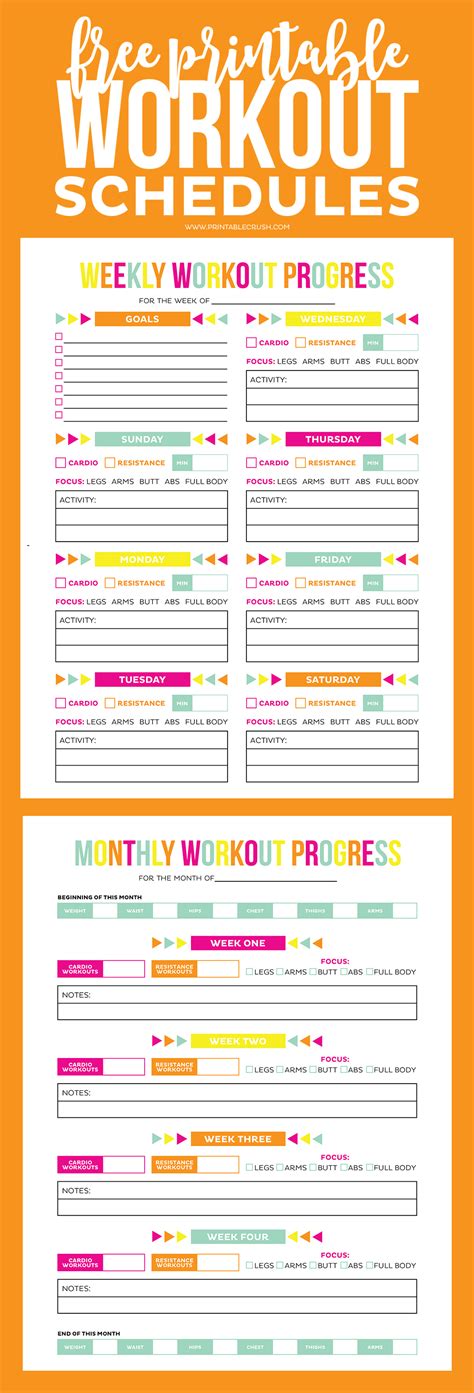
Here’s a template you can adapt:
- Monday: Full-Body Strength Training A
- Tuesday: HIIT Session / LISS Cardio
- Wednesday: Full-Body Strength Training B
- Thursday: Rest / Active Recovery (light stretching)
- Friday: Full-Body Strength Training C
- Saturday: HIIT Session / LISS Cardio
- Sunday: Rest / Active Recovery
Nutrition: The Unsung Hero
No matter how perfect your workout, without proper nutrition, your results will be suboptimal.
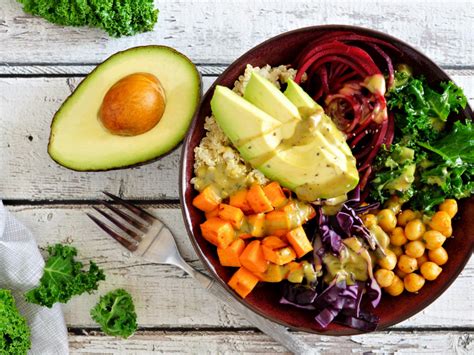
- Protein: As mentioned, prioritize lean protein sources (chicken, fish, eggs, lean beef, legumes, protein powder).
- Complex Carbohydrates: Fuel your workouts and aid recovery with whole grains, sweet potatoes, oats, and fruits. Time most of your carb intake around your workouts.
- Healthy Fats: Essential for hormone production and overall health (avocados, nuts, seeds, olive oil).
- Hydration: Drink plenty of water throughout the day.
- Whole Foods: Minimize processed foods, sugary drinks, and excessive saturated fats.
Recovery and Consistency Are Key
Your body builds muscle and burns fat during rest, not during the workout itself.
- Sleep: Aim for 7-9 hours of quality sleep per night. Lack of sleep impairs recovery, muscle growth, and can increase fat storage.
- Stress Management: Chronic stress elevates cortisol, which can hinder fat loss and muscle gain. Incorporate stress-reducing activities.
- Consistency: The most effective routine is the one you can stick to long-term. Be patient, adapt as needed, and celebrate small victories.
Conclusion
Losing belly fat and building muscle efficiently requires a multifaceted approach: a challenging strength training program, strategic cardio (HIIT and LISS), and a diligent nutrition plan focused on a moderate caloric deficit and high protein intake. Combine these with adequate rest and unwavering consistency, and you’ll be well on your way to achieving a stronger, leaner physique. Remember, progress takes time, so stay disciplined and enjoy the journey to a healthier you.