In an era where fuel prices seem to be constantly climbing, finding ways to stretch every gallon is more important than ever. For many men, the car isn’t just a mode of transport; it’s an extension of their independence and daily routine. But what if simple adjustments to your driving and car care habits could put a significant amount of money back in your pocket each month? The good news is, they can. Adopting a few smart, easy-to-implement strategies won’t just save you cash; they can also reduce wear and tear on your vehicle and contribute to a greener footprint.
Mastering Your Driving Style for Maximum Efficiency
The way you drive has the most immediate and profound impact on your car’s fuel consumption. Think of it as refining your technique behind the wheel – small changes yield big results.
Smooth Acceleration and Braking
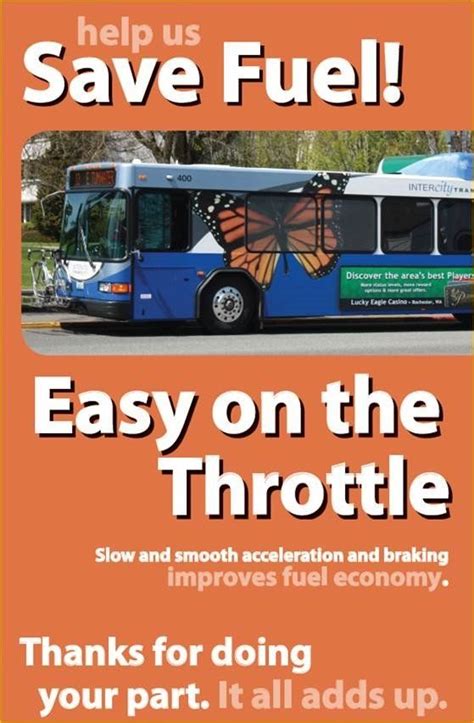
- Gentle Starts: Jackrabbit starts are a major fuel killer. Accelerate smoothly and gradually. Your engine uses a lot more fuel when pushed hard from a standstill.
- Anticipate Traffic: Look ahead and anticipate stops and slowdowns. Rather than slamming on the brakes, ease off the accelerator and coast to a stop. This not only saves fuel but also reduces wear on your brakes.
Maintain Steady Speeds and Use Cruise Control
Fluctuating speeds constantly waste fuel as your engine repeatedly has to work harder to regain momentum. On highways, engaging cruise control on flat terrain helps maintain a consistent speed, optimizing fuel efficiency by preventing unnecessary acceleration.
Avoid Excessive Idling
If you’re going to be stationary for more than 30 seconds (excluding traffic lights), it’s generally more fuel-efficient to turn off your engine and restart it. Modern cars are designed for frequent starts, and idling simply burns fuel for no forward movement.
Smart Vehicle Maintenance: The Unsung Hero of Fuel Economy
Your car’s condition plays a critical role in how much fuel it sips. Regular, proactive maintenance can prevent your engine from working harder than it needs to.

Check Your Tire Pressure Regularly
Underinflated tires increase rolling resistance, forcing your engine to use more power and thus more fuel. Check your tire pressure at least once a month, referring to the recommended PSI found on a sticker inside your driver’s side door jamb, not on the tire itself.

Keep Up with Regular Servicing and Tune-ups
A well-maintained engine runs more efficiently. Regular oil changes, air filter replacements, and spark plug checks ensure your engine breathes easy and combusts fuel effectively. A clogged air filter, for example, can reduce fuel economy by up to 10%.
Lighten Your Load
Every extra pound your car carries requires more fuel to move. Remove unnecessary items from your trunk and cabin. While a small amount might not seem like much, accumulated clutter can add up, especially for shorter, stop-and-go trips.
Improve Aerodynamics
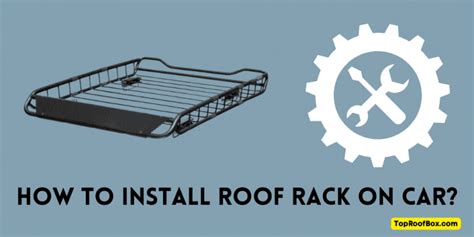
Roof racks, bike carriers, or even open windows at highway speeds create drag, making your engine work harder. Remove external attachments when not in use and keep windows closed on the highway to reduce aerodynamic resistance.
Strategic Fueling Habits
Beyond driving and maintenance, even your fueling routine can offer opportunities for savings.
Choose the Right Fuel Grade
Unless your car specifically requires premium fuel (check your owner’s manual), using a higher octane than recommended is a waste of money. It won’t give you better performance or fuel economy if your engine isn’t designed for it.
Shop Around for Better Gas Prices
Technology makes it easier than ever to find the cheapest gas in your area. Use apps like GasBuddy or Waze to compare prices and save several cents per gallon. Over a month, this can add up significantly.

Conclusion: Drive Smarter, Save More
Saving money on fuel doesn’t require drastic lifestyle changes or sacrificing convenience. By integrating these simple habits into your daily routine – from how you accelerate to how you maintain your tires – you can significantly reduce your monthly fuel bill. Not only will your wallet thank you, but your car will also benefit from a longer, healthier life. Start today, and watch those savings accumulate.