Understanding Octane: More Than Just a Number
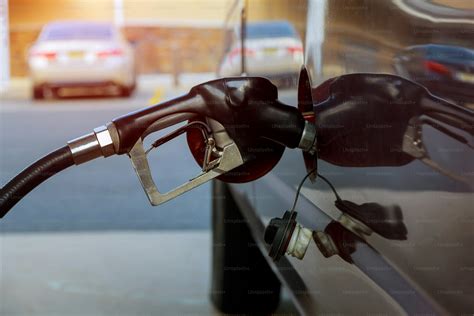
The choice between regular and premium fuel is a common dilemma faced by countless drivers at the pump. Many believe that opting for premium (higher octane) gasoline will make their car run better, cleaner, or even extend its life. However, the reality is more nuanced, and for most vehicles, pouring in premium fuel is simply throwing money away.
At its core, octane is a measure of a fuel’s resistance to pre-ignition, also known as “knocking” or “pinging.” This phenomenon occurs when the fuel-air mixture ignites prematurely in the engine’s cylinders, before the spark plug fires. Knocking can damage an engine over time, leading to reduced performance and costly repairs. Higher octane fuels are more stable and can withstand greater compression before igniting, preventing this premature combustion.
Does Your Car Need Premium Fuel? Check Your Owner’s Manual
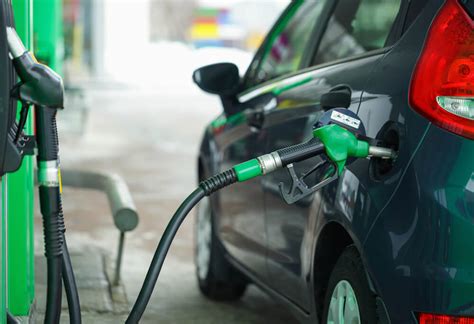
The single most important factor in determining which fuel your car needs is its engine design and, by extension, the manufacturer’s recommendation. Modern engines are meticulously engineered to operate efficiently with a specific octane rating. Most passenger cars on the road today are designed to run perfectly on regular unleaded gasoline, typically rated at 87 octane.
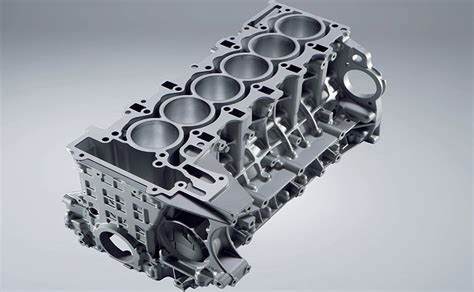
Engines that require premium fuel (typically 91 or 93 octane) usually have higher compression ratios or are equipped with forced induction systems like turbochargers or superchargers. These designs create more heat and pressure within the combustion chambers, making them more susceptible to knocking. For such engines, premium fuel is essential to prevent damage and ensure optimal performance. Using regular fuel in an engine designed for premium can lead to the engine’s computer adjusting timing to prevent knock, which can result in reduced horsepower and fuel efficiency.

The Myth of “Better” Performance for All Cars
A persistent myth is that premium fuel, being “better,” will automatically improve the performance or fuel economy of any car. For a vehicle designed to run on regular 87 octane, this simply isn’t true. Modern cars have sophisticated engine control units (ECUs) that can detect knocking. If you put premium fuel in a car that only requires regular, the ECU won’t suddenly “unlock” more power or efficiency because the engine isn’t designed to take advantage of the higher octane’s anti-knock properties. It will simply run as it normally would on regular, with the added expense being completely wasted.
Similarly, putting premium fuel into a regular-octane engine will not clean it better. All gasoline, regardless of octane rating, contains detergents to help keep the engine’s fuel system clean. The cleaning additives are not exclusive to premium grades.
The Wallet Impact: Saving Money Without Sacrificing Performance
From a financial perspective, the difference between regular and premium fuel can add up significantly over time. Premium fuel typically costs $0.20 to $0.70 more per gallon than regular. For someone filling up a 15-gallon tank once a week, that’s an extra $3 to $10.50 per week, or $156 to $546 annually. If your car doesn’t require premium, this is money that could be saved or better spent elsewhere.
The key takeaway is to always follow the manufacturer’s recommendation found in your vehicle’s owner’s manual or on the inside of your fuel filler door. If it says “Regular Unleaded Fuel Only” or “87 Octane Recommended,” then that’s exactly what you should use. If it says “Premium Unleaded Fuel Only” or “91+ Octane Required,” then you must use premium.

When “Recommended” vs. “Required” Matters
Some manuals might state “Premium Recommended” rather than “Premium Required.” In these cases, the engine is designed to run optimally on premium but can safely operate on regular with a slight, often unnoticeable, reduction in performance or fuel economy as the engine’s computer adjusts. For most drivers, the slight performance dip is not worth the continuous extra cost. However, if you notice knocking or consistently drive in demanding conditions (e.g., towing heavy loads, extreme heat), using premium might offer marginal benefits.
The Bottom Line: Trust Your Car’s Engineering
In conclusion, the decision between regular and premium fuel boils down to what your car was designed for. Most vehicles will run perfectly and efficiently on regular 87 octane gasoline, making premium fuel an unnecessary expense. Save your money and rest assured that you are providing your car with exactly what it needs by simply consulting your owner’s manual. Your car and your wallet will thank you.