Life, in its unpredictable nature, consistently presents us with challenges designed to test our resolve. Whether it’s the frustration of a fitness plateau where progress grinds to a halt, or the anxiety of a financial setback that threatens stability, these moments can feel insurmountable. However, the key to navigating such difficulties isn’t always found in external solutions, but rather in a powerful internal recalibration: a fundamental shift in mindset. This shift isn’t just about positive thinking; it’s about adopting a perspective that views obstacles not as dead ends, but as crucial stepping stones for growth.
Understanding the Common Thread: Why We Get Stuck
Both fitness plateaus and financial setbacks often share a common psychological root: a fixed mindset. This perspective can lead us to believe our abilities are static, that effort is futile if immediate results aren’t seen, or that certain situations are simply beyond our control. In fitness, this manifests as frustration when strength gains halt or weight loss stalls, leading to demotivation and eventually giving up. The individual might think, “I’m just not built for this,” or “This diet isn’t working for me.”
Similarly, in the financial realm, a fixed mindset can lead to despair after an unexpected expense, a job loss, or an investment gone awry. Thoughts like, “I’m always unlucky with money,” or “I’ll never get ahead,” can paralyze individuals from seeking new solutions or learning from their experiences. Recognizing this underlying psychological barrier is the first step toward dismantling it.

The Power of a Growth Mindset
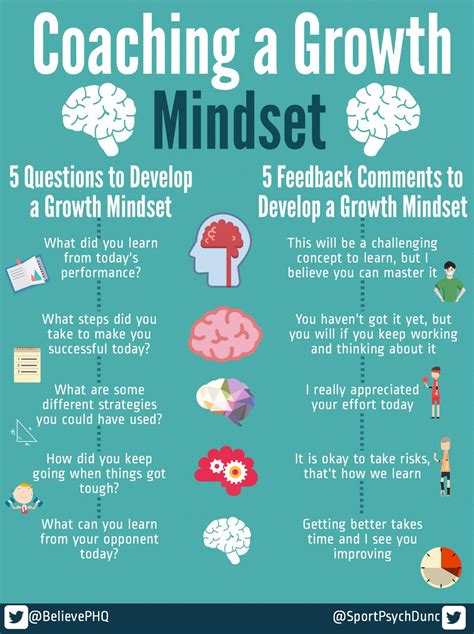
Enter the growth mindset, a concept popularized by Dr. Carol Dweck. It’s the belief that our abilities, intelligence, and even our character can be developed through dedication and hard work. Applied to fitness, this means seeing a plateau not as a sign of failure, but as an indicator that a new strategy is needed. It encourages experimenting with different training protocols, varying intensity, or seeking expert coaching. It transforms the question from “Why can’t I do this?” to “How can I learn and improve to overcome this?”
In the financial context, a growth mindset empowers individuals to view setbacks as invaluable learning opportunities. Instead of dwelling on a lost investment, it prompts analysis: What went wrong? What can be learned for future decisions? It fosters a proactive approach to financial literacy, encouraging continuous learning about budgeting, saving, investing, and diversifying income streams. This shift from “I am bad with money” to “I can learn to manage my money better” is profoundly transformative.

Embracing Resilience and Adaptability
Beyond a growth mindset, cultivating resilience is crucial. Resilience isn’t about avoiding failure; it’s about how quickly and effectively you bounce back from it. In fitness, this might mean adjusting your workout routine when injuries arise, finding alternative ways to stay active when travel prevents gym access, or simply showing up consistently even on days when motivation is low. It’s the commitment to the long game, understanding that progress is rarely linear.
Financially, resilience involves building robust safety nets like emergency funds, diversifying income sources, and being adaptable to changing economic landscapes. It’s about having the mental fortitude to stick to a budget even when temptations arise, to re-evaluate spending habits after a financial hit, and to pivot careers or develop new skills when old ones become obsolete. Adaptability ensures that when one door closes, you’re prepared to find or build another.

Actionable Strategies for Mindset Mastery
1. Self-Reflection and Learning
Take time to analyze what went wrong, without judgment. In fitness, track your progress and identify where you stalled. In finance, review your spending and income. What lessons can be extracted from these experiences? This objective analysis fuels future, smarter actions.
2. Goal Re-evaluation and Celebration of Small Wins
If a large goal seems overwhelming, break it down into smaller, manageable steps. Celebrate each minor achievement. This builds momentum and reinforces positive behavior, countering the demotivation that often accompanies plateaus.
3. Focus on Process, Not Just Outcome
Shift your attention from solely the end result to the consistent effort and disciplined actions that lead to it. Enjoy the journey of learning, training, and building financial stability. The process itself is the true measure of growth.
4. Seeking Support and Knowledge
Don’t be afraid to ask for help. A personal trainer, a financial advisor, a mentor, or even a supportive community can provide invaluable insights, accountability, and encouragement. Learning from others’ experiences and expertise can accelerate your progress.
5. Positive Self-Talk and Visualization
Challenge negative internal dialogues. Replace “I can’t” with “I will learn how.” Visualize yourself overcoming the plateau or setback, achieving your goals. This mental rehearsal can significantly impact your real-world performance.
Conclusion
The journey through life is bound to be punctuated by moments of stagnation and difficulty. However, by intentionally cultivating a growth mindset and building unwavering resilience, you equip yourself with the most powerful tools to not only overcome fitness plateaus and financial setbacks but to emerge stronger, wiser, and more capable than before. It’s a continuous process of learning, adapting, and believing in your capacity for endless improvement. The next challenge isn’t an ending; it’s an invitation to grow.