The Dual Dragons: Procrastination & Plateaus
It’s a universal struggle: the best intentions often falter when faced with the real-world challenges of managing finances or achieving fitness goals. You know you should save more, invest wisely, or simply pay your bills on time, yet you find yourself delaying, overwhelmed, or just… not doing it. Similarly, your fitness journey might hit a wall, despite consistent effort, leaving you feeling frustrated and unmotivated. These seemingly disparate challenges—financial procrastination and fitness plateaus—share a surprisingly common root: a flawed underlying mindset.
Both scenarios often stem from focusing too heavily on a distant outcome rather than the immediate process, leading to feelings of inadequacy, overwhelm, or a lack of connection to the desired future self. This often creates a vicious cycle of inaction and stagnation.

The Missing Link: Shifting from “Having” to “Being”
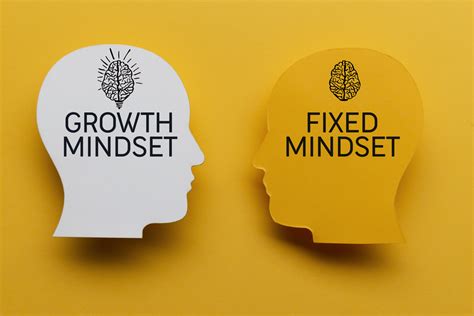
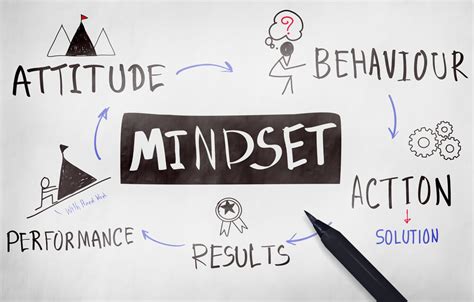
The pivotal mindset shift required to conquer these twin challenges lies in transitioning from an outcome-focused mindset (e.g., “I want to have a million dollars,” “I want to have a six-pack”) to an identity-based mindset (e.g., “I want to be a financially responsible person,” “I want to be an active, healthy individual”). This subtle but profound shift reorients your motivation from external results to internal identity, making the daily actions less about a chore and more about reinforcing who you believe yourself to be.
When you adopt an identity, your actions become consistent with that identity. You don’t just *do* things; you *are* the kind of person who does those things. This creates a powerful internal feedback loop that drives sustainable change.

Conquering Financial Procrastination Through Identity
For financial procrastination, this means moving beyond the daunting goal of “getting rich” and instead embracing the identity of “a savvy saver,” “a responsible investor,” or “someone who manages their money well.” Once you identify as such, the small, consistent actions required—automating savings, tracking expenses, reviewing your budget, or learning about investments—no longer feel like overwhelming tasks. They become natural expressions of your chosen identity.
- I am a saver: I automatically transfer a small amount to savings every payday.
- I am financially organized: I pay my bills immediately upon receipt or set up automatic payments.
- I am a smart investor: I spend 15 minutes each week learning about market trends or reviewing my portfolio.
Breaking Fitness Plateaus with a “Being” Mindset
Similarly, for fitness plateaus, the shift is from “I need to work out to lose weight” to “I am an active person who prioritizes my health.” When your actions align with this identity, exercise transitions from a means to an end to an integral part of your lifestyle. Plateaus become less about failure and more about opportunities to adapt and reaffirm your commitment to being an active individual.
- I am an active person: I incorporate movement into my day, even if it’s just a short walk.
- I am resilient: When a workout feels tough, I remind myself of my strength and push through, knowing it’s part of my journey.
- I am health-conscious: I prioritize nourishing my body and listening to its needs, which includes rest and recovery.

Embracing the Process, Not Just the Outcome
This identity-based approach naturally emphasizes the process over solely focusing on the outcome. The act of saving consistently, regardless of the amount, reinforces your identity as a saver. The act of showing up for a workout, even if it’s a lighter session, reinforces your identity as an active person. These small wins accumulate, building self-efficacy and making the desired outcomes inevitable over time.
Practical Steps to Implement the Shift:
- Define Your Desired Identity: Clearly articulate who you want to be in terms of your finances and fitness (e.g., “I am disciplined with my money,” “I am physically strong and energetic”).
- Prove It with Small Actions: Consistently take small steps that align with your new identity. These actions don’t need to be grand; they just need to be done.
- Reframe Setbacks: View a missed workout or an unplanned expense not as a failure of your identity, but as a minor deviation that provides an opportunity to recommit to who you are.
- Focus on Progress, Not Perfection: Celebrate the consistency of your actions rather than waiting for monumental results. Every small step forward builds momentum.

The Power of Self-Compassion and Consistency
Crucially, this mindset shift must be coupled with self-compassion. There will be days when you falter. Instead of self-recrimination, remind yourself of your chosen identity and gently guide yourself back on track. Consistency, not intensity, is the secret weapon. It’s the small, daily acts that compound over time to redefine who you are and what you’re capable of achieving.
By shifting your focus from what you want to have to who you want to be, you unlock a powerful intrinsic motivation that fuels consistent action. This identity-based, process-driven mindset is the enduring secret to conquering both financial procrastination and those frustrating fitness plateaus, transforming your aspirations into an undeniable reality.