Life is full of ups and downs. Whether you’re pushing for a new personal best in the gym or striving for financial stability, sooner or later, everyone encounters obstacles. Fitness plateaus can be frustrating, making you feel stuck despite your best efforts. Financial setbacks, from unexpected expenses to market downturns, can be daunting, threatening your sense of security. In both scenarios, the initial reaction might be discouragement, stress, or even a desire to give up. However, what truly determines recovery and continued progress isn’t the setback itself, but the mindset you adopt to navigate it.
Embracing a Growth Mindset Over a Fixed Mindset
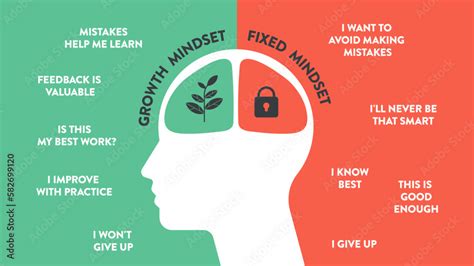
The cornerstone of resilience lies in embracing a growth mindset. Coined by psychologist Carol Dweck, a growth mindset is the belief that your abilities and intelligence can be developed through dedication and hard work. In contrast, a fixed mindset assumes these qualities are static. When facing a fitness plateau, someone with a fixed mindset might conclude, “I’m just not strong enough,” and give up. A growth mindset individual, however, would think, “What can I learn from this? How can I adjust my training or nutrition to overcome this?”
Similarly, after a financial setback, a fixed mindset might lead to feelings of helplessness or shame, believing that one is “bad with money.” A growth mindset encourages introspection: “What financial habits led to this? How can I learn from my mistakes and build a more robust financial strategy?” This perspective shifts the focus from inherent limitation to potential for improvement, turning obstacles into opportunities for growth.

The Power of Self-Compassion and Acceptance
While a growth mindset propels you forward, self-compassion is crucial for healing and sustaining motivation. It means treating yourself with the same kindness and understanding you would offer a good friend experiencing a similar difficulty. Fitness plateaus can trigger negative self-talk about body image or performance; financial setbacks can bring feelings of failure or inadequacy. Beating yourself up only exacerbates the stress and makes recovery harder.
Accepting the reality of the setback without judgment is the first step. This isn’t about resignation, but about acknowledging the present situation so you can move forward constructively. Practice mindfulness to observe your thoughts and feelings without getting swept away by them. Remind yourself that setbacks are a normal part of life and do not define your worth or potential.

Focusing on Process, Not Just Outcome
Often, our focus is heavily weighted towards the desired outcome – a specific weight lifted, a certain amount saved, or a particular body composition. When these outcomes aren’t met, or worse, regress, it can be devastating. A resilient mindset understands that consistent effort and a well-defined process are more important than immediate results. When a fitness plateau hits, instead of fixating on the lack of progress on the scale or bar, shift your attention to the consistency of your workouts, the quality of your nutrition, and your sleep patterns. Are you adhering to your plan?
For financial challenges, instead of despairing over the current balance, concentrate on your budgeting habits, your saving discipline, and your income-generating efforts. Celebrate small wins in your process – sticking to a budget for a week, completing all your workouts, learning a new skill. This process-oriented thinking builds sustainable habits and lessens the emotional impact of external outcomes, which are often beyond our complete control.

Adaptability and Strategic Problem-Solving
Resilience isn’t just about enduring; it’s about adapting. When a strategy isn’t yielding results, a resilient mindset prompts you to re-evaluate and adapt. This requires curiosity and a willingness to experiment. In fitness, this might mean changing your training split, trying a new exercise modality, adjusting caloric intake, or seeking advice from a coach. The key is to see the plateau not as a dead end, but as a signal that a different approach is needed.
In financial recovery, adaptability might involve exploring new income streams, refining your budget, seeking financial counseling, or learning about investment strategies. It means being proactive in finding solutions rather than passively waiting for circumstances to change. This mindset views problems as puzzles to be solved, rather than insurmountable barriers.

Cultivating Persistence and Patience
Finally, building resilience requires an unwavering commitment to persistence and patience. Progress, whether in fitness or finance, is rarely linear. There will be good days, bad days, and periods of stagnation. A resilient individual understands that consistency over time, even with small, incremental steps, eventually leads to significant progress. It means showing up even when you don’t feel like it, and continuing to work towards your goals despite the absence of immediate gratification.
Patience is the understanding that meaningful change takes time. Don’t expect instant fixes for deep-seated challenges. Celebrate the small victories, learn from the setbacks, and trust that with consistent effort and the right mindset, you will not only overcome your current challenges but emerge stronger and more capable than before.

Conclusion
Fitness plateaus and financial setbacks are inevitable parts of life’s journey. They test our limits and can shake our confidence. However, by consciously cultivating a mindset rooted in growth, self-compassion, process-orientation, adaptability, and unwavering persistence, we can transform these moments of frustration into powerful catalysts for personal development. It’s not about avoiding the hard times, but about building the mental fortitude to navigate them effectively, ensuring that every challenge becomes a stepping stone towards a more resilient and successful future.