Optimizing your performance and staying injury-free in the gym isn’t just about technique and programming; the right gear plays a crucial, often overlooked, role. For men serious about lifting, investing in specific equipment can make a world of difference, providing both a tangible performance boost and vital protection against common training mishaps. Understanding which items offer the best advantages is key to a safer, more effective workout.
Specialized Footwear: Building a Solid Foundation
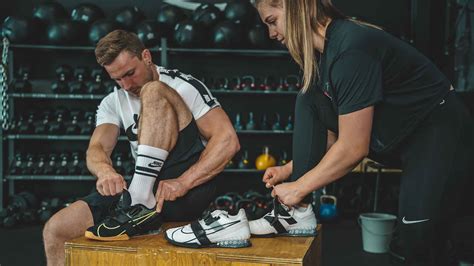
Your feet are the foundation of nearly every lift. Regular running shoes, with their cushioned and unstable soles, are detrimental to heavy lifting. They absorb force and compromise stability, which can lead to inefficient power transfer and increased risk of ankle rolls or knee strain.
Weightlifting shoes are designed with a raised, incompressible heel and a flat, stable sole. This design helps maintain an upright torso position during squats and Olympic lifts, allowing for greater depth and better activation of leg muscles. The firm sole ensures all force is directed into the ground, maximizing power output. For deadlifts, a flat, minimal sole shoe (like Converse or specific deadlift slippers) reduces the range of motion and keeps you closer to the floor, improving leverage.
The Power of a Weightlifting Belt
A weightlifting belt isn’t just for showing off; it’s a critical tool for core stability and intra-abdominal pressure. When properly used, a belt provides a rigid wall for your abdominal muscles to push against, creating increased intra-abdominal pressure. This pressure acts like an internal airbag, stabilizing the spine during heavy compound movements like squats and deadlifts.
This enhanced stability not only allows you to lift heavier by creating a more rigid torso but also significantly reduces the risk of lower back injuries by preventing excessive spinal flexion or extension. It’s a tool for performance and protection, particularly for lifts exceeding 80% of your one-rep maximum.
Wrist Wraps and Knee Sleeves: Your Joint Protectors
Joint support is paramount for longevity in lifting. Wrist wraps provide crucial stability to the wrist joint during pushing movements like bench press, overhead press, and heavy squats (where the wrist supports the bar). They prevent hyperextension, reduce strain on the wrist ligaments, and allow lifters to maintain a stronger, more consistent grip on the bar, which can translate to better power transfer and fewer missed reps due to wrist pain.
Knee sleeves offer compression, warmth, and proprioceptive feedback to the knee joint. The compression helps reduce swelling and pain during and after workouts, while the warmth increases blood flow and joint lubrication, making the knees more pliable and less prone to injury. While they don’t prevent the knee from moving through its full range of motion, they provide a ‘squeezed’ feeling that enhances confidence and can offer a slight ‘bounce’ out of the bottom of a squat, potentially boosting performance.

Performance Apparel: More Than Just Style
While often overlooked, the right apparel contributes to comfort, hygiene, and even performance. Moisture-wicking fabrics are essential for keeping you dry and comfortable, preventing chafing and bacterial growth, especially during intense sessions. This allows you to focus solely on your lift without distractions from discomfort.
Compression wear, such as shirts, shorts, or tights, offers several benefits. It can improve blood circulation, reduce muscle oscillation during movement (which can minimize fatigue), and speed up recovery by helping to clear metabolic waste products from the muscles. The supportive feel can also enhance proprioception, giving you a better sense of your body’s position during complex movements.
Grips and Straps: Maximizing Your Hold
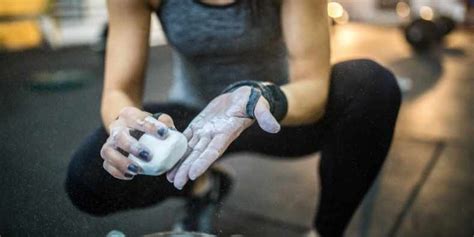
Grip strength is often the limiting factor in many pulling exercises. Lifting straps are invaluable for exercises like deadlifts, rows, and pull-ups when your grip fatigues before the target muscles. They wrap around the bar and your wrist, creating a stronger connection that allows you to lift heavier weights for more reps, focusing on back and leg muscles without worrying about your hands giving out. This directly boosts performance and helps stimulate greater muscle growth.
While less common for heavy lifting, gym gloves can offer protection against calluses and provide a better grip surface, particularly on equipment that might be slippery with sweat. However, for serious powerlifting or Olympic lifting, straps are generally preferred over gloves for maximal pulling strength.
Making the Right Choice
When selecting gym gear, prioritize fit, quality, and your specific lifting needs. A belt should be snug, not uncomfortable. Knee sleeves should be tight but not restrict circulation. Footwear should provide ultimate stability. Always choose gear from reputable brands known for their durability and ergonomic design. Remember, gear is an aid, not a crutch; proper form and progressive overload remain the cornerstones of effective training.
Conclusion
The right gym gear isn’t a luxury; it’s an investment in your performance and long-term health as a lifter. From specialized shoes that provide a stable platform to supportive wraps and belts that protect your joints and spine, each piece of equipment plays a vital role. By strategically incorporating these items into your training arsenal, men can not only break through plateaus and lift heavier but also significantly reduce the risk of injuries, ensuring a sustainable and rewarding fitness journey.