In an era of fluctuating fuel prices, every drop of gasoline counts. While vehicle technology plays a role in fuel economy, perhaps the biggest determinant of how much you spend at the pump is sitting right behind the steering wheel: you. Many common driving habits, often done unconsciously, can dramatically increase fuel consumption and hit your wallet harder than you might realize. Understanding these habits is the first step toward becoming a more fuel-efficient driver.
Aggressive Driving: Speeding, Rapid Acceleration, and Hard Braking
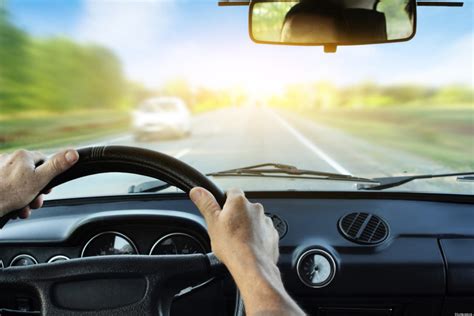
This trifecta of aggressive driving is arguably the biggest culprit in poor fuel economy. When you accelerate rapidly, your engine demands a large amount of fuel to generate the necessary power quickly. Similarly, speeding not only increases drag but also pushes your engine to work harder, consuming more fuel. The faster you go, the more fuel you use. Hard braking, often a consequence of rapid acceleration or tailgating, wastes the kinetic energy that your vehicle already expended fuel to create. Instead of gradually slowing down, you’re essentially throwing away energy, only to use more fuel to accelerate again.

Excessive Idling: Letting Your Engine Run Unnecessarily
Many drivers are guilty of letting their car idle for extended periods – whether waiting in a drive-thru, picking up kids, or just warming up the engine. While modern cars don’t need extensive warm-up times, idling consumes fuel without moving the vehicle. For every two minutes your car idles, it uses roughly the same amount of fuel as it would to travel one mile. If you anticipate being stationary for more than 10 seconds (except in traffic), it’s often more fuel-efficient to turn off your engine and restart it when ready to go.
Ignoring Tire Pressure and Vehicle Maintenance
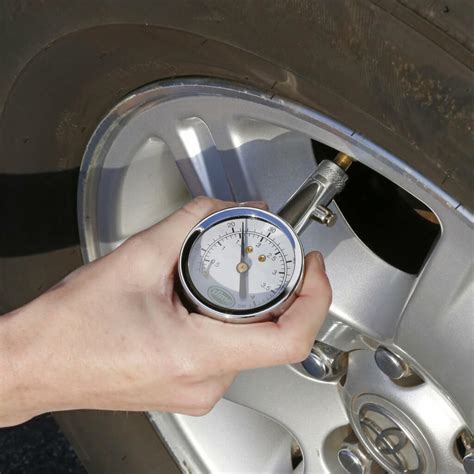
Underinflated tires are a silent fuel killer. When your tires aren’t properly inflated, they increase rolling resistance, forcing your engine to work harder to move the car. This can reduce fuel efficiency by up to 3% for every 1 PSI below the recommended pressure. Beyond tires, neglected vehicle maintenance, such as dirty air filters, worn spark plugs, or overdue oil changes, can significantly hinder engine performance and fuel economy. A well-maintained vehicle runs more efficiently.
Carrying Excessive Weight and Using Roof Racks
The heavier your car is, the more fuel it needs to move. Unnecessary items stored in your trunk, back seat, or a permanent roof rack can add significant weight. Every 100 pounds of extra weight can decrease your car’s fuel efficiency by about 1-2%. Roof racks, even when empty, create aerodynamic drag, forcing your engine to work harder to push through the air. If you’re not using it, take it off.

Misusing Air Conditioning and Windows
While often necessary, excessive use of air conditioning can notably impact fuel efficiency, especially at lower speeds. The AC compressor puts an extra load on the engine. At higher speeds (above 40-45 mph), open windows can create significant aerodynamic drag, which can consume more fuel than running the AC. The optimal balance depends on your speed; generally, AC is more efficient at high speeds, while open windows are better at low speeds.
Constant Speed Fluctuations and Inconsistent Driving
Maintaining a steady speed is crucial for fuel efficiency. Constantly varying your speed, even if not aggressively, means your engine is continually adjusting its power output, which is less efficient than holding a consistent RPM. Using cruise control on highways can help maintain a steady speed and significantly improve fuel economy.
The Road to Better Fuel Economy
While some fuel consumption is unavoidable, adopting smarter driving habits can lead to substantial savings at the pump. By driving smoothly, maintaining your vehicle, and being mindful of extra weight and accessories, you not only improve your car’s fuel efficiency but also reduce wear and tear, making your vehicle last longer. Small changes in your daily routine can add up to significant savings and a greener driving footprint over time.