Fueling Men for Peak Performance and Health
In today’s demanding world, many men seek ways to optimize their daily performance, sustain high energy levels, and maintain sharp focus. Beyond immediate gains, there’s a growing awareness of the long-term financial burden associated with preventable health issues. The good news? A powerful and often overlooked solution lies within our daily diet. By strategically choosing what we eat, men can unlock a cascade of benefits, from enhanced vitality to significant savings on medical costs.

The Foundational Pillars: Whole Foods and Balanced Macronutrients
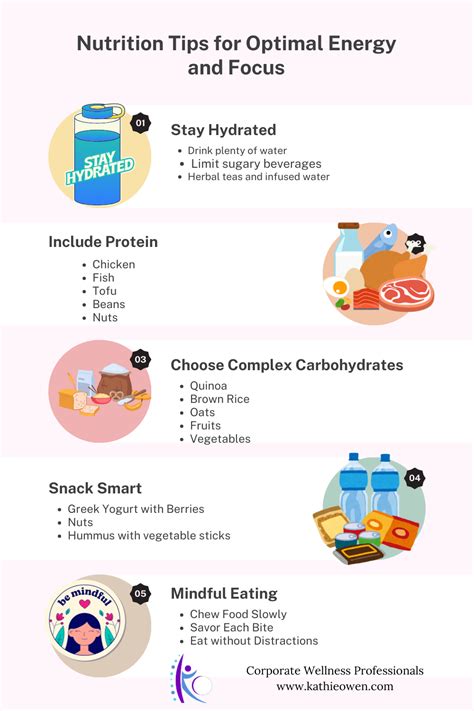
The cornerstone of any effective dietary strategy is a focus on whole, unprocessed foods. This means prioritizing lean proteins (chicken, fish, legumes), complex carbohydrates (oats, brown rice, sweet potatoes), healthy fats (avocados, nuts, olive oil), and an abundance of fruits and vegetables. These foods provide sustained energy, essential vitamins, minerals, and fiber, all crucial for optimal bodily function.
Balanced macronutrients ensure a steady supply of glucose for energy without the disruptive spikes and crashes associated with refined sugars and processed foods. Protein aids muscle maintenance and satiety, while healthy fats support hormone production and nutrient absorption.
Boosting Energy and Stamina Through Smart Choices
To combat fatigue and maintain consistent energy throughout the day, men should lean into complex carbohydrates, which release glucose slowly into the bloodstream. Pairing these with lean protein further stabilizes blood sugar. Nutrient-dense foods rich in B vitamins (found in whole grains, meat, and leafy greens) are vital for energy metabolism, converting food into usable fuel. Iron, often found in red meat, spinach, and lentils, is critical for oxygen transport and preventing fatigue.

Sharpening Focus and Cognitive Acuity
Mental clarity and focus are not solely dependent on stimulants; they are profoundly influenced by diet. Omega-3 fatty acids, abundant in fatty fish like salmon, walnuts, and flaxseeds, are crucial for brain health, supporting neuronal function and reducing inflammation. Antioxidants, plentiful in berries, dark leafy greens, and dark chocolate, protect brain cells from oxidative stress. Adequate hydration, often overlooked, is also paramount, as even mild dehydration can impair concentration and mood.
Preventative Nutrition: A Pathway to Reduced Medical Costs
Perhaps one of the most compelling benefits of a sound dietary strategy is its profound impact on long-term health and, consequently, medical expenses. By reducing the intake of processed foods, unhealthy fats, and excessive sugars, men can significantly lower their risk of developing chronic conditions such as type 2 diabetes, heart disease, certain cancers, and obesity. These conditions often lead to lifelong medication, frequent doctor visits, and potentially costly procedures.

Investing in nutrient-rich foods today acts as preventative medicine, potentially saving thousands in healthcare costs down the line. A healthy diet supports a robust immune system, minimizing sick days and the need for over-the-counter remedies or prescriptions.
Practical Strategies for Implementation
Adopting this diet doesn’t require drastic overhauls but rather consistent, mindful choices:
- Meal Prepping: Plan and prepare meals in advance to ensure healthy options are always available.
- Smart Snacking: Choose nuts, seeds, fruits, or Greek yogurt over processed snacks.
- Hydration: Carry a water bottle and sip throughout the day.
- Limit Processed Foods: Gradually reduce intake of sugary drinks, fast food, and highly processed snacks.
- Read Labels: Be aware of hidden sugars, unhealthy fats, and excessive sodium.

Beyond the Plate: Integrating Lifestyle Factors
While diet is foundational, its benefits are amplified when integrated with other healthy lifestyle choices. Regular physical activity, adequate sleep (7-9 hours per night), and effective stress management techniques (like meditation or hobbies) all play critical roles in boosting energy, improving focus, and bolstering overall health. Together, these elements create a holistic approach to well-being that delivers sustainable results.

Conclusion: The Power of Proactive Dietary Choices
Embracing a whole-food, balanced dietary strategy is more than just eating; it’s an investment in a more energetic, focused, and financially secure future. By prioritizing nutrient-dense foods, men can not only experience immediate improvements in their daily vitality and cognitive function but also significantly reduce their risk of chronic diseases, leading to substantial long-term medical cost savings. It’s a powerful, actionable strategy for men seeking to truly fuel their potential.