Fueling Peak Performance: Beyond the Morning Buzz
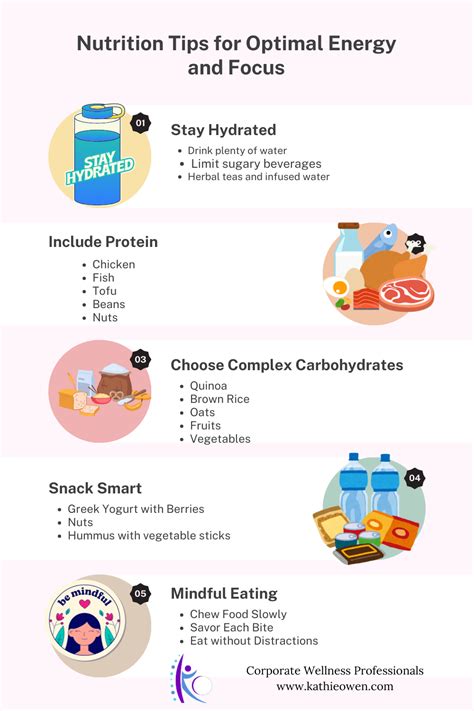
For many men, the quest for sustained energy and unwavering focus is a daily challenge, often thwarted by the inevitable afternoon crash. This isn’t just about feeling tired; it impacts productivity, mood, and overall well-being. The good news? Your diet is a powerful tool, capable of providing the consistent fuel your body and brain need to thrive from morning to night, without the sharp peaks and valleys.
Forget quick fixes and sugary boosts. True, lasting energy comes from a well-orchestrated symphony of macronutrients and micronutrients that stabilize blood sugar, support neurological function, and optimize cellular energy production. Let’s delve into the dietary components that are crucial for male energy and focus.
The Macronutrient Matrix: Your Energy Foundation
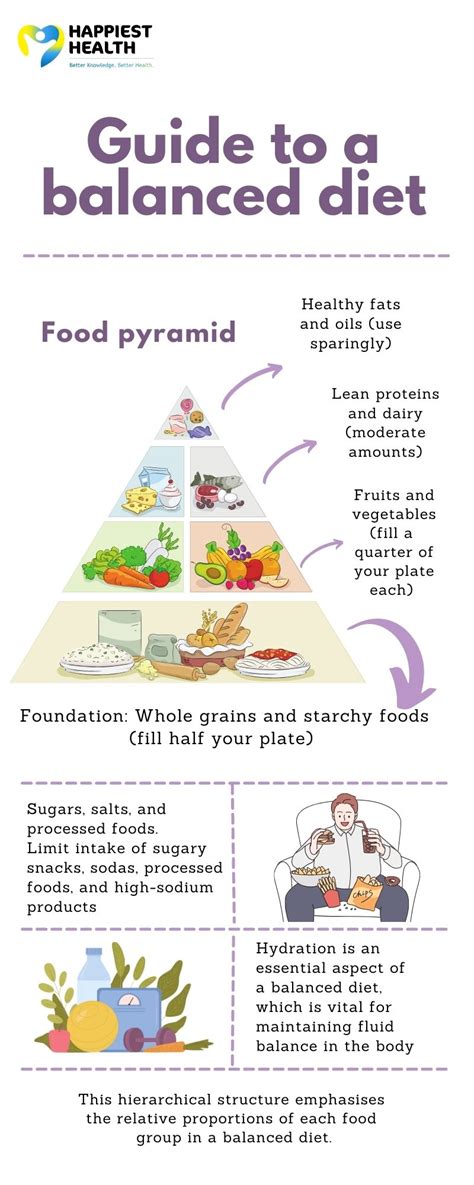
1. Complex Carbohydrates: The Long-Burn Fuel
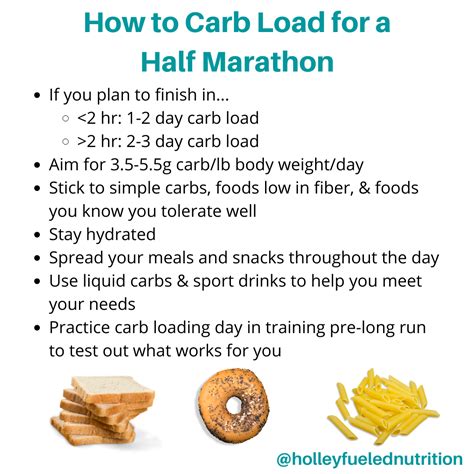
Unlike simple sugars that offer a fleeting spike and then a crash, complex carbohydrates are digested slowly, providing a steady release of glucose into the bloodstream. This stable energy supply is critical for both physical stamina and cognitive function, preventing brain fog and irritability.
- Whole Grains: Oats, quinoa, brown rice, whole-wheat bread.
- Starchy Vegetables: Sweet potatoes, squash, corn.
- Legumes: Lentils, chickpeas, black beans.
2. Lean Proteins: Sustained Satiety & Muscle Support
Protein plays a vital role in slowing down carbohydrate absorption, further stabilizing blood sugar levels. It also provides amino acids essential for neurotransmitter production, which are key for focus and mood regulation. Furthermore, protein aids in muscle maintenance and repair, contributing to overall physical energy.
- Poultry & Fish: Chicken breast, turkey, salmon, cod.
- Eggs: A complete protein source, also rich in choline for brain health.
- Lean Beef: Grass-fed options provide iron and B vitamins.
- Plant-Based: Tofu, tempeh, lentils, beans.

3. Healthy Fats: Brain Power & Hormonal Balance
Often misunderstood, healthy fats are crucial for brain health, hormone production (including testosterone), and sustained energy. They provide a dense, slow-burning energy source and are essential for absorbing fat-soluble vitamins.
- Monounsaturated Fats: Avocados, olive oil, nuts (almonds, cashews).
- Polyunsaturated Fats: Walnuts, flaxseeds, chia seeds, fatty fish (omega-3s).
- Saturated Fats (in moderation): From whole, unprocessed foods like coconut oil, grass-fed butter.
Micronutrients & Hydration: The Unsung Heroes
B Vitamins: The Energy Catalysts
B vitamins (B1, B2, B3, B5, B6, B7, B9, B12) are indispensable for converting food into energy at a cellular level. Deficiencies can lead to fatigue, low mood, and poor concentration. Sources include whole grains, leafy greens, meat, fish, eggs, and legumes.
Magnesium: Muscle & Mind Relaxer
Magnesium is involved in over 300 biochemical reactions in the body, including energy production and nerve function. Adequate magnesium intake can reduce fatigue and improve sleep quality, which directly impacts daytime energy and focus. Find it in dark leafy greens, nuts, seeds, legumes, and whole grains.
Omega-3 Fatty Acids: Brain Fuel Extraordinaire
These essential fats, particularly DHA, are vital for brain structure and function, enhancing memory, mood, and cognitive performance. Rich sources include fatty fish (salmon, mackerel, sardines), flaxseeds, chia seeds, and walnuts.
Iron: Oxygen Carrier
Iron is crucial for transporting oxygen throughout the body. Low iron levels can result in fatigue and lethargy. Red meat, poultry, fish, spinach, and lentils are good sources. Vitamin C helps with iron absorption.
Hydration: The Fundamental Fuel
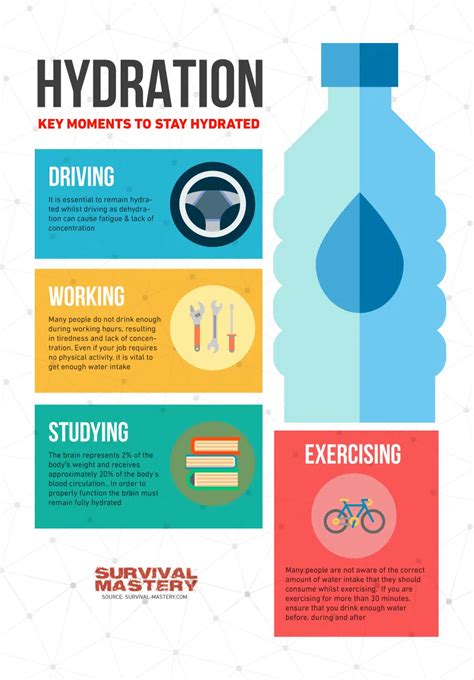
Even mild dehydration can significantly impair cognitive function, leading to fatigue, reduced concentration, and headaches. Make water your primary beverage throughout the day. Aim for at least 8 glasses, and more if you’re active.
Strategic Eating for Sustained Vigor
Beyond what you eat, when and how you eat also play a critical role in maintaining energy and focus:
- Regular Meals & Snacks: Eating every 3-4 hours helps keep blood sugar stable. Don’t skip breakfast!
- Balance Your Plates: Ensure each meal contains a mix of complex carbs, lean protein, and healthy fats.
- Mindful Snacking: Opt for nutrient-dense snacks like a handful of almonds, an apple with peanut butter, or Greek yogurt.
- Limit Processed Foods & Sugars: These contribute to rapid energy spikes followed by sharp crashes.

Putting It All Together: A Sample Day
- Breakfast: Oatmeal with berries, nuts, and a scoop of protein powder or scrambled eggs with whole-wheat toast and avocado.
- Lunch: Large salad with grilled chicken or salmon, mixed greens, chickpeas, and an olive oil vinaigrette.
- Dinner: Baked cod with quinoa and roasted sweet potatoes and broccoli.
- Snacks: Greek yogurt, apple slices with almond butter, a handful of walnuts.

Conclusion: Your Diet, Your Energy Source
By consciously choosing foods that provide sustained energy, support brain function, and stabilize blood sugar, men can effectively boost their energy levels and sharpen their focus, banishing the afternoon crash for good. Prioritize whole, unprocessed foods, balance your macronutrients, stay hydrated, and pay attention to key micronutrients. This holistic approach to nutrition isn’t just about feeling better; it’s about optimizing your potential every single day.