Unlock Fuel Savings: Master Daily Habits for Better MPG
In an era of fluctuating fuel prices, every drop of gasoline counts. While some factors like vehicle type are beyond our immediate control, a significant portion of your car’s fuel efficiency is directly influenced by your daily habits. By adopting a few simple yet powerful routines, you can dramatically boost your miles per gallon (MPG) and put a serious dent in your monthly fuel expenses.

Smarter Driving Techniques for Immediate Impact
The way you drive is perhaps the biggest determinant of your car’s fuel consumption. Aggressive driving habits are notorious fuel guzzlers, whereas a smoother approach can save you a bundle.
- Smooth Acceleration and Braking: Avoid jackrabbit starts and sudden stops. Gradually accelerate and anticipate traffic lights or slowdowns to coast more often. Hard braking wastes the momentum you just paid for with fuel.
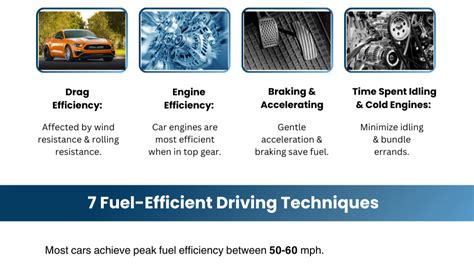
- Maintain a Steady Speed: Erratic speeds force your engine to constantly adjust, burning more fuel. Use cruise control on highways to maintain a consistent speed, ideally within the eco-friendly zone of your vehicle (typically 45-60 mph).
- Observe Speed Limits: Fuel economy tends to drop significantly at speeds above 50-60 mph. Adhering to speed limits not only ensures safety but also keeps your engine running at its most efficient RPMs.
- Anticipate Traffic: Look ahead to spot potential slowdowns, red lights, or traffic congestion. This allows you to ease off the accelerator and coast, rather than having to brake suddenly and then re-accelerate.
- Minimize Idling: If you’re going to be stopped for more than 30 seconds (excluding traffic lights), it’s generally more fuel-efficient to turn off your engine and restart it. Modern engines are designed for frequent starts.
Crucial Vehicle Maintenance for Peak Efficiency
A well-maintained vehicle is a fuel-efficient vehicle. Neglecting basic upkeep can lead to your engine working harder and consuming more fuel than necessary.
- Check Tire Pressure Regularly: Under-inflated tires increase rolling resistance, forcing your engine to work harder. Check your tire pressure at least once a month (and before long trips) against the manufacturer’s recommended PSI, usually found on a sticker inside your driver’s side door jamb.
- Keep Up with Oil Changes: Fresh, clean oil reduces friction in the engine, allowing it to run more smoothly and efficiently. Follow your vehicle’s recommended oil change schedule.
- Replace Air Filters: A clogged air filter restricts airflow to the engine, making it work harder to draw in air and resulting in reduced fuel economy. A clean air filter can improve MPG by up to 10%.
- Regular Engine Tune-Ups: Ensure spark plugs, oxygen sensors, and other engine components are in good working order. Faulty sensors or worn spark plugs can significantly impact fuel efficiency.
- Reduce Excess Weight: Remove unnecessary items from your trunk or back seat. Every extra pound your car carries requires more energy (and thus more fuel) to move.

Smart Planning and Other Habits to Save at the Pump
Beyond driving and maintenance, how you plan your trips and manage your car’s accessories also plays a role.
- Combine Errands: Group multiple errands into a single trip. A cold engine uses more fuel during the first few miles, so consolidating trips minimizes these inefficient starts.
- Plan Your Routes: Use GPS or mapping apps to find the most efficient route, avoiding heavy traffic areas, steep hills, and unnecessary detours.
- Limit Air Conditioner Use: Your AC puts a significant load on the engine, especially at lower speeds. At highway speeds, opening windows might create more drag than the AC consumes, but around town, consider rolling down windows only slightly or using the fan setting.
- Avoid Roof Racks When Not Needed: Roof racks and cargo carriers create significant aerodynamic drag, increasing fuel consumption even when empty. Remove them when not in use.

Conclusion: Small Changes, Big Savings
Boosting your MPG and cutting your monthly fuel budget isn’t about grand gestures; it’s about consistency in small, smart habits. By driving more smoothly, diligently maintaining your vehicle, and planning your trips strategically, you’ll not only save money but also contribute to a longer lifespan for your car and a healthier environment. Start incorporating these practices today and watch your fuel gauge (and wallet) thank you.