Mastering Fuel Economy: Habits and Modifications That Work
For many men, the quest for better gas mileage isn’t just about saving money; it’s about optimizing performance, understanding their vehicle, and taking pride in efficient operation. While countless myths and fads circulate, certain driving habits and car modifications genuinely make a difference at the pump. Let’s separate fact from fiction and pinpoint what truly boosts your vehicle’s fuel efficiency.

The Power of Driving Habits
The single most significant factor in your vehicle’s fuel consumption is often the person behind the wheel. Adopting a few mindful driving habits can dramatically improve your gas mileage, often without any monetary investment.
- Smooth Acceleration and Braking: Aggressive driving – rapid acceleration and hard braking – is a gas guzzler. Accelerate gently, anticipating traffic lights and stops. Coasting to a stop rather than slamming on the brakes saves fuel, reduces wear and tear, and contributes to a smoother ride.
- Maintain Consistent Speeds: Fluctuating speeds constantly forces your engine to work harder. On highways, utilize cruise control to maintain a steady speed, ideally within the posted limits. Driving at 55-65 mph is generally the most fuel-efficient range for most vehicles. Every 5 mph over 60 mph is like paying an additional $0.30 per gallon.
- Anticipate Traffic: Look ahead, not just at the car in front of you. By anticipating traffic flow, you can avoid unnecessary stops and starts, keeping your momentum and saving fuel.
- Avoid Excessive Idling: If you’re going to be stopped for more than 30 seconds (excluding traffic), it’s often more fuel-efficient to turn off your engine and restart it. Modern cars consume surprisingly little fuel during startup.
- Proper Gear Selection: For manual transmission drivers, shifting into higher gears sooner (without lugging the engine) keeps RPMs lower, which conserves fuel. Automatic transmissions often have ‘eco’ modes that optimize shift points for efficiency.
Car Modifications and Maintenance for Enhanced Efficiency
Beyond driving style, how you maintain and, to a lesser extent, modify your car can also play a crucial role in its fuel economy. These are often one-time changes or regular tasks that yield long-term benefits.
Essential Maintenance Practices
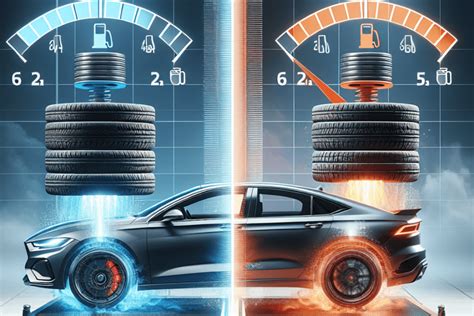
- Proper Tire Inflation: This is arguably the easiest and most overlooked fuel-saving measure. Underinflated tires increase rolling resistance, forcing your engine to work harder. Check your tire pressure monthly, referring to the sticker on your driver’s side door jamb for the recommended PSI.
- Regular Engine Tune-ups: A well-tuned engine runs more efficiently. Replace spark plugs, air filters, and fuel filters according to your manufacturer’s recommendations. A clogged air filter, for example, can reduce your mileage by up to 10%.
- Use the Recommended Oil Grade: Using the correct viscosity motor oil reduces engine friction, which translates to better fuel economy. Refer to your owner’s manual.

Strategic Car Modifications
While some performance mods can hurt fuel economy, others can subtly improve it. The key is to choose modifications that reduce drag, weight, or optimize engine parameters for efficiency rather than raw power.
- Reduce Excess Weight: Every extra pound your car carries requires more fuel to move. Clean out your trunk, remove unnecessary roof racks or cargo carriers when not in use, and avoid carrying heavy items that aren’t essential.
- Aerodynamic Improvements: Aftermarket spoilers or body kits rarely improve fuel economy and often increase drag. However, removing roof racks, ensuring windows are closed at highway speeds, and keeping your vehicle clean can marginally improve aerodynamics.
- Lightweight Wheels and Tires: Reducing unsprung weight (the weight of components not supported by the suspension, like wheels and tires) can lead to a slight improvement in fuel economy and handling.
- Engine Tuning (Economy Remaps): Some professional tuners offer ECU (Engine Control Unit) remapping specifically designed to optimize fuel efficiency rather than horsepower. This is often more effective for turbocharged engines but can be costly and should only be performed by reputable specialists.
What Doesn’t Work (or Makes Little Difference)
Be wary of products claiming miraculous fuel savings, such as fuel line magnets, fuel additives (unless specifically recommended by your manufacturer for a particular issue), or aftermarket devices that plug into your OBD-II port without proper scientific backing. Most of these offer negligible, if any, real-world benefits.
Conclusion: A Holistic Approach to Fuel Savings
Boosting gas mileage isn’t about one magic bullet; it’s about a combination of mindful driving habits and diligent vehicle maintenance. By adopting smoother driving techniques, ensuring your tires are properly inflated, keeping your engine well-tuned, and shedding unnecessary weight, you can significantly improve your car’s fuel efficiency. These practices not only save you money but also reduce your environmental footprint and extend the life of your vehicle. Drive smart, maintain well, and enjoy the benefits at the pump.