Achieving a Lean, Muscular Physique: The Dual Goal
Many men share a common fitness aspiration: to shed stubborn belly fat while simultaneously building lean muscle mass. While these two goals might seem contradictory—fat loss requiring a calorie deficit and muscle gain often associated with a surplus—it is entirely achievable with a precise and consistent approach. This guide provides specific, actionable tips tailored to help you navigate this transformative journey.

The Nutritional Blueprint: Fueling Fat Loss and Muscle Growth
Your diet is paramount. You simply cannot out-train a poor diet when aiming for body recomposition. Precision in nutrition is the cornerstone of your success.
- Create a Modest Calorie Deficit: To lose fat, you need to consume fewer calories than you burn. However, for muscle gain, this deficit should be modest (e.g., 250-500 calories below maintenance) to preserve muscle mass. Use an online TDEE calculator as a starting point, then adjust based on your progress.
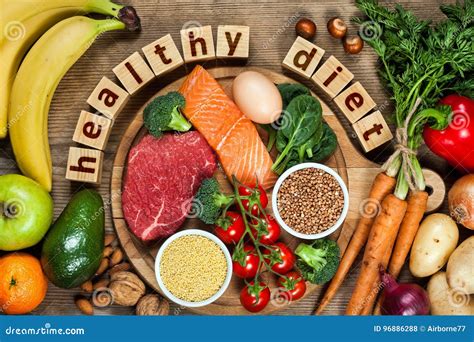
- Prioritize Protein Intake: Protein is crucial for muscle repair and growth, and it also helps with satiety. Aim for 1.6-2.2 grams of protein per kilogram of body weight (or 0.7-1 gram per pound). Sources include lean meats, poultry, fish, eggs, dairy, and plant-based proteins.
- Embrace Complex Carbohydrates and Healthy Fats: Don’t cut carbs entirely, as they fuel your workouts. Focus on complex carbs like oats, brown rice, quinoa, and vegetables. Healthy fats (avocado, nuts, seeds, olive oil) are vital for hormone production and overall health. Balance your macros, aiming for roughly 30-40% protein, 30-40% carbohydrates, and 20-30% fats.
- Stay Hydrated: Water is essential for metabolic processes, nutrient transport, and can help manage hunger. Aim for 3-4 liters per day.
- Limit Processed Foods, Sugary Drinks, and Alcohol: These items contribute empty calories and hinder fat loss. Focus on whole, unprocessed foods.
Strategic Training: Building Strength and Burning Calories
Effective training combines resistance work for muscle building with targeted cardio for fat burning, without overdoing either.
- Focus on Compound Lifts: Exercises like squats, deadlifts, bench presses, overhead presses, and rows work multiple muscle groups simultaneously, leading to greater muscle activation and calorie expenditure. Aim for 3-4 full-body or upper/lower split workouts per week.
- Implement Progressive Overload: To stimulate muscle growth, you must continually challenge your muscles. This means gradually increasing the weight, reps, sets, or decreasing rest times over time. Keep a training log to track your progress.
- Incorporate High-Intensity Interval Training (HIIT): Short, intense bursts of exercise followed by brief recovery periods can be highly effective for burning fat and improving cardiovascular fitness. Limit HIIT to 1-2 sessions per week to avoid overtraining.
- Consider Moderate Cardio: While HIIT is great, 2-3 sessions of steady-state cardio (30-45 minutes) can also aid fat loss and recovery without significantly impacting muscle gains.
- Prioritize Proper Form: Incorrect form can lead to injury and reduce the effectiveness of your workouts. If unsure, seek guidance from a qualified trainer.

Lifestyle Factors for Optimal Results
Beyond the gym and kitchen, daily habits play a significant role in your success.
- Ensure Adequate Sleep: Aim for 7-9 hours of quality sleep per night. Sleep deprivation can disrupt hormone levels (increasing cortisol and ghrelin, decreasing leptin and testosterone), hindering both fat loss and muscle recovery.
- Manage Stress: Chronic stress elevates cortisol, which can promote belly fat storage. Incorporate stress-reducing activities like meditation, yoga, or hobbies.
- Stay Consistent and Patient: Body recomposition is a marathon, not a sprint. Consistency in your diet, training, and lifestyle habits is key. Celebrate small victories and don’t get discouraged by plateaus.
- Track Your Progress: Regularly take measurements (waist circumference, body weight), progress photos, and monitor strength gains in the gym. This provides valuable feedback and keeps you motivated.

Conclusion: The Path to Transformation
Losing belly fat and gaining muscle simultaneously requires a disciplined, multi-faceted approach. By meticulously managing your nutrition, executing a smart training plan, and optimizing your lifestyle, you can effectively sculpt a leaner, stronger physique. Remember, consistency, patience, and a commitment to these actionable strategies are your most powerful tools on this transformative journey.