Driving Smarter: Habits That Save Fuel
In an era of fluctuating gas prices, maximizing your vehicle’s fuel efficiency isn’t just a smart move for your wallet; it’s also better for the environment. Implementing a few proven strategies, from altering your driving habits to ensuring your car is in top condition, can lead to substantial savings over time. Let’s dive into the most effective ways to make your fuel go further.
One of the most impactful changes you can make involves your driving style. Aggressive driving—characterized by rapid acceleration, hard braking, and speeding—is a major fuel guzzler. Smoother driving habits can significantly improve your mileage.

Embrace Smooth Acceleration and Braking
Imagine your accelerator pedal as an eggshell. Gentle pressure, gradually increasing speed, and anticipating stops to coast rather than braking sharply can dramatically reduce fuel consumption. Rapid acceleration uses more fuel than gradual acceleration, and hard braking wastes the momentum you’ve already paid for in gas.
Maintain a Steady Speed and Use Cruise Control
Varying your speed constantly on highways can decrease efficiency. Wherever safe and appropriate, using cruise control helps maintain a consistent speed, often at the optimal RPM for your engine, leading to better mileage. Avoid driving at excessively high speeds, as aerodynamic drag increases significantly the faster you go, causing your engine to work harder.
Minimize Idling
Idling burns fuel without moving your car anywhere. If you anticipate being stopped for more than 30 seconds (excluding traffic stops), it’s often more fuel-efficient to turn off your engine and restart it when you’re ready to go. Modern cars are designed to handle frequent starts.
Vehicle Maintenance: The Foundation of Fuel Economy
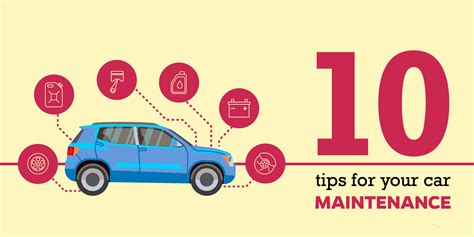
Proper vehicle maintenance is not just about reliability; it’s crucial for optimal fuel efficiency. Neglecting simple maintenance tasks can lead to your car working harder and consuming more fuel than necessary.
Check Your Tire Pressure Regularly
Under-inflated tires increase rolling resistance, forcing your engine to use more fuel to maintain speed. Check your tire pressure at least once a month and before long trips, always inflating them to the manufacturer’s recommended PSI, usually found on a sticker inside your driver’s side door jamb or in the owner’s manual.
Keep Your Engine Tuned Up
A well-maintained engine runs more efficiently. Ensure your spark plugs are clean and properly gapped, your air filter isn’t clogged, and all sensors are functioning correctly. A dirty air filter restricts airflow to the engine, making it work harder and consume more fuel. Regular tune-ups according to your car’s service schedule can prevent these issues.
Use the Recommended Engine Oil
Using the manufacturer-recommended grade of motor oil can improve fuel economy. Higher viscosity oils can create more friction, making the engine work harder. Always refer to your owner’s manual for the correct oil type.
Aerodynamics and Weight: Reducing Resistance
Your car’s shape and weight play a significant role in how much fuel it consumes. Every extra pound and every bit of added drag forces your engine to exert more power.

Shed Unnecessary Weight
The heavier your car, the more fuel it uses. Remove any unnecessary items from your trunk or back seat. While a few pounds here and there might seem insignificant, accumulated weight can make a noticeable difference over time.
Improve Aerodynamics
Items like roof racks, cargo carriers, or even open windows at highway speeds create aerodynamic drag. If you’re not using them, remove roof racks and cargo boxes. At higher speeds, closing your windows and using your car’s ventilation system or air conditioning (sparingly) can reduce drag.
Fuel Choice and Monitoring
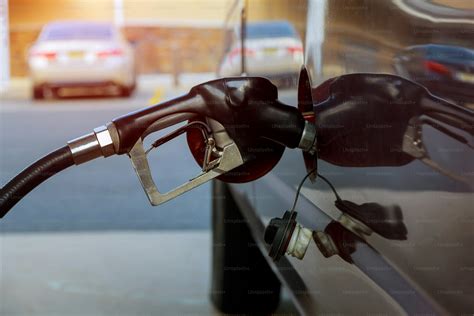
Making smart decisions at the pump and keeping track of your fuel consumption can also contribute to savings.
Use the Correct Fuel Grade
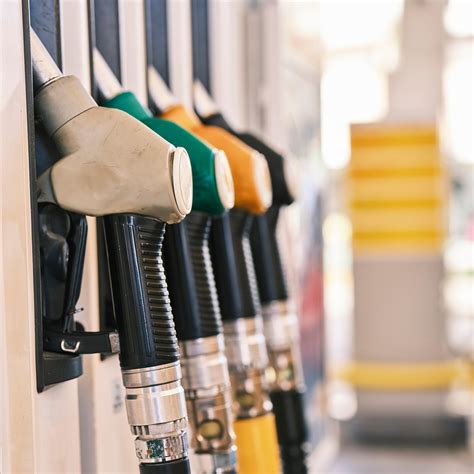
Unless your car’s manufacturer specifically recommends premium fuel, using it is likely a waste of money. Most modern cars are designed to run efficiently on regular unleaded gasoline. Refer to your owner’s manual.
Monitor Your Fuel Economy
Many modern vehicles have built-in fuel economy displays. If yours doesn’t, you can track your mileage manually by dividing the miles driven by the gallons of fuel used at each fill-up. Monitoring helps you understand how different driving habits and maintenance impact your car’s efficiency.
Conclusion: Consistent Effort for Lasting Savings
Boosting your car’s fuel efficiency and cutting gas costs is a continuous process that combines mindful driving, diligent maintenance, and smart choices. By consistently applying these proven tips—from easing off the accelerator to keeping your tires properly inflated—you’ll not only save a significant amount of money at the pump but also contribute to a healthier environment and extend the life of your vehicle. Start implementing these habits today and watch your fuel savings grow.