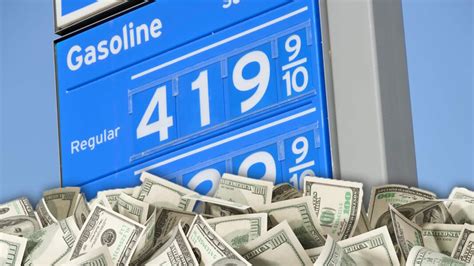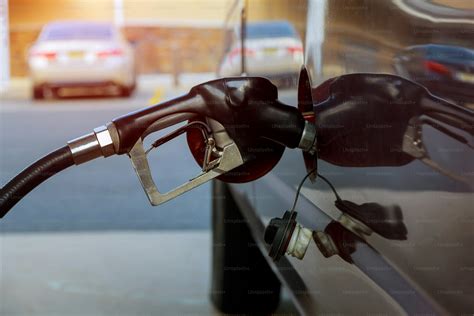
In today’s economic climate, the cost of gasoline continues to be a significant concern for many drivers. Improving your car’s fuel efficiency isn’t just good for your wallet; it also benefits the environment by reducing your carbon footprint. By implementing a few simple changes to your driving habits and vehicle maintenance, you can dramatically cut down on your weekly fuel costs.
Master Your Driving Habits
How you drive has the most immediate impact on your fuel consumption. Aggressive driving—rapid acceleration, sudden braking, and speeding—can reduce your gas mileage by 15% to 30% at highway speeds and 10% to 40% in stop-and-go traffic. The key is to drive smoothly and anticipate traffic conditions.
- Smooth Acceleration and Braking: Ease onto the accelerator and allow your car to coast to a stop whenever possible.
- Observe Speed Limits: Fuel economy generally decreases rapidly at speeds above 50 mph (80 km/h). Each 5 mph (8 km/h) you drive over 50 mph is like paying an additional $0.31 per gallon (or equivalent per liter).
- Avoid Excessive Idling: If you’re going to be stopped for more than 60 seconds, it’s usually more fuel-efficient to turn off your engine and restart it when you’re ready to go.
- Use Cruise Control: On highways, cruise control helps maintain a constant speed, preventing unnecessary acceleration and deceleration that wastes fuel.

Prioritize Vehicle Maintenance
A well-maintained vehicle runs more efficiently. Regular check-ups and simple maintenance tasks can have a substantial impact on your gas mileage.
- Check Tire Pressure Regularly: Under-inflated tires increase rolling resistance, forcing your engine to work harder. Proper tire inflation can improve gas mileage by up to 3%. Find your car’s recommended tire pressure on a sticker inside the driver’s door jamb or in your owner’s manual.
- Replace Air Filters: A clogged air filter can reduce your engine’s efficiency, especially in older cars or during heavy acceleration. A clean air filter ensures your engine gets enough air for optimal combustion.
- Get Regular Tune-ups: Spark plugs, oxygen sensors, and other engine components wear out over time. Keeping your engine tuned according to your car’s manual can improve mileage by 4% to 40%, depending on the repair and how poorly the car was maintained.
- Use the Recommended Oil: Using the manufacturer’s recommended grade of motor oil can improve your gas mileage by 1% to 2%.

Smart Trip Planning and Lifestyle Adjustments
Sometimes, saving fuel is less about how you drive and more about how you plan your journeys and integrate your car into your daily life.
- Combine Errands: Plan your routes to group multiple errands into one trip, minimizing cold starts and short drives, which are less fuel-efficient.
- Reduce Weight: Don’t carry unnecessary heavy items in your trunk or back seat. Every extra 100 pounds (45 kg) can reduce your MPG by about 1%.
- Limit Roof Racks and Cargo Carriers: These accessories create aerodynamic drag, significantly increasing fuel consumption, especially at highway speeds. Remove them when not in use.
- Walk or Bike for Short Trips: For very short distances, consider walking or cycling. Your car is least efficient when its engine is cold.
- Check Gas Prices: Use apps or websites to find the cheapest gas in your area before you fill up.

Optimize Aerodynamics and Climate Control
Small adjustments can make a difference in your car’s battle against wind resistance and energy demands.
- Close Windows at Higher Speeds: Driving with windows open creates drag, which can reduce fuel efficiency, particularly at highway speeds. Use your air conditioning instead.
- Use Air Conditioning Wisely: While AC uses fuel, opening windows at high speeds can be worse due to drag. At lower speeds (below 40 mph or 60 km/h), opening windows might be more efficient than running the AC. Find a balance based on your driving conditions.

Implementing these tips requires little effort but can lead to substantial savings on your weekly gas bill. Beyond the financial benefits, adopting these practices contributes to a healthier environment and prolongs the life of your vehicle. Start applying these strategies today and watch your fuel gauge last longer, and your savings grow.