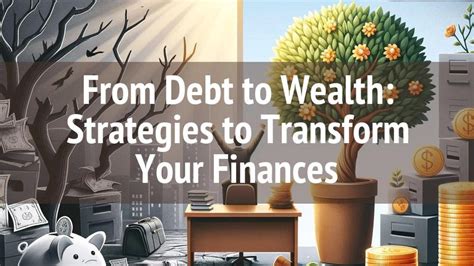
Taking Control: The Man’s Guide to Financial Domination
For many men, talking about money can feel like a chore, or worse, a sign of weakness if things aren’t perfectly in order. But true strength lies in taking control. This isn’t just about spreadsheets; it’s about mastering your financial destiny, crushing debt, and building a formidable fortress of wealth that supports your goals and secures your future. It’s time to shift from passively earning to actively strategizing.

Phase 1: Assessing the Battlefield and Crushing Debt
Know Your Enemy: Your Current Financial Landscape
Before you can conquer, you must understand your territory. This means a brutal, honest assessment of your income, expenses, and all outstanding debts. List every loan, every credit card balance, and every monthly payment. Categorize your spending for the past few months. Apps and online tools can automate much of this, but the act of reviewing it yourself is crucial. Knowledge is power, and in this case, it’s the power to identify your biggest financial drains.
Strategic Debt Elimination: Avalanche vs. Snowball
With your debts laid bare, it’s time to choose your weapon. The Debt Avalanche method targets high-interest debts first. You pay the minimum on everything else and throw all extra cash at the debt with the highest interest rate. This saves you the most money over time. The Debt Snowball method prioritizes the smallest debt first, regardless of interest. The psychological wins of quickly eliminating smaller debts can provide powerful motivation to keep going. Choose the method that best suits your personality and commit to it relentlessly.
Phase 2: Sharpening Your Budgeting Tools
The Lean Machine: Ruthless Expense Reduction
Your budget isn’t a restriction; it’s a blueprint for freedom. Identify non-essential spending that can be reduced or eliminated. Are there subscriptions you don’t use? Can you cook at home more often? Negotiate insurance rates? Every dollar saved is a dollar that can be redirected to debt repayment or wealth building. Think of it as trimming the fat to build lean, financial muscle. This requires discipline, but the payoff is immense.

Boosting Your Arsenal: Income Generation
Sometimes, cutting expenses isn’t enough, or there’s simply no more fat to trim. This is when you focus on increasing your offensive capabilities. Can you negotiate a raise? Take on a side hustle related to your skills or hobbies? Freelance on evenings or weekends? Explore opportunities for skill development that can lead to higher earning potential. More income provides more ammunition for debt repayment and accelerated wealth building.
Phase 3: Building Your Empire (Wealth Accumulation)
Automate Your Ascendancy: Set It and Forget It
Once debt is under control, pivot your focus to automating your savings and investments. Set up automatic transfers from your checking account to your savings, emergency fund, and investment accounts immediately after payday. This removes the temptation to spend the money and ensures consistent progress. Automation is a non-negotiable tactic for long-term financial success.

The Foundation: Emergency Fund First
Before aggressively investing, build a robust emergency fund. Aim for 3-6 months’ worth of essential living expenses stored in a separate, easily accessible savings account. This fund acts as your financial shield, protecting you from unexpected setbacks like job loss or medical emergencies, and preventing you from falling back into debt.
Strategic Investing: Retirement and Beyond
With an emergency fund in place, it’s time to put your money to work. Maximize contributions to tax-advantaged retirement accounts like a 401(k) (especially if there’s an employer match – that’s free money!) and an IRA. Beyond retirement, consider a brokerage account for long-term investments in diversified index funds or ETFs. Educate yourself on basic investment principles and compound interest – it’s one of the most powerful forces in finance.

Phase 4: Maintaining the Momentum
Continuous Reconnaissance: Regular Reviews
Your financial plan isn’t a one-and-done deal. Life changes, income changes, goals change. Schedule regular financial check-ins – monthly or quarterly – to review your budget, track your progress, and make adjustments as needed. Are you still on track to hit your goals? Are there new opportunities or challenges to address? Adaptability is key to long-term success.
The Power of Knowledge: Financial Literacy
Never stop learning. Read books, listen to podcasts, follow reputable financial experts. The more you understand about money, investing, taxes, and economic principles, the better equipped you’ll be to make smart decisions and capitalize on opportunities. Financial literacy is an ongoing journey that pays dividends for a lifetime.

Conclusion: Your Path to Financial Freedom
Crushing debt and building wealth isn’t about magical shortcuts; it’s about consistent, disciplined action guided by a clear strategy. By taking control, making smart tactical choices, and staying committed to the process, you can transform your financial situation from one of worry to one of strength and security. It’s a journey, not a destination, but every deliberate step you take brings you closer to ultimate financial freedom and the life you envision.