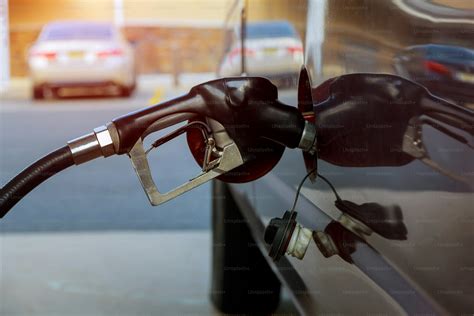
In an era of fluctuating fuel prices, maximizing your car’s fuel efficiency isn’t just about saving money; it’s also about reducing your environmental footprint. Fortunately, a combination of smart driving habits, diligent maintenance, and clever planning can lead to significant savings at the pump. Let’s explore the most effective ways to make your vehicle go further on less fuel.
Master Your Driving Habits
How you drive has a profound impact on your fuel consumption. Aggressive driving—characterized by rapid acceleration, hard braking, and excessive speeding—is a major fuel guzzler. Instead, adopt a smoother driving style.
- Accelerate Gently: Gradually press the accelerator pedal. Rapid acceleration uses more fuel than a steady increase in speed.
- Maintain a Steady Speed: Use cruise control on highways to avoid unnecessary speed fluctuations. Constantly changing speed wastes fuel.
- Anticipate Traffic: Look ahead to anticipate stops and reduce the need for sudden braking. Coasting to a stop uses less fuel than heavy braking.
- Avoid Excessive Idling: If you’re going to be stopped for more than 60 seconds (excluding traffic lights), it’s often more fuel-efficient to turn off your engine and restart it when ready to go.

Prioritize Regular Vehicle Maintenance
A well-maintained car is an efficient car. Simple maintenance tasks can prevent your engine from working harder than it needs to, thus saving fuel.
- Check Tire Pressure: Underinflated tires increase rolling resistance, forcing your engine to use more fuel. Check your tire pressure regularly and inflate them to the manufacturer’s recommended level.
- Replace Air Filters: A clogged engine air filter restricts airflow to the engine, making it less efficient. Replacing it as recommended can improve fuel economy.
- Get Tune-Ups: Regular engine tune-ups, including checking spark plugs and fuel injectors, ensure your engine is running optimally. Faulty spark plugs can lead to misfires and wasted fuel.
- Use the Right Motor Oil: Always use the grade of motor oil recommended by your car’s manufacturer. The right oil reduces friction within the engine, improving efficiency.
Smart Trip Planning and Load Management
Your journey planning and what you carry in your car also play a role in fuel efficiency.
- Combine Errands: Plan your routes to combine multiple errands into one trip, minimizing cold starts (which use more fuel) and unnecessary driving.
- Optimize Your Route: Use navigation apps to find the most efficient route, avoiding heavy traffic and unnecessary detours.
- Reduce Excess Weight: Remove any unnecessary items from your trunk or cabin. Every extra pound your car carries slightly increases fuel consumption.
- Remove Roof Racks: Roof racks and cargo carriers create aerodynamic drag, significantly increasing fuel use, especially at highway speeds. Remove them when not in use.

Adopt Advanced Eco-Driving Habits
Beyond the basics, a few more advanced strategies can further reduce your fuel bill:
- Use Your Car’s Features: If your car has an “eco” mode or engine stop-start technology, utilize them. These features are designed to optimize fuel economy.
- Limit Air Conditioning Use: Running the A/C puts a load on the engine and consumes fuel. On shorter trips or at lower speeds, consider opening windows instead. At higher speeds, open windows can create drag, making A/C more efficient.
- Monitor Your Fuel Economy: Many modern cars have real-time fuel economy displays. Pay attention to them and adjust your driving style to see immediate improvements.
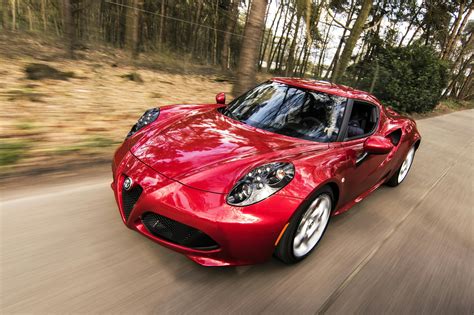
By integrating these smart habits and maintenance practices into your routine, you can significantly reduce your car’s fuel costs and contribute to a more sustainable driving future. Even small changes can lead to substantial savings over time, making every journey more efficient and economical.