Unlock Significant Savings: Strategies to Boost MPG and Cut Fuel Costs
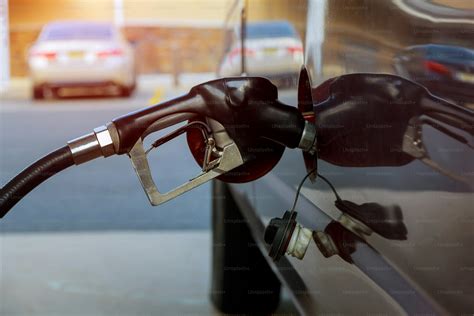
Fuel costs are a significant expense for many drivers. Learning to optimize your vehicle’s performance and adjust your driving habits can lead to substantial savings and a reduced environmental footprint. This guide explores smart, effective strategies to trim your fuel bill and maximize your miles per gallon (MPG).
Master Your Driving Habits
Aggressive driving—rapid acceleration, hard braking, and speeding—is a major fuel guzzler. Smoothly accelerating and anticipating stops allows your engine to operate more efficiently. Try to maintain a consistent speed, utilizing cruise control on highways where appropriate.
Avoid unnecessary idling. If you’re going to be stopped for more than 30 seconds (excluding traffic stops), it’s generally more fuel-efficient to turn off your engine and restart it. Modern cars are designed for frequent starts.
Observe speed limits. Fuel economy significantly decreases at speeds above 50-60 mph due to increased aerodynamic drag. Driving just 5-10 mph slower on the highway can improve your MPG by 7-14%.
Prioritize Vehicle Maintenance
Proper tire inflation is crucial. Underinflated tires increase rolling resistance, forcing your engine to work harder and consuming more fuel. Check your tire pressure monthly, referring to your car’s manual or the sticker inside the driver’s door jamb for the correct PSI.
Regular engine tune-ups, including spark plug replacement and air filter changes, ensure your engine runs optimally. A clogged air filter can reduce your engine’s efficiency and fuel economy.
Use the manufacturer-recommended oil viscosity. The wrong oil can increase friction within the engine, leading to reduced fuel efficiency.
Smart Planning and Load Management
Plan your routes efficiently. Combine multiple errands into one trip to avoid cold starts and short journeys, which are less fuel-efficient. Utilize navigation apps to find the shortest or least congested routes.
Reduce excess weight in your vehicle. Every extra 100 pounds can reduce your MPG by about 1-2%. Remove unnecessary items from your trunk and backseat.
Minimize aerodynamic drag. Roof racks, cargo boxes, and open windows (especially at highway speeds) increase drag, forcing your engine to use more fuel. Remove roof attachments when not in use.

Leverage Technology and Fuel Choices
For compatible vehicles, consider using hypermiling techniques, such as anticipating traffic lights and coasting when safe and legal. Some vehicles also offer “eco” modes that adjust engine and transmission settings for better fuel economy.
Use the recommended fuel grade. If your car doesn’t require premium fuel, using it won’t provide any fuel economy benefits and is simply a waste of money. Conversely, using a lower grade than recommended for a car that requires premium can harm performance and efficiency.
Monitor your fuel consumption. Many modern cars have onboard computers that display real-time MPG. Apps can also help track your fill-ups and calculate your average fuel efficiency over time, helping you identify areas for improvement.
Conclusion
By adopting a combination of smarter driving habits, diligent vehicle maintenance, strategic planning, and wise fuel choices, you can significantly reduce your fuel expenditure and contribute to a greener environment. Small changes can lead to substantial savings over time, making your journeys more economical and eco-friendly.