Fueling Your Body Smartly: High-Protein, Low-Cost for Men
For men aiming to build muscle, sustain energy throughout demanding days, and maintain overall health, protein is a non-negotiable macronutrient. However, achieving adequate protein intake often comes with the misconception that it requires a hefty grocery bill. The good news is that fueling your body like a high-performance machine doesn’t have to drain your wallet. This guide explores intelligent, budget-friendly food choices that deliver ample protein, essential nutrients, and sustained energy, proving that smart nutrition is accessible to everyone.
The Power of Protein and Budget-Friendly Choices
Protein plays a crucial role in muscle repair and growth, hormone production, and satiety. For active men, higher protein intake is often recommended to support recovery and lean mass development. But what if premium protein sources feel out of reach financially? The secret lies in smart shopping, meal planning, and focusing on nutrient-dense, affordable staples. Prioritizing whole foods that offer a fantastic protein-to-cost ratio is key to unlocking your physical potential without financial strain.

Top Low-Cost, High-Protein Food Staples
Eggs: The Incredible, Edible, Affordable Protein
Often dubbed nature’s multivitamin, eggs are a powerhouse of nutrition. Each large egg provides about 6 grams of high-quality protein, along with essential vitamins and healthy fats, all for mere cents per serving. They are incredibly versatile for breakfast, lunch, or dinner.
Canned Tuna and Salmon: Seafood on a Budget
Don’t underestimate the humble can of fish. Canned tuna and salmon are excellent sources of lean protein and beneficial omega-3 fatty acids, crucial for heart health and reducing inflammation. They are perfect for quick salads, sandwiches, or mixed into pasta dishes, offering a significant protein boost without the high cost of fresh fillets.
Legumes: Lentils, Beans, and Chickpeas
These plant-based heroes are a cornerstone of any budget-friendly, high-protein diet. Lentils, black beans, kidney beans, and chickpeas are loaded with protein, fiber, and complex carbohydrates, providing sustained energy. They are incredibly cheap when bought dried in bulk and can be incorporated into soups, stews, chilis, salads, and even homemade burgers.

Oats: More Than Just Breakfast
While known for their complex carbs and fiber, oats also contribute a respectable amount of protein, especially when paired with other protein sources. A serving of oats can provide around 5-6 grams of protein, making them an energy-dense and muscle-friendly base for various meals, from overnight oats to savory oat bowls.
Chicken Thighs and Drumsticks: The Smart Poultry Choice
While chicken breast is popular, chicken thighs and drumsticks are often significantly cheaper and more flavorful. They still pack a punch in terms of protein while offering a bit more healthy fat. Roasting, grilling, or slow-cooking these cuts can yield delicious, high-protein meals for days.

Greek Yogurt and Cottage Cheese: Dairy Powerhouses
These dairy products are protein champions. Greek yogurt offers double the protein of regular yogurt, while cottage cheese is a slow-digesting casein protein source, ideal for muscle recovery, especially before bed. Both are versatile for snacks, breakfast, or as ingredients in savory dishes, providing probiotics and calcium too.
Peanut Butter: The Ultimate Spread
Natural peanut butter is a fantastic source of plant-based protein, healthy fats, and energy. While calorie-dense, a serving can provide around 8 grams of protein, making it an excellent addition to oats, smoothies, or simply spread on whole-grain toast for a quick, satisfying snack.
Smart Meal Planning and Preparation
The key to maximizing these low-cost options is efficient meal planning and preparation. Batch cooking allows you to prepare large quantities of protein-rich meals at once, saving time and money throughout the week. Simple recipes that use versatile ingredients like beans, chicken, and eggs can be rotated to prevent meal fatigue. Don’t be afraid to utilize spices and herbs to elevate flavors without adding cost.
Beyond Protein: Energy and Overall Health
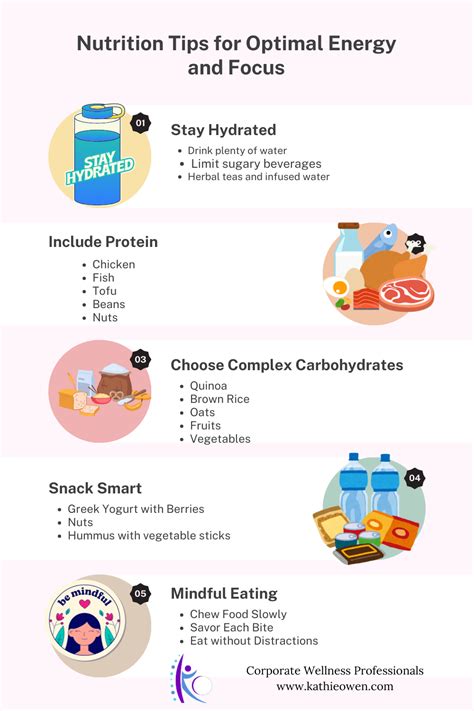
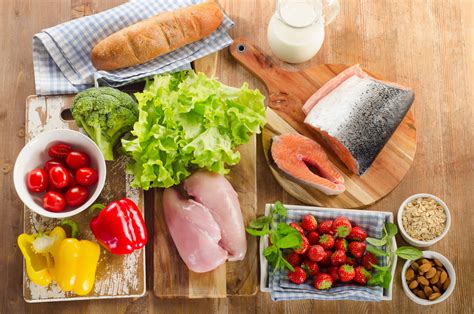
While protein is paramount for muscle, remember that sustained energy and overall health require a balanced approach. Don’t neglect complex carbohydrates from whole grains, fruits, and vegetables for immediate and long-term energy. Healthy fats from avocados, nuts, and seeds are also crucial for hormone function and nutrient absorption. Adequate hydration is another vital component often overlooked; drinking plenty of water supports metabolism, nutrient transport, and physical performance.

Conclusion
Achieving a high-protein diet that supports energy and muscle growth doesn’t have to be a luxurious endeavor. By strategically incorporating affordable staples like eggs, legumes, canned fish, and specific cuts of poultry, men can build a robust, nutritious, and cost-effective eating plan. Smart fuel is about making educated choices, not necessarily expensive ones, empowering you to reach your fitness goals while keeping your budget intact.