Unraveling the Premium Fuel Puzzle for Your Daily Driver
It’s a common dilemma at the gas pump: faced with regular, mid-grade, and premium options, many drivers ponder whether spending more on premium fuel will genuinely benefit their daily commute. The allure of potential savings or a noticeable performance boost is strong, but the reality is often more nuanced than anticipated. Let’s delve into what premium fuel actually offers and if it’s the right choice for your car.
Understanding Octane: It’s Not About Power
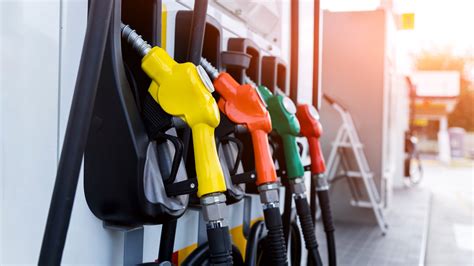
The primary difference between regular (typically 87 octane) and premium (typically 91-93 octane) fuel lies in their octane rating. Octane is a measure of a fuel’s resistance to premature ignition, also known as “knocking” or “pinging.” When an engine’s air-fuel mixture ignites too soon, it can create an opposing force to the piston’s upward movement, reducing efficiency and potentially damaging engine components. Higher octane fuel resists this pre-ignition more effectively.
Crucially, a higher octane rating does not mean more energy content, nor does it inherently make your engine more powerful or fuel-efficient if it’s not designed to utilize it. It’s a stability measure, not a power booster.
Performance Gains: When They Happen (and When They Don’t)
Engines Requiring Premium Fuel
Some vehicles, particularly high-performance cars, sports cars, and luxury models with turbocharged, supercharged, or high-compression engines, are specifically engineered to run on premium fuel. Their engines are tuned to take advantage of the higher octane’s knock resistance, allowing them to operate at higher compression ratios and more aggressive ignition timings to extract maximum power and efficiency. The owner’s manual for these vehicles will explicitly state “premium fuel required” or “recommended.” In these cases, using regular fuel could lead to reduced performance, decreased fuel economy, and potential long-term engine damage due to the engine’s computer retarding timing to prevent knocking.
Engines Designed for Regular Fuel
The vast majority of daily drivers – sedans, SUVs, and trucks – are designed to run perfectly fine on regular 87 octane gasoline. For these vehicles, pouring in premium fuel offers absolutely no benefit in terms of performance, horsepower, or fuel economy. Your car’s engine control unit (ECU) is programmed for regular fuel; it won’t magically unlock extra power just because you’ve opted for a more expensive grade. In fact, some tests have shown no measurable difference in performance or efficiency for cars not designed for premium fuel, and in some cases, it might even be marginally worse as the engine isn’t optimized for it.
The Cost Factor: Saving Money or Wasting It?
If your car doesn’t require premium fuel, consistently filling up with it is essentially throwing money away. Premium gasoline typically costs significantly more per gallon than regular. Over the course of a year, these extra cents per gallon add up to hundreds of dollars without providing any tangible benefit. You won’t see better mileage, and your engine won’t run “cleaner” or last longer because of it. Modern fuels, regardless of octane, all contain detergents and additives to keep your engine clean and prevent deposits.

Consult Your Owner’s Manual: The Definitive Guide
The most reliable source of information regarding your car’s fuel requirements is your vehicle’s owner’s manual. It will clearly state whether premium fuel is “required,” “recommended,” or if regular gasoline is perfectly acceptable. If it says “regular fuel recommended” but not “required,” then your engine is optimized for regular fuel but can safely use premium without harm, though without benefit. If it only states “regular fuel,” then stick with regular.

Conclusion: Stick to What Your Car Needs
For the vast majority of daily drivers, using premium fuel offers no performance advantage, no fuel economy boost, and no long-term engine health benefits. It’s a costly misconception driven by marketing and anecdotal evidence. To save money and ensure your car runs optimally, simply follow the manufacturer’s recommendation outlined in your owner’s manual. If your car is designed for regular unleaded, that’s precisely what you should be putting in it. Save your money for other vehicle maintenance or enjoying the open road.