Decoding the Premium Fuel Debate: Worth the Extra Penny?
For many car owners, the choice at the pump between regular and premium fuel often comes down to a gut feeling or an assumption that more expensive must mean better. However, the reality of when premium fuel genuinely contributes to optimal engine performance and longevity is far more nuanced than a simple price tag. Understanding the science behind octane ratings and engine design is crucial for making an informed decision that benefits both your vehicle and your wallet.
What is Octane Rating and How Does It Work?
The primary difference between regular (typically 87 octane) and premium (91-93 octane) fuel is its octane rating. This rating is not a measure of energy content or power; rather, it indicates a fuel’s resistance to pre-ignition, also known as “engine knock” or “pinging.” In an internal combustion engine, the fuel-air mixture is compressed before being ignited by the spark plug. If the fuel ignites prematurely due to high compression or heat, it creates an uncontrolled explosion that works against the piston, leading to a knocking sound and potential engine damage over time.

Higher octane fuel is more stable and less prone to spontaneous combustion under pressure, making it suitable for engines designed with higher compression ratios or forced induction (turbochargers, superchargers) that inherently create more pressure and heat within the cylinders.
When is Premium Fuel *Required*? Consult Your Owner’s Manual
The most definitive answer to whether your car needs premium fuel lies in your vehicle’s owner’s manual. Manufacturers explicitly state the recommended fuel type for optimal operation. If your manual specifies “premium fuel required,” it means your engine is designed with high compression or advanced timing that necessitates the higher octane to prevent knocking. Using regular fuel in such an engine can lead to a decrease in performance, reduced fuel efficiency, and long-term wear due to the engine’s knock sensors constantly retarding timing to compensate, which isn’t ideal.

Conversely, if your manual states “premium fuel recommended,” your engine can operate safely on regular octane but might achieve peak performance or slightly better efficiency with premium, especially under demanding conditions. If it simply states “regular fuel only,” then using premium is almost certainly a waste of money.
The “Boost” Myth: Does Premium Fuel Improve All Engines?
A common misconception is that using premium fuel in an engine designed for regular gasoline will provide a “performance boost” or clean the engine better. This is generally false. Engines built for regular octane are not designed to take advantage of premium fuel’s higher knock resistance. Pouring 93 octane into a car that only needs 87 won’t unlock hidden horsepower or improve fuel economy because the engine’s computer (ECU) is programmed for the lower octane and won’t advance timing beyond its specified parameters.
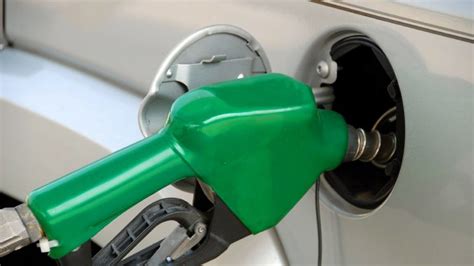
At best, you’ll see no difference; at worst, you’re needlessly spending more money. The only exception might be very old, carbureted vehicles with carbon buildup or pre-ignition issues, but modern, fuel-injected vehicles with knock sensors are generally not affected positively.
Potential Benefits for Specific Vehicles
For vehicles where premium fuel is either required or recommended, the benefits extend beyond just preventing knock. High-performance cars, luxury vehicles, and many turbocharged or supercharged models fall into this category. For these engines, premium fuel allows the engine to operate at its designed parameters, maximizing horsepower and torque, and ensuring the sophisticated engine management systems work as intended. This optimal operation inherently contributes to the engine’s long-term health and consistent performance.

Addressing Engine Longevity: Detergents and Cleaners
While octane rating is the primary differentiator, some premium fuels, particularly those from Top Tier licensed retailers, often contain a higher concentration of detergents and additives. These detergents are designed to clean fuel injectors and intake valves, preventing carbon buildup and maintaining engine efficiency. While many regular gasolines also contain detergents (and all must meet EPA minimums), Top Tier fuels, whether regular or premium, generally offer superior cleaning properties. Therefore, if engine longevity through cleanliness is a concern, focusing on Top Tier certification rather than just octane level is a more effective strategy.
The Cost-Benefit Analysis: Is It Worth the Extra Money?
Ultimately, the decision to use premium fuel comes down to your vehicle’s requirements and a cost-benefit analysis. If your car requires premium fuel, then it’s a non-negotiable part of proper maintenance to ensure performance and longevity. Skimping on fuel will cost you more in the long run through reduced efficiency, potential repairs, and accelerated engine wear.
If your car recommends premium but tolerates regular, weigh the marginal gains in performance or efficiency against the increased cost. For most daily driving scenarios, the difference might be negligible, making regular fuel a more economical choice. If your car only needs regular fuel, consistently buying premium is simply throwing money away.
Conclusion: Making an Informed Choice at the Pump
Premium fuel isn’t a magic elixir for all engines. Its true value lies in meeting the specific demands of high-compression, high-performance, or forced-induction engines where it actively prevents damaging pre-ignition and allows the engine to run as designed. For vehicles not engineered for it, the extra cost offers no tangible benefit in performance or longevity. Always consult your owner’s manual, prioritize Top Tier fuels for their detergent packages if cleanliness is a concern, and make an informed decision that keeps your engine healthy and your wallet happy.