The Desk Job Dilemma: Why Men Experience Lower Back Pain
For many men in desk-bound professions, lower back pain has become an unwelcome daily companion. Prolonged sitting, often accompanied by poor posture, can lead to muscle imbalances, weakened core muscles, and increased pressure on the spinal discs. This sedentary lifestyle, coupled with the demands of a busy work schedule, frequently exacerbates what might start as a minor ache into chronic discomfort. Understanding the root causes is the first step towards finding lasting relief.

Optimize Your Workspace Ergonomics
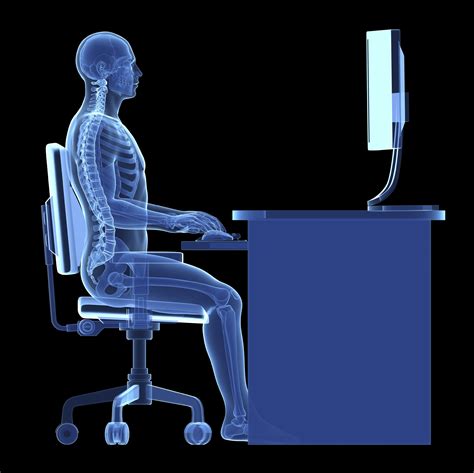
Your office setup plays a crucial role in preventing and alleviating back pain. Small adjustments can make a significant difference:
- Chair Support: Ensure your office chair provides good lumbar support, allowing the natural curve of your lower back to be maintained. Your feet should be flat on the floor, and your knees at a 90-degree angle.
- Monitor Placement: Position your monitor directly in front of you, with the top of the screen at eye level. This prevents neck strain that can translate into back pain.
- Keyboard and Mouse: Keep your keyboard and mouse close to your body to avoid overreaching. Your wrists should be straight and relaxed, not bent upwards or downwards.
Investing time in proper ergonomic setup can dramatically reduce strain on your spine and improve comfort throughout your workday.
Incorporate Movement and Micro-Breaks
The human body isn’t designed for hours of uninterrupted sitting. Regular movement is key to keeping your back healthy and preventing stiffness:
- Stand Up and Stretch: Aim to stand up, walk around, and perform a few simple stretches every 30-60 minutes. Even a minute or two can significantly improve circulation and alleviate tension.
- Desk Stretches: Gentle stretches like seated back extensions, neck rotations, and hamstring stretches can be performed without leaving your workspace, offering immediate relief.
- Consider a Standing Desk: If possible, alternate between sitting and standing throughout the day. This changes the load on your spine and engages different muscle groups, promoting better overall spinal health.
Breaking up long periods of sitting helps improve circulation and prevents muscle stiffness from setting in.

Strengthen Your Core and Improve Flexibility
A strong core acts as a natural corset for your spine, providing essential stability and support. Flexibility in key areas also helps prevent strain:
- Core Exercises: Incorporate exercises like planks, bird-dog, and glute bridges into your routine. These strengthen your abdominal and back muscles without directly stressing the spine.
- Hamstring and Hip Flexor Stretches: Tight hamstrings and hip flexors (common in desk workers) can pull on the pelvis, contributing to lower back pain. Regularly stretch these muscle groups to maintain proper alignment.
- Yoga or Pilates: These practices are excellent for building core strength, improving flexibility, and promoting overall body awareness, which can greatly benefit back health.
Consistency is vital; even a few minutes of targeted exercises daily can yield significant benefits for a stronger, more flexible back.

Holistic Lifestyle Habits for Back Health
Beyond direct interventions, several lifestyle factors significantly contribute to overall back health and pain prevention:
- Stay Hydrated: Drinking enough water helps keep your spinal discs hydrated and pliable, which are crucial for shock absorption and overall disc health.
- Maintain a Healthy Weight: Excess weight, especially around the abdomen, puts additional strain on your lower back and spine. Managing your weight can alleviate this pressure.
- Manage Stress: Stress can cause muscle tension, often manifesting as tightness in the shoulders and lower back. Techniques like meditation, deep breathing exercises, or regular physical activity can help mitigate stress-induced pain.
A holistic approach ensures your body is well-supported from all angles, contributing to long-term back health and well-being.

When to Seek Professional Advice
While these tips can offer considerable relief, it’s important to know when to consult a healthcare professional. If your lower back pain is severe, persistent, accompanied by numbness or tingling in your legs, or causes weakness, seek medical attention. A doctor, physical therapist, or chiropractor can provide an accurate diagnosis and tailor a treatment plan for your specific condition, ensuring you get the most effective care.
Conclusion
Lower back pain doesn’t have to be an inevitable part of working a desk job. By proactively optimizing your ergonomics, incorporating regular movement, strengthening your core, and adopting healthy lifestyle habits, men can significantly reduce discomfort and improve their quality of life. Consistency and commitment to these simple, actionable strategies are key to a healthier, pain-free back, allowing you to focus better at work and enjoy life more fully.