Navigating the Octane Divide: Understanding Your Fuel Choices
For many men, a vehicle is more than just transportation; it’s an extension of their personality, a tool for adventure, or a meticulously maintained machine. With that pride often comes a desire to give their car the best, leading to the perennial question: is premium gas worth the extra cost? Or is it an unnecessary splurge? Understanding the science and the practical implications behind fuel choices is crucial for making an informed decision that benefits both your wallet and your engine.
What’s the Real Difference Between Premium and Regular?
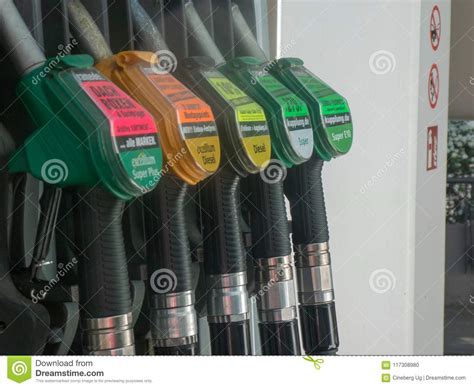
The primary distinction between regular (typically 87 octane) and premium (typically 91-93 octane) gasoline lies in their octane rating. Octane measures a fuel’s resistance to “knocking” or “pinging” – a phenomenon where the fuel-air mixture ignites prematurely under compression, before the spark plug fires. This uncontrolled combustion can lead to decreased engine efficiency, reduced power, and, over time, significant engine damage. Higher octane fuel is more resistant to this pre-ignition.
When Premium Gas is a Non-Negotiable Requirement
The most straightforward answer to whether you need premium gas comes directly from your vehicle’s manufacturer. If your owner’s manual specifies “premium fuel required,” then using anything less can be detrimental. This requirement is typically found in high-performance vehicles, sports cars, and luxury cars equipped with:
- High-Compression Engines: These engines squeeze the fuel-air mixture more intensely, making it more prone to pre-ignition.
- Turbochargers or Superchargers (Forced Induction): These systems force more air into the engine, significantly increasing cylinder pressure and heat, which necessitates higher octane fuel to prevent knocking.
Ignoring this recommendation can lead to the engine’s computer adjusting timing to compensate, resulting in reduced horsepower, lower fuel efficiency, and long-term wear.
When Premium Gas *Might* Be Justified, Even If Not Required
While most cars are designed to run perfectly fine on regular 87 octane fuel, there are niche scenarios where premium *could* offer a subtle benefit, though often not enough to justify the consistent added cost for a standard vehicle.
1. Persistent Engine Knocking on Regular Fuel
If your engine, designed for regular fuel, consistently exhibits knocking or pinging, especially under heavy load or hot weather, it might be a sign of an underlying issue. However, as a temporary measure or after professional diagnosis, a tank of premium *could* sometimes mitigate the knocking. This is a symptom to address, not a permanent solution through premium fuel.
2. High-Performance Driving (Track Days)
For the enthusiast taking their capable, but perhaps not premium-required, car to a track day or engaging in exceptionally aggressive driving, premium fuel *might* offer a marginal performance edge by allowing the engine to operate closer to its maximum potential without the ECU pulling back timing due to minor pre-ignition risks. This is highly specific and not applicable to daily commuting.
Debunking Common Premium Fuel Myths
Many misconceptions surround premium gasoline, often leading men to overspend unnecessarily:
- “Premium Cleans Your Engine Better”: All grades of gasoline in the U.S. contain detergents designed to keep your engine clean. Premium doesn’t offer a superior cleaning benefit.
- “Premium Gives Better Mileage in Any Car”: False. If your car is designed for regular fuel, using premium will likely offer no MPG improvement, and in some cases, might even slightly decrease it as the engine isn’t optimized for the higher octane.
- “Premium Adds More Power to Any Engine”: Also false. Unless your engine is specifically designed to leverage higher octane (by advancing timing), adding premium to a regular-fuel car will not magically increase horsepower.
The Male Perspective: Pride, Performance, and Practicality
For many men, the car ownership experience often involves a deep connection to their vehicle’s performance and longevity. There’s a satisfaction in knowing you’re doing the “right thing” for your car. However, being practical and informed is equally important. Wasting money on premium fuel for a car that doesn’t need it detracts from smart vehicle management and could be better spent on other maintenance or upgrades that truly benefit your ride.

Making the Smart Fuel Choice: A Guide for Every Driver
So, how do you decide?
- Consult Your Owner’s Manual: This is the ultimate authority. If it says “regular unleaded,” stick to it. If it says “premium required,” use premium. If it says “premium recommended,” regular is usually fine, but premium might offer a marginal gain in specific circumstances.
- Listen to Your Engine: If your car is knocking on regular gas (and it’s not a premium-required vehicle), get it checked by a mechanic. Don’t use premium as a band-aid for an underlying mechanical issue.
- Track Your Performance and Mileage: For “premium recommended” vehicles, try a few tanks of each and see if you notice a tangible difference in performance or fuel economy that justifies the price difference. For most, the answer will be no.
Ultimately, the justified extra cost for premium fuel boils down to whether your vehicle is engineered to specifically benefit from it. For the vast majority of drivers and their vehicles, regular unleaded is not just sufficient, but optimal, making premium a costly and unnecessary habit. Save your hard-earned money for upgrades, maintenance, or experiences that genuinely enhance your driving pleasure.