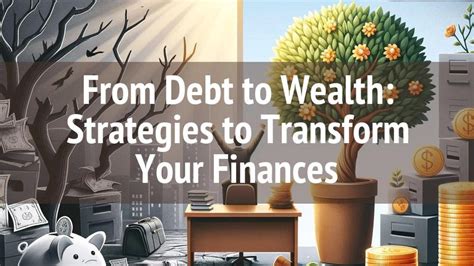
Conquering High-Interest Debt: Your Path to Financial Freedom
High-interest debt can feel like a relentless drag, siphoning off your hard-earned money and delaying your financial goals. Whether it’s credit card balances, personal loans, or other costly obligations, understanding how to systematically eliminate this debt is the critical first step toward building substantial wealth. This article will outline practical strategies to not only shed the burden of high-interest debt but also to pivot proactively into a wealth-building mindset.

The Silent Wealth Killer: Understanding High-Interest Debt
Before devising a plan, it’s crucial to acknowledge the destructive power of high-interest debt. Interest rates of 15%, 20%, or even higher can quickly compound, turning small balances into unmanageable sums. Every dollar paid in interest is a dollar that could have been saved, invested, or used to improve your quality of life. Recognizing this opportunity cost is a powerful motivator.
Step 1: Get a Clear Financial Picture (Budgeting is Key!)
You can’t fix what you don’t understand. Your first practical step is to create a detailed budget. Track every dollar coming in and every dollar going out for at least one month. Identify:
- Total Income: All sources of money after taxes.
- Fixed Expenses: Rent/mortgage, car payments, insurance, utilities (stable amounts).
- Variable Expenses: Groceries, dining out, entertainment, shopping (amounts that fluctuate).
- Debt Inventory: List all debts, their balances, interest rates, and minimum payments. Prioritize by interest rate (highest first).
A clear budget reveals where your money is actually going and where you can make adjustments to free up cash.
Strategies for Debt Elimination: Avalanche vs. Snowball
Once you have your financial picture, it’s time to attack the debt. Two popular and effective strategies are the debt avalanche and the debt snowball:
The Debt Avalanche Method
This method prioritizes paying off debts with the highest interest rates first, while making minimum payments on all other debts. Once the highest-interest debt is paid off, you take the money you were paying on it and apply it to the next highest-interest debt. This approach saves you the most money in interest over the long run.
The Debt Snowball Method
With the snowball method, you pay off debts starting with the smallest balance first, regardless of the interest rate. Once the smallest debt is paid, you roll that payment amount into the next smallest debt. This method provides psychological wins early on, keeping you motivated as you see debts disappear quickly.

Other Debt Reduction Tactics:
- Balance Transfers: If you have good credit, consider transferring high-interest credit card balances to a new card with a 0% introductory APR. Be disciplined to pay off the balance before the promotional period ends.
- Debt Consolidation Loans: A personal loan at a lower interest rate can consolidate multiple high-interest debts into one manageable payment, simplifying repayment and potentially reducing overall interest costs.
- Negotiate with Creditors: Sometimes, creditors are willing to lower interest rates, waive fees, or even set up payment plans if you reach out and explain your situation.
Step 2: Accelerate Debt Repayment and Free Up Cash Flow
To truly accelerate your debt elimination, you need to find extra money beyond your minimum payments. This means either cutting expenses or increasing income, or ideally, both.
- Aggressive Expense Cuts: Review your budget for non-essential spending. Can you reduce dining out, subscriptions, or entertainment for a period? Every extra dollar goes towards your debt.
- Increase Your Income: Consider a side hustle, freelance work, selling unused items, or asking for a raise. Even a few hundred extra dollars a month can significantly speed up your debt repayment journey.

Step 3: Pivot to Wealth Building – After Debt, What Next?
Once high-interest debt is conquered, the money you were dedicating to payments becomes a powerful tool for wealth creation. This is where the magic happens.
Build a Robust Emergency Fund
Before aggressively investing, ensure you have a solid emergency fund. Aim for 3-6 months’ worth of essential living expenses in a separate, easily accessible savings account. This fund protects you from future debt if unexpected costs arise.
Start Investing Early and Consistently
With your emergency fund secured, it’s time to put your money to work through investing. The power of compounding interest is your greatest ally here.
- Retirement Accounts: Maximize contributions to tax-advantaged accounts like a 401(k) (especially if there’s an employer match – it’s free money!), Roth IRA, or Traditional IRA.
- Diversified Investments: Consider low-cost index funds or ETFs that track broad market indices. Diversification helps manage risk.
- Automate Savings: Set up automatic transfers from your checking account to your investment accounts. Out of sight, out of mind, and consistently growing.

Consider Additional Financial Goals
- Paying Down Mortgage: Once high-interest debt is gone, consider accelerating mortgage payments to save substantially on interest over the loan’s life.
- Education Savings: If you have children, explore 529 plans or other education savings vehicles.
- Passive Income Streams: Explore opportunities to generate passive income, further accelerating your wealth.
Conclusion: Consistency is Your Superpower
Eliminating high-interest debt and building wealth isn’t a one-time event; it’s a journey that requires discipline, consistency, and a long-term perspective. By diligently applying these practical steps – budgeting, strategic debt repayment, freeing up cash flow, and smart investing – you can transform your financial situation, achieve financial freedom, and pave the way for a prosperous future. Start today, stay persistent, and watch your wealth grow.