The Dual Pursuit: Building Muscle While Losing Fat
For many men, the ultimate fitness goal is a physique that boasts lean muscle mass while being free of excess body fat. While seemingly contradictory, achieving this ‘body recomposition’ is entirely possible with a strategic approach to diet. It’s not just about eating less or exercising more; it’s about optimizing your nutritional intake to fuel muscle growth and encourage fat metabolism simultaneously.
This article will guide you through the fundamental dietary principles necessary for men to effectively gain lean muscle and lose fat, ensuring your efforts in the gym translate into visible results.
Caloric Intake: The Foundation of Recomposition
The cornerstone of any body recomposition strategy is managing your caloric intake. To lose fat, you generally need to be in a caloric deficit, consuming fewer calories than you burn. To gain muscle, you typically need a caloric surplus. The trick for recomposition is finding a delicate balance.
- Slight Caloric Deficit: For most men aiming for body recomposition, a slight caloric deficit (around 200-500 calories below maintenance) is often recommended. This encourages fat loss while still providing enough energy and nutrients to support muscle protein synthesis, especially when protein intake is high.
- Maintenance Calories with High Protein: Some individuals find success by eating at their maintenance calories but significantly increasing protein intake. The thermic effect of food (TEF) for protein is higher, and it promotes satiety, helping manage overall intake while preserving and building muscle.
Calculating your maintenance calories and tracking your intake are crucial steps. Tools and apps can help you estimate your Total Daily Energy Expenditure (TDEE) and monitor your progress.
Macronutrient Mastery: What to Eat for Results
Once your caloric target is set, the distribution of macronutrients – protein, carbohydrates, and fats – becomes paramount.
Protein: The Muscle Builder
Protein is non-negotiable for muscle gain and preservation, especially during a caloric deficit. Aim for 1.6 to 2.2 grams of protein per kilogram of body weight (or 0.7 to 1 gram per pound).
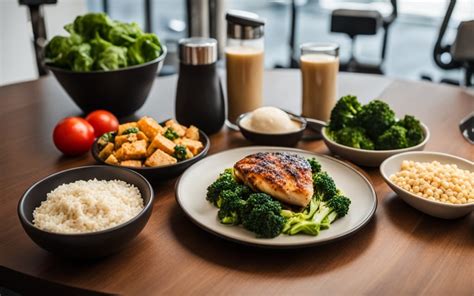
- Sources: Lean meats (chicken breast, turkey, lean beef), fish (salmon, tuna), eggs, dairy (Greek yogurt, cottage cheese), legumes, and protein supplements (whey, casein, plant-based).
- Timing: Distribute protein intake throughout the day, including before and after workouts, to maximize muscle protein synthesis.
Carbohydrates: Energy for Performance
Carbohydrates fuel your workouts and aid in muscle recovery. The amount will depend on your activity level and individual tolerance, but focus on complex carbohydrates.
- Sources: Whole grains (oats, brown rice, quinoa), sweet potatoes, fruits, and vegetables.
- Timing: Consume the majority of your carbs around your workouts to maximize energy and recovery.
Healthy Fats: Essential for Hormones
Fats are crucial for hormone production, nutrient absorption, and overall health. Aim for 20-30% of your total daily calories from healthy fats.
- Sources: Avocados, nuts, seeds, olive oil, fatty fish.

Meal Timing and Frequency
While the total daily intake of calories and macros is most critical, meal timing can play a supporting role in optimizing performance and recovery.
- Regular Meals: Eating 3-5 balanced meals throughout the day helps maintain satiety, stabilize blood sugar, and provide a steady supply of nutrients.
- Pre-Workout: A meal containing complex carbs and some protein 1-2 hours before a workout provides sustained energy.
- Post-Workout: A meal with easily digestible protein and carbohydrates within 1-2 hours after training helps repair muscle tissue and replenish glycogen stores.

Hydration and Micronutrients: Don’t Overlook Them
Proper hydration is vital for every bodily function, including metabolism and nutrient transport. Aim for at least 3-4 liters of water per day, more if you’re very active.
Don’t forget the importance of micronutrients (vitamins and minerals). These are essential cofactors for countless physiological processes, including energy production and muscle function. Ensure your diet is rich in fruits, vegetables, and whole foods to cover your micronutrient needs.
Practical Strategies for Success
- Focus on Whole Foods: Prioritize unprocessed, nutrient-dense foods over highly processed items.
- Meal Prep: Prepare meals in advance to stay consistent and avoid unhealthy choices when time is short.
- Track Progress: Monitor your weight, body measurements, and how your clothes fit. Adjust your intake based on results.
- Be Patient and Consistent: Body recomposition is a gradual process. Consistency over time yields the best results.
- Sleep: Adequate sleep (7-9 hours) is crucial for hormone regulation, muscle recovery, and fat loss.
Conclusion
Optimizing your diet for lean muscle gain and fat loss as a man requires a disciplined yet flexible approach. By meticulously managing your caloric intake, prioritizing protein, strategically consuming carbohydrates and healthy fats, and focusing on whole, nutrient-dense foods, you can sculpt the physique you desire. Remember, consistency is key, and listening to your body will guide you towards long-term success in your body recomposition journey.