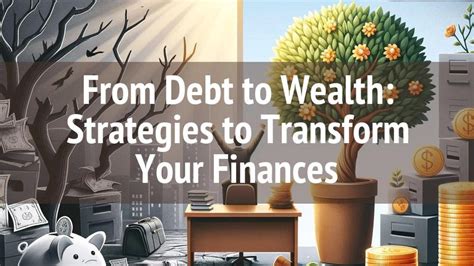
The Age-Old Dilemma: Debt vs. Investing
For many men, the journey to financial freedom presents a fundamental choice: should the primary focus be on eliminating all outstanding debts, or should the priority shift towards aggressive investment strategies to build long-term wealth? This isn’t a one-size-fits-all answer, as the optimal path often depends on individual circumstances, risk tolerance, and the types of debt involved. Understanding the nuances of each approach is crucial for making an informed decision that aligns with personal financial goals.

The Case for Aggressive Debt Payoff
Prioritizing debt payoff, especially high-interest debt like credit card balances or personal loans, offers immediate and tangible benefits. Each dollar paid towards high-interest debt is essentially a guaranteed return equivalent to that interest rate, often surpassing what a conservative investment might yield. Eliminating debt also reduces monthly expenses, freeing up cash flow that can then be directed towards savings, investments, or other financial goals. The psychological benefit of being debt-free cannot be overstated; it brings a sense of financial peace and reduced stress, which can empower individuals to take on greater calculated risks in investing later on.
Consider the ‘debt snowball’ or ‘debt avalanche’ methods. The snowball method focuses on paying off the smallest debts first for motivational wins, while the avalanche method targets debts with the highest interest rates first, saving more money over time. Both are effective strategies for systematic debt elimination.
The Argument for Aggressive Wealth Investing
On the other side of the coin is aggressive wealth investing. The power of compound interest, especially over long periods, is undeniable. Starting early allows investments to grow significantly, even with modest initial contributions. For young men with a long time horizon until retirement, allocating more capital to growth-oriented investments like stocks, exchange-traded funds (ETFs), or real estate can lead to substantial wealth accumulation. The stock market, despite its volatility, has historically provided higher returns than nearly any debt interest rate (excluding predatory loans).

This approach often makes sense when debt consists primarily of low-interest loans, such as student loans or mortgages, where the interest rate is lower than the historical average return of diversified investments. In such scenarios, the ‘arbitrage’ opportunity of investing at a higher rate than you are paying in interest can accelerate wealth growth.
Finding the Optimal Balance: A Hybrid Approach
For many, the optimal strategy isn’t an either/or but rather a hybrid approach that balances both debt reduction and investment. A common recommendation is to categorize debt:
- High-Interest Debt (e.g., credit cards >10-15%): Prioritize paying this off aggressively. The guaranteed return from avoiding this interest almost always beats potential investment returns.
- Medium-Interest Debt (e.g., personal loans, some student loans 5-10%): Consider a balanced approach. Pay more than the minimum while also contributing to retirement accounts, especially if there’s an employer match (which is free money).
- Low-Interest Debt (e.g., mortgages, low-interest student loans <5%): Generally, it’s advisable to make minimum payments and focus on investing any extra funds, particularly in tax-advantaged accounts like 401(k)s and IRAs, as the expected market returns often exceed the debt interest rate.

Beyond interest rates, factors like job security, emergency savings, and future financial goals play a significant role. Before making any aggressive moves, ensure you have an emergency fund covering 3-6 months of living expenses. This safety net prevents new debt accumulation during unexpected events.
The Role of Risk Tolerance and Life Stage
A man’s age and risk tolerance heavily influence the optimal strategy. A younger man with decades until retirement might comfortably adopt a more aggressive investment strategy, even with some low-interest debt, leveraging time for market recovery and growth. An older man nearing retirement, with less time to recover from market downturns, might prioritize debt elimination for stability and peace of mind.

Furthermore, lifestyle aspirations also matter. Do you dream of early retirement, starting a business, or owning a home outright? Each goal might tilt the balance towards one strategy over another. Regular financial reviews and adjustments are key, as life circumstances and market conditions evolve.
Conclusion: A Dynamic Financial Journey
Ultimately, there’s no single ‘optimal’ strategy that applies universally. The decision to prioritize debt payoff or aggressive wealth investing for men is a dynamic one, requiring thoughtful consideration of interest rates, personal risk tolerance, current financial stability, and long-term goals. A smart approach often involves eliminating high-interest debt swiftly, building an emergency fund, and then strategically allocating resources between paying down lower-interest debt and investing for future growth. The most powerful strategy is one that is consistently applied, regularly reviewed, and adapted to your evolving financial landscape.