
Understanding Protein’s Role in Muscle Growth
For men aiming to build significant muscle mass, protein isn’t just a nutrient; it’s the fundamental building block. Every time you train, you create microscopic tears in your muscle fibers. Protein provides the amino acids necessary to repair these tears and rebuild stronger, larger muscles – a process known as muscle protein synthesis (MPS). While the importance of protein is universally acknowledged, optimizing how much protein to consume and when to consume it can make a substantial difference in maximizing your gains.
This article delves into the current scientific understanding of protein intake and timing strategies specifically for men, helping you cut through the noise and implement practical, effective approaches to fuel your muscle growth journey.

Total Daily Protein Intake: How Much is Enough?
The most crucial factor for muscle growth is meeting your total daily protein requirements. While general dietary guidelines suggest around 0.8 grams per kilogram (g/kg) of body weight, athletes and individuals focused on muscle hypertrophy require significantly more. Research consistently points towards a range of 1.6 to 2.2 g/kg (or 0.7 to 1.0 g/lb) of body weight as optimal for maximizing muscle protein synthesis in resistance-trained individuals.
For example, a man weighing 80 kg (approximately 176 lbs) would aim for roughly 128-176 grams of protein per day. Factors like training intensity, overall calorie intake, and individual response can influence where within this range you find your sweet spot. It’s often beneficial to start at the higher end, especially during periods of intense training or a calorie deficit, to preserve muscle mass.
The Science of Protein Timing: When to Eat?
Beyond total daily intake, the timing of your protein consumption has long been a subject of intense debate, particularly concerning the fabled “anabolic window.”
Dispelling the “Anabolic Window” Myth
Early research suggested a very narrow “anabolic window” of 30-60 minutes post-workout during which protein intake was paramount. Missing this window, it was believed, would severely hinder recovery and growth. Modern research, however, offers a more nuanced perspective. While consuming protein post-workout is beneficial, the window is now understood to be much wider, extending several hours before and after your training session, especially if you had a pre-workout meal. The cumulative effect of protein intake throughout the day appears to be more critical than hitting a precise, short post-workout timeframe.
Pre- and Post-Workout Protein
Consuming protein before and after your workout still holds value. A pre-workout protein meal ensures a steady supply of amino acids in your bloodstream during training, potentially reducing muscle breakdown. Post-workout, protein helps kickstart the repair and recovery process. A common strategy is to consume 20-40 grams of fast-digesting protein (like whey) within a few hours before and after your training session.

Spreading Protein Intake Throughout the Day
The most effective strategy for maximizing MPS is to distribute your total daily protein intake across multiple meals. Aim for 3-5 meals per day, each containing 20-40 grams of high-quality protein. This consistent supply ensures that your body always has access to the amino acids it needs for muscle repair and growth, optimizing the “pulsing” effect of MPS throughout the day. Spreading intake also helps manage satiety and nutrient absorption more effectively than trying to consume all your protein in one or two large servings.
Before Bed Protein: Fueling Overnight Recovery
Consuming a slow-digesting protein, such as casein, before bed can provide a sustained release of amino acids to your muscles throughout the night. This helps to prevent muscle protein breakdown during prolonged fasting periods (like sleep) and supports overnight recovery and growth. A serving of 20-40 grams of casein, Greek yogurt, or cottage cheese before sleep can be a valuable addition to your protein timing strategy.

Types of Protein for Optimal Growth
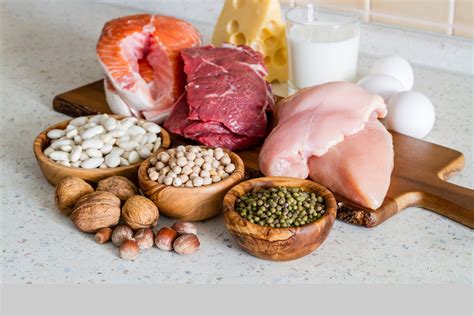
While the focus is often on timing and quantity, the quality of your protein sources also matters. Opt for complete protein sources that contain all essential amino acids. Excellent options include:
- Animal-based: Lean meats (chicken, beef, turkey), fish, eggs, dairy (milk, yogurt, cottage cheese).
- Plant-based: Soy products (tofu, tempeh), quinoa, legumes (beans, lentils), and various protein powders (pea, rice, hemp) often blended to provide a complete amino acid profile.
Whey protein is popular for its fast absorption and high leucine content, making it ideal around workouts. Casein, as mentioned, is slow-digesting and excellent for sustained release.

Practical Application: Integrating Protein into Your Routine
To put these strategies into practice, consider the following:
- Calculate Your Target: Determine your daily protein goal based on your body weight and activity level (1.6-2.2 g/kg).
- Distribute Evenly: Divide your target into 3-5 meals throughout the day.
- Prioritize Around Workouts: Include a protein source 1-3 hours before training and again within 1-3 hours after training.
- Don’t Forget Bedtime: Consider a slow-digesting protein before sleep.
- Focus on Whole Foods: Build your meals around lean protein sources, supplementing with protein powders when convenient or necessary to hit targets.
Consistency is key. Adhering to these principles day in and day out will yield the best results for muscle growth.
Conclusion
For men aiming to maximize muscle growth, optimizing protein intake and timing is a powerful strategy. While the total daily protein intake (1.6-2.2 g/kg) remains the most critical factor, strategically distributing that protein across 3-5 meals, including around workouts and before bed, can further enhance muscle protein synthesis and recovery. By focusing on both quantity and intelligent timing of high-quality protein, you can provide your body with the consistent building blocks it needs to repair, adapt, and grow stronger.