The Dual Pursuit: Muscle and Fat Loss
For men aiming to simultaneously build lean muscle and shed body fat, protein isn’t just a macronutrient; it’s the cornerstone of success. This ambitious goal requires a precise nutritional strategy, with protein playing a pivotal role in preserving muscle during a caloric deficit and stimulating growth when energy is available. Understanding the optimal protein intake is crucial for maximizing results, accelerating recovery, and maintaining satiety throughout the process.

Why Protein Reigns Supreme for Body Composition
Protein’s importance in body recomposition stems from several key mechanisms:
- Muscle Protein Synthesis (MPS): Adequate protein intake provides the amino acids necessary to repair muscle damage from training and build new muscle tissue, preventing catabolism (muscle breakdown), especially in a calorie deficit.
- Satiety and Appetite Control: Protein is highly satiating, meaning it helps you feel fuller for longer. This is invaluable when reducing caloric intake for fat loss, as it helps curb cravings and prevents overeating.
- Thermic Effect of Food (TEF): Protein has a higher TEF compared to carbohydrates and fats. This means your body expends more energy digesting and metabolizing protein, slightly boosting daily calorie expenditure.
- Preservation of Lean Mass: During a fat loss phase, a high protein intake is critical for preserving existing muscle mass. Without sufficient protein, the body is more likely to break down muscle for energy, compromising strength and metabolic rate.
Quantifying Optimal Protein: The Science-Backed Numbers
While general dietary guidelines suggest a certain percentage of calories from protein, for men focused on body recomposition, specific gram-per-pound or gram-per-kilogram recommendations are more effective. Research consistently points to higher protein intakes than the standard RDA for athletes and individuals in a caloric deficit.
Key Recommendations:
- For Lean Muscle Gain: A commonly cited range is 1.6 to 2.2 grams of protein per kilogram of body weight (0.7 to 1.0 grams per pound of body weight). For a 180-pound man, this translates to roughly 126-180 grams of protein daily.
- For Fat Loss with Muscle Preservation: When in a caloric deficit, protein requirements increase to safeguard muscle mass. Recommendations often fall between 2.2 to 3.1 grams per kilogram of lean body mass (1.0 to 1.4 grams per pound of lean body mass). Focusing on lean body mass rather than total body weight is more precise, especially for individuals with higher body fat percentages. Some studies suggest even higher, up to 2.5-3.0g/kg of total body weight, can be beneficial during aggressive deficits.
It’s important to consider individual factors like training intensity, overall calorie intake, and specific body composition goals. Starting at the lower end of these ranges and adjusting based on results and feelings of recovery is a sensible approach.
High-Quality Protein Sources
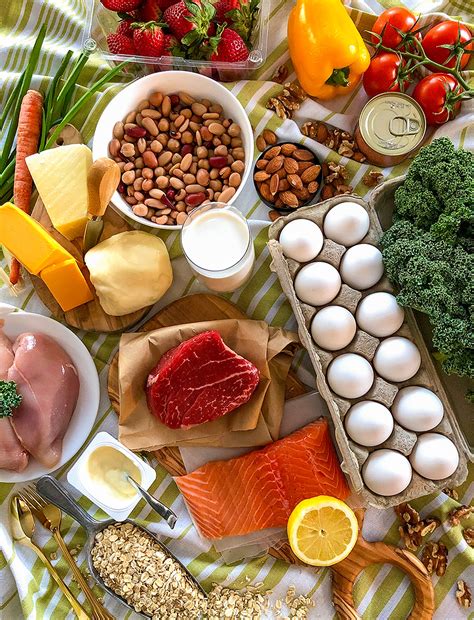
Not all protein is created equal. Focusing on high-quality sources that provide a complete amino acid profile is essential.
Animal-Based Sources:
- Lean Meats: Chicken breast, turkey, lean beef, pork loin.
- Fish: Salmon, tuna, cod, tilapia (also provide essential omega-3 fatty acids).
- Eggs: Whole eggs or egg whites are excellent, versatile protein sources.
- Dairy: Greek yogurt, cottage cheese, milk, whey protein supplements.
Plant-Based Sources:
- Legumes: Lentils, chickpeas, black beans.
- Tofu and Tempeh: Versatile soy-based proteins.
- Quinoa: A complete plant-based protein.
- Nuts and Seeds: Almonds, peanuts, chia seeds, flax seeds (also good fats).
- Plant-Based Protein Powders: Pea, rice, hemp protein blends.
Combining various plant-based proteins throughout the day ensures a complete amino acid profile, particularly for those following vegetarian or vegan diets.
Timing and Distribution: Spreading the Protein Load
While total daily protein intake is paramount, how you distribute that protein throughout the day can also optimize muscle protein synthesis. Aiming for consistent protein feedings helps maintain an anabolic state.
- Per Meal: Try to consume 20-40 grams of protein per meal, spread across 3-5 meals. This ensures a consistent supply of amino acids to muscles.
- Pre- and Post-Workout: While the “anabolic window” is not as narrow as once thought, consuming protein before or after resistance training (or both) can be beneficial for recovery and growth. A whey protein shake is a convenient option here.
- Before Bed: A slow-digesting protein like casein (found in cottage cheese or casein protein powder) before bed can provide a sustained release of amino acids overnight, supporting muscle repair while you sleep.
Practical Tips for Implementation
- Track Your Intake: Use a food tracking app for a few days to understand your current protein consumption and identify areas for improvement.
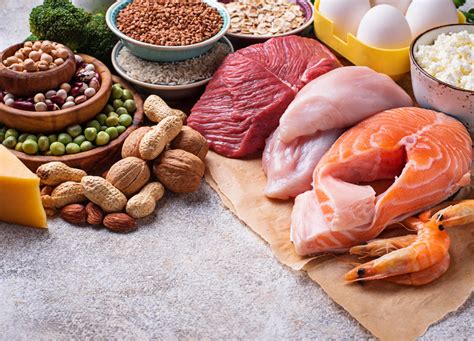
- Prioritize Protein: Make protein the centerpiece of your meals. Build your plate around a lean protein source.
- Snack Smart: Opt for protein-rich snacks like Greek yogurt, hard-boiled eggs, cottage cheese, or a handful of nuts.
- Consider Supplements: While not essential, protein powders (whey, casein, plant-based) can be a convenient and cost-effective way to meet high protein targets, especially post-workout or for quick meals.
- Hydrate: Increased protein intake requires ample water consumption to aid kidney function and overall health.
Conclusion
For men dedicated to achieving lean muscle gain and fat loss, optimizing protein intake is non-negotiable. Aim for a daily intake of 1.6 to 2.2 grams per kilogram of body weight for muscle gain, potentially increasing to 2.2 to 3.1 grams per kilogram of lean body mass during a fat loss phase. Prioritize high-quality sources, distribute your intake evenly throughout the day, and use strategic timing to maximize muscle protein synthesis and recovery. By making protein a priority, you’ll build a stronger, leaner physique while effectively managing hunger and preserving your hard-earned muscle.