Understanding Octane Ratings: More Than Just a Number
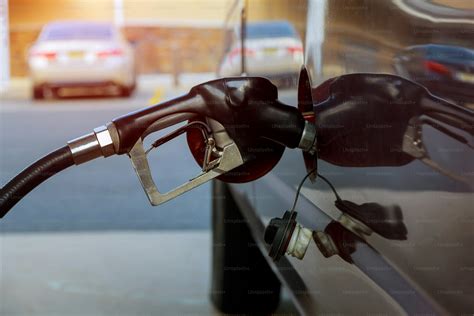
For many drivers, choosing the right fuel at the pump can feel like a guessing game. With options like regular, mid-grade, and premium, it’s easy to assume that higher octane means better performance or better for your engine. However, understanding what octane truly represents is crucial for making an informed decision that benefits your vehicle and your wallet.
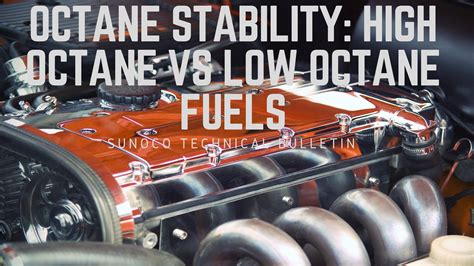
Octane is a measure of a fuel’s resistance to ‘knock’ or ‘ping’ – the uncontrolled combustion of fuel in your engine’s cylinders before the spark plug fires. This premature ignition, also known as pre-ignition or detonation, can be detrimental to engine components over time, leading to reduced power, decreased efficiency, and potentially costly repairs. Higher octane fuels are simply more resistant to this pre-ignition.
The Myth of “Better” Fuel: When Premium Isn’t Worth It
A common misconception is that filling up with premium (higher octane) gasoline will somehow clean your engine, boost horsepower, or provide superior fuel economy, regardless of your car’s design. This is rarely the case for most daily drivers. Modern engines are designed to operate optimally on a specific octane level, which is determined by factors like compression ratio and engine timing.
Unless your car’s manufacturer specifically recommends or requires premium fuel, using it is likely a waste of money. Your engine’s computer (ECU) is programmed to adjust timing and fuel delivery for the recommended octane. If you put higher octane fuel into an engine designed for regular, the ECU simply won’t be able to take advantage of the fuel’s higher knock resistance, yielding no performance benefits or improved MPG.
Your Owner’s Manual: The Ultimate Octane Guide
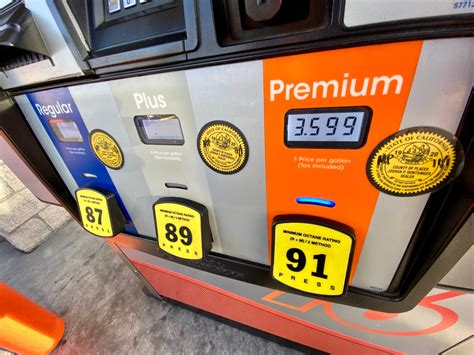
The definitive source for determining the optimal octane for your vehicle is your car’s owner’s manual. Manufacturers invest heavily in engineering their engines to perform best on a specific fuel type. The manual will clearly state whether your car requires “regular” (typically 87 octane), “mid-grade” (89-90 octane), or “premium” (91-93 octane).
Sometimes, this information is also printed on the inside of your fuel filler door. Pay close attention to whether the manual says “required” or “recommended.” If it’s “required,” deviating from it can cause engine issues. If it’s “recommended,” you might experience a slight, barely noticeable performance dip with a lower octane, but typically no harm will come to the engine for occasional use.

Real Benefits: Maximizing MPG and Engine Longevity
Sticking to the manufacturer’s recommended octane level offers tangible benefits. Firstly, it ensures your engine operates as intended, preventing detrimental knock that can shorten its lifespan. Consistent use of the correct fuel contributes to the overall health and longevity of your engine, avoiding premature wear on pistons, valves, and other critical components.
Secondly, using the correct octane helps maintain the vehicle’s advertised fuel efficiency (MPG). When an engine is forced to compensate for incorrect fuel (especially lower octane than required), it might adjust timing, which can lead to reduced power and, consequently, lower fuel economy as the engine works harder. By providing the fuel it was designed for, you’re optimizing combustion and getting the most out of every gallon.

What Happens If You Use the Wrong Octane?
Using an octane level lower than what’s required by your vehicle can lead to engine knock, especially under heavy loads or hot conditions. While modern cars have knock sensors and can adjust engine timing to mitigate the immediate damage, repeated or severe knocking can still cause long-term harm. You might notice a lack of power or a metallic pinging sound from the engine.
Conversely, consistently using premium fuel in a car designed for regular is simply throwing money away. You’re paying extra for a higher knock resistance that your engine doesn’t need and isn’t designed to utilize. Over a year of daily driving, these unnecessary costs can add up significantly, easily amounting to hundreds of dollars that could be better spent elsewhere. The optimal octane for your daily drive is almost always the one specified by your car’s manufacturer.

The Smart Fueling Strategy for Every Driver
In conclusion, the quest for optimal octane isn’t about choosing the ‘best’ fuel, but rather the ‘right’ fuel for your specific vehicle. By consulting your owner’s manual and adhering to the manufacturer’s recommendation, you ensure that your engine runs efficiently, reliably, and without unnecessary strain. This simple yet effective practice not only helps maximize your vehicle’s MPG and extend its engine life but also ensures you’re not spending a single cent more than you need to at the gas pump.