The Foundation of Male Peak Performance
For men striving for peak performance in all areas of life, from the boardroom to the gym, nutrition is not just about sustenance; it’s about strategic fueling. The right balance of macronutrients, micronutrients, and hydration can be the difference between feeling sluggish and sharp, fatigued and focused. Understanding which fuel sources best serve the male body is crucial for sustained energy, mental clarity, and overall well-being.
Carbohydrates: The Primary Energy Source
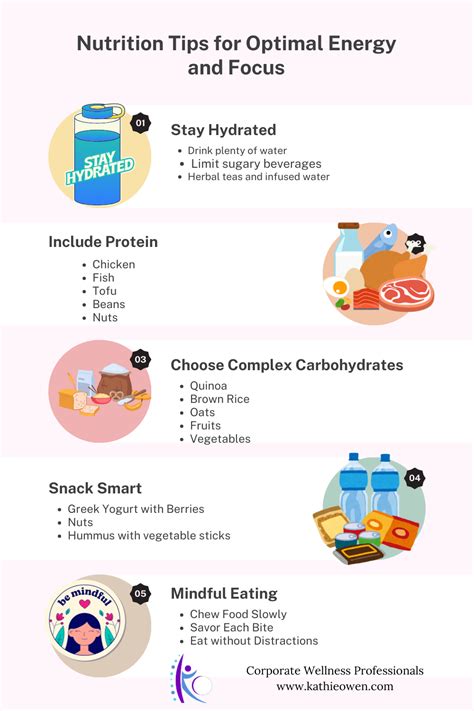
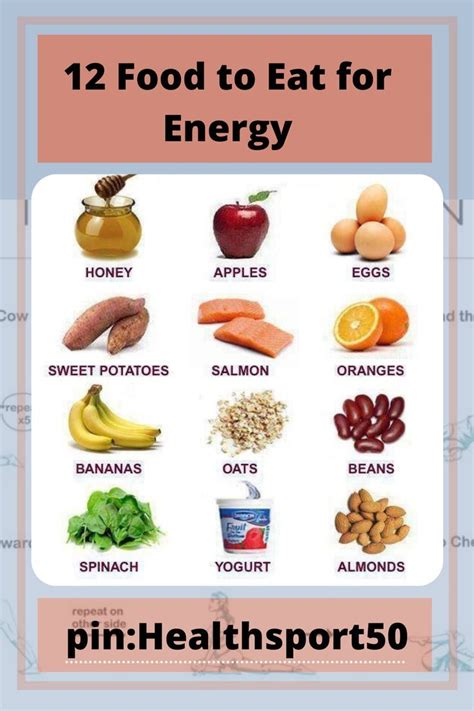
Often misunderstood, carbohydrates are the body’s preferred and most efficient source of energy. For sustained performance and stable blood sugar levels, focus on complex carbohydrates. These include whole grains like oats, brown rice, and quinoa, as well as starchy vegetables such as sweet potatoes and butternut squash. They provide a slow, steady release of glucose into the bloodstream, preventing energy crashes and supporting consistent brain function.
Fruits, rich in natural sugars and fiber, also offer a quick yet sustained energy boost, along with essential vitamins and antioxidants. Prioritize berries, apples, and bananas for their nutritional density.

Protein: Building Blocks and Satiety
Protein is vital for muscle repair and growth, but its role extends far beyond physical performance. It’s crucial for hormone production, enzyme function, and the synthesis of neurotransmitters that influence mood and focus. Adequate protein intake helps stabilize blood sugar, promoting satiety and preventing overeating, which can lead to sluggishness. Lean protein sources such as chicken breast, turkey, fish (especially fatty fish like salmon for omega-3s), eggs, and plant-based options like lentils, beans, and tofu are excellent choices.
Healthy Fats: Brain Power and Hormone Balance
Dietary fats are essential, particularly for brain health and hormone regulation. Healthy fats, especially omega-3 fatty acids, are critical for cognitive function, memory, and reducing inflammation, which can otherwise contribute to fatigue. Sources like avocados, nuts (walnuts, almonds), seeds (chia, flax, hemp), and olive oil should be incorporated regularly. These fats provide a dense source of energy and play a key role in the absorption of fat-soluble vitamins (A, D, E, K), further supporting overall health and vitality.

Micronutrients: The Unsung Heroes
While macronutrients provide the bulk of your energy, micronutrients are the critical catalysts for countless bodily processes, including energy production and cognitive function.
- B Vitamins: Essential for converting food into energy. Found in whole grains, leafy greens, meat, and eggs.
- Magnesium: Plays a role in over 300 biochemical reactions, including energy production, muscle and nerve function, and sleep regulation. Abundant in leafy greens, nuts, seeds, and dark chocolate.
- Zinc: Important for immune function, testosterone production, and cognitive processes. Found in oysters, red meat, nuts, and legumes.
- Iron: Crucial for oxygen transport in the blood. Low iron can lead to severe fatigue. Sources include red meat, spinach, and lentils.
- Vitamin D: Linked to mood, bone health, and energy levels. Primarily obtained from sun exposure, but also found in fatty fish and fortified foods.

Hydration: More Than Just Thirst Quenching
Dehydration, even mild, can significantly impair cognitive function, reduce energy levels, and decrease physical performance. Water is essential for nutrient transport, waste removal, and maintaining optimal brain activity. Aim to drink plenty of water throughout the day, and consider electrolyte-rich fluids during intense workouts or hot weather. Herbal teas and water-rich fruits and vegetables also contribute to overall hydration.
Strategic Fueling: Timing and Balance
The timing of your meals and snacks can also impact energy and focus. Eating balanced meals regularly throughout the day helps maintain stable blood sugar and sustained energy. Don’t skip breakfast; it kickstarts your metabolism and provides immediate fuel for your brain. Incorporate a mix of complex carbohydrates, lean protein, and healthy fats in each meal to optimize absorption and satiety.

Foods to Limit or Avoid
To truly optimize performance, it’s equally important to minimize intake of foods that drain energy and hinder focus. These include highly processed foods, sugary drinks, excessive refined carbohydrates, and unhealthy trans fats. These can lead to rapid blood sugar spikes and crashes, inflammation, and an overall feeling of lethargy.
Conclusion
Optimal male nutrition is a powerful tool for combating fatigue and sharpening focus. By prioritizing complex carbohydrates, lean proteins, healthy fats, and a spectrum of essential micronutrients, alongside diligent hydration, men can unlock their full potential. This strategic approach to fueling not only supports physical prowess but also enhances mental acuity, paving the way for sustained peak performance in every aspect of life.