For men dedicated to transforming their physique, whether by packing on lean muscle or shedding unwanted fat, protein is not just a nutrient; it’s a cornerstone. Understanding the optimal daily protein intake is crucial for maximizing results, preventing muscle loss during caloric deficits, and supporting the rigorous demands of strength training.
Understanding Protein’s Pivotal Role
Protein is comprised of amino acids, the building blocks of muscle tissue. Beyond muscle synthesis, protein plays a critical role in numerous bodily functions, including hormone production, enzyme activity, and immune response. For body composition goals, its impact is multifaceted:
- Muscle Protein Synthesis (MPS): Sufficient protein intake provides the necessary amino acids to repair muscle damage after exercise and build new muscle tissue.
- Satiety: Protein is highly satiating, meaning it helps you feel fuller for longer. This is particularly beneficial during fat loss phases, as it can reduce overall calorie intake.
- Thermic Effect of Food (TEF): Protein has a higher TEF compared to carbohydrates and fats, meaning your body expends more energy (calories) to digest and metabolize it. This slightly boosts your daily calorie expenditure.
Optimal Protein for Muscle Gain
When the goal is to build muscle, men generally need to consume a higher amount of protein than sedentary individuals. The consensus among sports nutritionists and researchers typically falls within a specific range:
For most men engaging in resistance training, an intake of 1.6 to 2.2 grams of protein per kilogram of body weight (0.7 to 1.0 grams per pound of body weight) per day is recommended. This range ensures ample amino acids are available to support muscle repair and growth, especially when combined with a sufficient caloric intake.
For example, a man weighing 80 kg (approximately 176 lbs) aiming for muscle gain would target 128 to 176 grams of protein daily. Individuals with higher training volumes or who are more advanced in their training might lean towards the upper end of this spectrum.
Optimal Protein for Fat Loss (and Muscle Preservation)
During a fat loss phase, where a caloric deficit is necessary, maintaining muscle mass becomes paramount. A higher protein intake can be incredibly beneficial here, even slightly exceeding the recommendations for muscle gain alone.
To preserve lean muscle mass while in a calorie deficit, recommendations often increase to 2.2 to 2.8 grams of protein per kilogram of body weight (1.0 to 1.3 grams per pound of body weight) per day. This elevated intake helps to:
- Minimize muscle protein breakdown that can occur when calories are restricted.
- Enhance satiety, making it easier to adhere to a reduced-calorie diet.
- Leverage the higher TEF of protein, which slightly contributes to a larger calorie deficit.

Key Factors Influencing Protein Needs
Body Weight vs. Lean Body Mass
While grams per kilogram of total body weight is a common guideline, some experts advocate for calculating protein based on lean body mass (LBM), especially for individuals with higher body fat percentages. This can provide a more accurate target, as adipose tissue (fat) doesn’t require the same protein for maintenance as muscle tissue.
Activity Level & Training Intensity
The more intense and frequent your workouts, the greater your protein requirements will generally be. Heavy resistance training, particularly, increases the need for amino acids to repair and rebuild muscle tissue.
Age Considerations
As men age, particularly over 40-50, there’s a phenomenon called anabolic resistance, where muscles become less responsive to protein for growth and repair. Older men may benefit from slightly higher protein intakes (e.g., closer to 1.2-1.6 g/lb or 2.6-3.5 g/kg LBM) to counteract this effect and preserve muscle mass.
Timing and Distribution of Protein
While total daily protein intake is most important, how you distribute it throughout the day can also play a role. Aiming for protein intake across multiple meals and snacks (e.g., 20-40 grams per meal, 3-5 times a day) helps to maximize muscle protein synthesis periods throughout the day.
Consuming protein before and/or after workouts can also be beneficial. A dose of fast-digesting protein (like whey) post-workout can kickstart muscle repair, while slower-digesting protein (like casein) before bed can provide a steady supply of amino acids overnight.
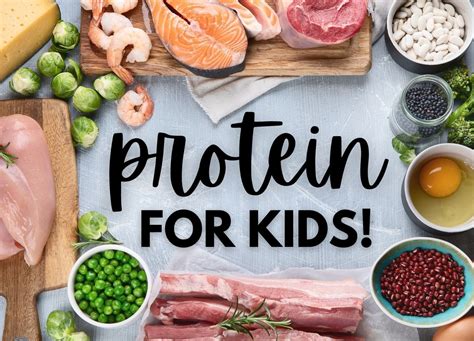
Best Protein Sources
Whole Foods
Prioritize whole, unprocessed protein sources. These often come with additional beneficial micronutrients:
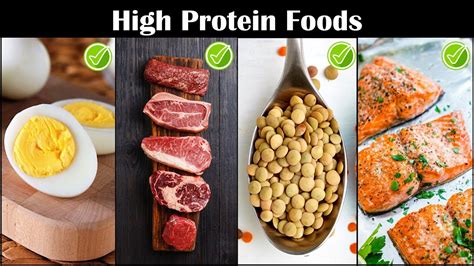
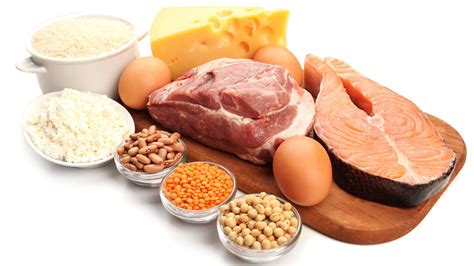
- Lean Meats: Chicken breast, turkey, lean beef, pork loin.
- Fish: Salmon, tuna, cod, tilapia (rich in Omega-3s).
- Eggs: Whole eggs or egg whites.
- Dairy: Greek yogurt, cottage cheese, milk.
- Legumes & Plant-Based: Lentils, beans, chickpeas, tofu, tempeh, edamame (combine with other plant proteins for a complete amino acid profile).
Supplements
Protein supplements can be a convenient way to meet your daily targets, especially for busy individuals or those with higher needs:
- Whey Protein: Fast-digesting, ideal post-workout.
- Casein Protein: Slow-digesting, good for sustained release, e.g., before bed.
- Plant-Based Proteins: Pea, rice, hemp, or blended plant proteins for vegetarians/vegans.
Putting It Into Practice: Practical Tips
Implementing an optimal protein strategy doesn’t have to be complicated:
- Calculate Your Target: Use the guidelines above to determine your specific daily protein goal based on your body weight and goals.
- Track Initially: For a few days, track your protein intake using a food diary or app to get a sense of how much you’re currently consuming and where you need to adjust.
- Prioritize Protein at Every Meal: Make protein the central component of breakfast, lunch, and dinner, and include it in snacks.
- Consider Supplements Strategically: Use protein powder when whole food options are inconvenient or when you need to quickly boost your intake.
- Hydrate: Adequate water intake is always important, especially when consuming higher protein levels.

Conclusion
Achieving your muscle gain and fat loss goals as a man hinges significantly on your daily protein intake. By understanding the optimal ranges, considering individual factors like activity level and age, and focusing on quality protein sources distributed throughout the day, you can effectively fuel your body for growth, recovery, and overall body composition improvement. Consistent effort in both your training and nutritional strategy will pave the way for sustainable results.