Navigating the Dual Path: Debt Freedom and Wealth Creation
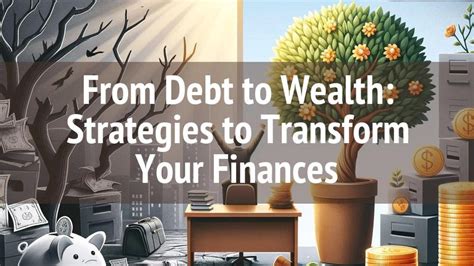
For many men, the journey to financial freedom often feels like a tightrope walk between paying off existing debts and actively investing for future wealth. The truth is, these aren’t mutually exclusive goals. With a clear strategy and disciplined execution, you can tackle both, accelerating your path to financial stability and prosperity. This guide will help you create a robust plan.

Phase 1: Aggressive Debt Demolition
Before you can truly grow wealth, you need to minimize the drag of high-interest debt. Think of it as clearing the runway before takeoff.
1. Assess and Prioritize Your Debt
Your first step is to get a complete picture. List all your debts: credit cards, student loans, car loans, personal loans, etc. For each, note the outstanding balance, interest rate, and minimum monthly payment. High-interest debt, like credit cards, is your primary enemy; it eats away at your potential savings and investment returns.
2. Choose Your Attack Strategy: Avalanche or Snowball
- Debt Avalanche: This strategy focuses on paying off debts with the highest interest rates first, regardless of balance. Once the highest-rate debt is paid off, you roll that payment into the next highest. This mathematically saves you the most money on interest.
- Debt Snowball: With this method, you pay off the smallest debt first, then roll that payment into the next smallest. While it might not save the most interest, the psychological wins from quickly eliminating small debts can be incredibly motivating.
3. Create a Strict Budget and Find Extra Cash
A budget is non-negotiable. Track every dollar coming in and going out. Identify areas where you can cut back, even temporarily, to free up more money for debt payments. This could mean reducing dining out, cutting subscriptions, or finding a side hustle. Every extra dollar you put towards high-interest debt is a dollar saved on future interest payments.
4. Automate Payments and Avoid New Debt
Set up automatic payments to avoid late fees and ensure consistency. Crucially, commit to not taking on any new consumer debt while you’re in this aggressive repayment phase. If an emergency arises, tap into a small emergency fund (see below) rather than reaching for a credit card.
Phase 2: Strategic Wealth Accumulation
Once high-interest debt is under control or eliminated, you can shift gears and accelerate your wealth-building efforts. However, some initial investing should run concurrently with debt repayment.
1. Build an Emergency Fund (Simultaneously)
Before seriously investing, ensure you have a safety net. Aim for 3-6 months’ worth of essential living expenses saved in an easily accessible, high-yield savings account. This prevents you from going back into debt if unexpected expenses arise.

2. Maximize Employer-Sponsored Retirement Accounts
If your employer offers a 401(k) match, contribute at least enough to get the full match. This is free money and an immediate 100% return on your investment, making it a critical first step even when tackling debt.
3. Diversify Your Investments
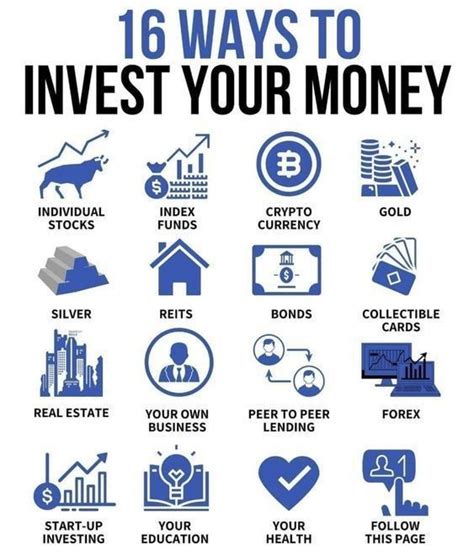
Don’t put all your eggs in one basket. A diversified portfolio typically includes a mix of:
- Stocks/ETFs: For growth potential.
- Bonds: For stability and income.
- Real Estate: Can offer long-term appreciation and rental income (consider REITs if direct ownership isn’t feasible).
- Index Funds/Mutual Funds: Offers broad market exposure with less individual stock risk.
4. Automate Your Investments and Increase Contributions
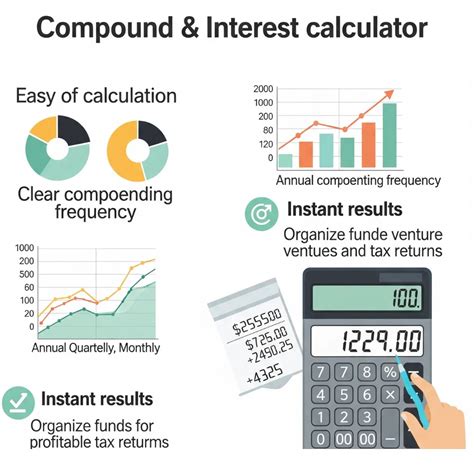
Just like debt payments, automate your investments. Set up automatic transfers from your checking account to your investment accounts (e.g., Roth IRA, brokerage account). As your income increases or debt is eliminated, incrementally increase your contributions. The power of compounding is your greatest ally here – time in the market beats timing the market.
The Integrated Approach: Blending Debt Repayment & Investing
The most effective strategy isn’t strictly one then the other; it’s an integrated approach:
- Aggressively attack high-interest debt (>7-8% interest).
- Simultaneously contribute to your 401(k) up to the employer match.
- Build a foundational emergency fund.
- Once high-interest debt is gone, shift your focus. Redirect the money you were paying towards debt into increased investment contributions (401k, Roth IRA, taxable brokerage).
- Continue to chip away at lower-interest debt (e.g., mortgages, low-rate student loans) while maximizing investment contributions.

Consistency and Education are Key
No strategy works without consistency. Regularly review your budget, track your debt repayment progress, and monitor your investments. Educate yourself continually about personal finance and investment options. The financial landscape evolves, and so should your understanding. By diligently executing this dual strategy, you can confidently move from debt bondage to a future of significant wealth growth and financial independence.