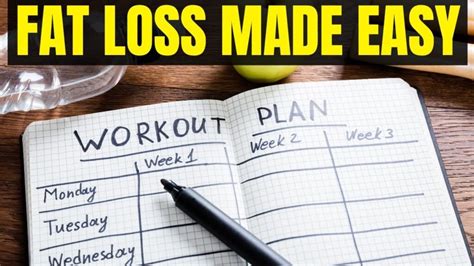
Understanding Stubborn Belly Fat in Men
For many men, shedding the last bit of abdominal fat can feel like an insurmountable challenge. This isn’t just about aesthetics; excess belly fat, particularly visceral fat that surrounds organs, is linked to serious health risks like heart disease, type 2 diabetes, and certain cancers. The good news is that with a targeted approach combining diet, exercise, and lifestyle changes, you can effectively melt away this stubborn fat.
Why is it so stubborn? Hormonal factors, particularly higher levels of cortisol (the stress hormone) and lower testosterone as men age, can contribute to fat storage around the midsection. Genetics also play a role. However, understanding these factors empowers us to create a strategic plan.

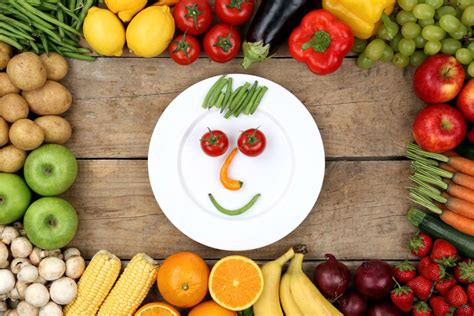
The Targeted Diet Plan: Fueling Fat Loss
Melting belly fat starts in the kitchen. A calorie deficit is fundamental – you must consume fewer calories than you burn. However, it’s not just about quantity; the quality of your calories is crucial for hormonal balance and satiety.
1. Prioritize Protein and Fiber
- Protein: Aim for 1g of protein per pound of target body weight daily. Protein is highly thermogenic, meaning your body burns more calories digesting it. It also preserves muscle mass during weight loss and keeps you feeling full. Good sources include lean meats (chicken breast, turkey, lean beef), fish, eggs, dairy, and plant-based options like lentils and beans.
- Fiber: Found in vegetables, fruits, whole grains, and legumes, fiber helps regulate blood sugar, improves gut health, and promotes satiety, preventing overeating. Focus on insoluble and soluble fiber.
2. Embrace Healthy Fats
Don’t fear fats! Healthy fats are essential for hormone production and nutrient absorption. Include sources like avocados, nuts (almonds, walnuts), seeds (chia, flax), olive oil, and fatty fish (salmon). Limit saturated fats and avoid trans fats entirely.
3. Drastically Reduce Refined Carbs and Sugars
This is perhaps the most impactful dietary change for belly fat. Refined carbohydrates (white bread, pasta, pastries) and sugary drinks cause rapid spikes in blood sugar and insulin, signaling your body to store fat, especially around the abdomen. Opt for complex carbohydrates in moderation, such as oats, quinoa, brown rice, and sweet potatoes, consumed primarily around workouts.
4. Hydration is Key
Drink plenty of water throughout the day. Water aids metabolism, helps with satiety, and supports overall bodily functions. Sometimes, thirst can be mistaken for hunger.
The Strategic Workout Plan: Building Muscle, Burning Fat
While diet is paramount, exercise is the accelerator. A combination of strength training and strategic cardio is most effective.
1. Strength Training: 3-4 Times Per Week
Building muscle is crucial for increasing your resting metabolic rate, meaning you burn more calories even at rest. Focus on compound movements that work multiple muscle groups simultaneously:
- Lower Body: Squats (barbell, goblet), Deadlifts (conventional, sumo, Romanian), Lunges.
- Upper Body Push: Bench Press (barbell, dumbbell), Overhead Press, Dips.
- Upper Body Pull: Rows (barbell, dumbbell, cable), Pull-ups/Lat Pulldowns.
- Full Body: Push-ups, Burpees.
Aim for 3-4 sets of 6-12 repetitions per exercise, lifting heavy enough to challenge yourself by the last few reps. Progressively overload by increasing weight, reps, or sets over time.

2. Cardio: HIIT and LISS
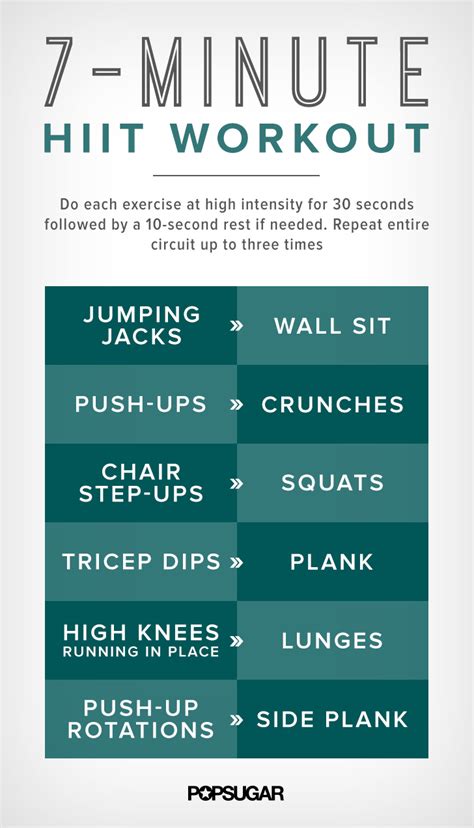
High-Intensity Interval Training (HIIT): 2-3 times per week on non-strength training days, or after a session. HIIT involves short bursts of maximum effort followed by brief recovery periods (e.g., 30 seconds sprint, 60 seconds walk, repeat 8-10 times). It’s incredibly effective for fat burning and improving cardiovascular fitness.
Low-Intensity Steady State (LISS): Incorporate 20-40 minutes of LISS cardio (brisk walking, jogging, cycling) 2-3 times per week, especially if you’re new to exercise or recovering from intense sessions. LISS is excellent for overall health, stress reduction, and calorie expenditure without excessive strain.
3. Core Specific Exercises (for Strength, Not Spot Reduction)
While you cannot spot-reduce fat from your belly, strengthening your core muscles will improve posture, reduce injury risk, and create a firmer foundation once the fat comes off. Include exercises like:
- Planks (various variations)
- Bicycle Crunches
- Leg Raises
- Russian Twists (controlled, with good form)
Lifestyle Factors: The Unsung Heroes of Fat Loss
Beyond diet and exercise, these often-overlooked elements significantly impact belly fat.
1. Prioritize Sleep
Aim for 7-9 hours of quality sleep per night. Lack of sleep elevates cortisol levels and disrupts hunger-regulating hormones (ghrelin and leptin), leading to increased cravings and fat storage.
2. Manage Stress
Chronic stress leads to persistently high cortisol, which directs fat storage towards the abdomen. Incorporate stress-reducing activities like meditation, yoga, hobbies, or spending time in nature.
3. Be Consistent and Patient
Fat loss, especially stubborn belly fat, is a marathon, not a sprint. Consistency in your diet, workout, and lifestyle choices over weeks and months will yield sustainable results. Expect plateaus and learn to push through them.

Putting It All Together for Lasting Results
Melting stubborn belly fat effectively requires a holistic and consistent approach. By creating a sustainable calorie deficit with a high-protein, high-fiber, healthy-fat diet, integrating both strength training and strategic cardio into your routine, and optimizing your sleep and stress levels, you’ll not only achieve a leaner physique but also significantly improve your long-term health. Remember, consult with a healthcare professional or a registered dietitian before making significant changes to your diet or exercise routine.