Confronting the Credit Card Conundrum
For many men, credit card debt can feel like a silent, growing burden, often accumulating from unforeseen expenses, lifestyle creep, or simply a lack of financial planning. It’s a weight that can impact everything from daily stress levels to long-term financial goals. But here’s the good news: taking control is entirely within your grasp. This article provides a clear, actionable roadmap to not just eliminate credit card debt rapidly but also to construct a robust financial foundation that will serve you for years to come.
Step 1: Get Real About Your Debt Landscape
The first and most crucial step is to gain a clear, unvarnished view of your current situation. Gather all your credit card statements. List out every card, its outstanding balance, and critically, its interest rate (APR). Don’t shy away from the numbers; confronting them directly is empowering. This comprehensive overview will be your battle plan, helping you identify which debts are the most damaging due to high interest.
Understanding the total amount you owe and the interest charges you’re accruing monthly will underscore the urgency and motivate you to act. Knowledge is power, and in this case, it’s the first step towards financial freedom.

Step 2: Engineer a Debt-Slaying Budget
A budget isn’t about restriction; it’s about control. Create a detailed budget that tracks every dollar coming in and going out. Categorize your expenses: fixed (rent/mortgage, utilities) and variable (groceries, entertainment, dining out). Identify areas where you can cut back significantly, even temporarily. Look for ‘budget vampires’ – those small, recurring expenses that add up over time, like subscription services you don’t use or daily coffee runs.
The goal is to free up as much money as possible to direct towards your credit card debt. Even small cuts can make a big difference when consistently applied. Be honest with yourself about wants versus needs, and prioritize debt repayment above discretionary spending.
Step 3: Choose Your Debt Annihilation Strategy
With your budget in place and extra cash identified, it’s time to pick a strategy:
- Debt Snowball Method: List your debts from smallest balance to largest. Pay the minimum on all but the smallest, on which you throw every extra dollar. Once that’s paid off, take the money you were paying on it (minimum + extra) and apply it to the next smallest debt. This method builds psychological momentum.
- Debt Avalanche Method: List your debts from highest interest rate to lowest. Pay the minimum on all but the one with the highest interest rate, on which you apply all extra funds. This method saves you the most money on interest over time.
Consider other tools like a 0% APR balance transfer credit card (if you’re disciplined enough to pay it off before the promotional period ends) or a personal loan for debt consolidation (if it offers a lower, fixed interest rate). Research these options carefully to ensure they align with your goals and don’t create new problems.

Step 4: Accelerate Payments & Boost Income
Don’t just stick to the minimums; paying more than the minimum payment is the fastest way to reduce your principal and interest charges. Look for opportunities to boost your income: take on a side hustle, freelance, sell unused items, or negotiate a raise at work. Every extra dollar earned should be immediately channeled towards your debt.
The quicker you pay down your debt, the less interest you’ll accrue, freeing up funds sooner for building your financial foundation.
Building a Strong Financial Foundation: Beyond Debt
Once you’ve crushed your credit card debt, the focus shifts to building lasting financial security. This means establishing several key pillars:
Establish an Emergency Fund
Your first post-debt priority should be to save an emergency fund. Aim for 3-6 months’ worth of essential living expenses in a separate, easily accessible savings account. This fund acts as a buffer against unexpected events like job loss, medical emergencies, or car repairs, preventing you from falling back into debt.

Invest in Your Future
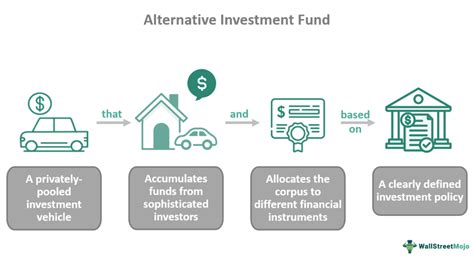
With an emergency fund in place, start investing consistently. This could involve contributing to a 401(k) or IRA, especially if your employer offers a match (which is essentially free money!). Explore diversified investment options like index funds or ETFs. The power of compounding interest means the sooner you start, the more your money can grow over time.
Prioritize Financial Literacy
Financial education is an ongoing journey. Read books, listen to podcasts, and follow reputable financial news sources. Understanding topics like inflation, asset allocation, taxes, and market cycles will empower you to make smarter financial decisions throughout your life.
Maintaining Financial Momentum
Building a strong financial foundation isn’t a one-time event; it’s a commitment to smart habits:
- Live Below Your Means: Continue to spend less than you earn, even as your income grows.
- Regular Financial Reviews: Annually review your budget, investments, and financial goals. Adjust as needed.
- Avoid New Debt: Be extremely cautious with new credit, using it only for strategic purposes and paying it off immediately.
- Protect Your Assets: Ensure you have adequate insurance (health, auto, home, life) to protect yourself and your family from financial ruin.
By diligently following these steps, men can not only slash credit card debt quickly but also lay down the robust financial groundwork necessary for long-term wealth, security, and peace of mind. It’s about making conscious choices today that will profoundly impact your financial tomorrow.