Understanding the Challenge: Why After 30?
As men cross the threshold of 30, the body undergoes subtle yet significant changes that can make shedding stubborn belly fat and building lean muscle a more formidable task. Metabolism naturally begins to slow down, often by 1-2% per decade, meaning your body burns fewer calories at rest. Hormonal shifts, particularly a gradual decline in testosterone levels, also play a crucial role. Lower testosterone can contribute to increased fat storage, especially around the midsection, and make muscle building more challenging. Insulin sensitivity can also decrease, affecting how your body processes carbohydrates.
The Nutritional Blueprint for Success
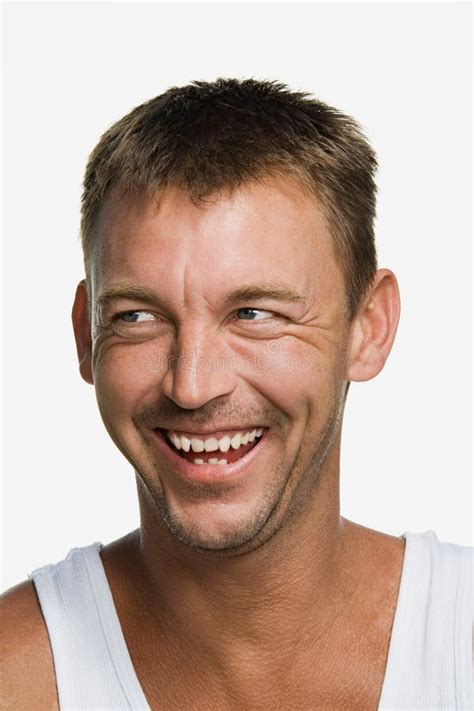
Effective body recomposition — simultaneously losing fat and gaining muscle — hinges largely on a strategic approach to nutrition. Forget restrictive fad diets; focus on sustainable, nutrient-dense eating.
Prioritize Protein Intake
Protein is paramount for muscle repair and growth, and it also has a higher thermic effect, meaning your body burns more calories digesting it. Aim for 1.6-2.2 grams of protein per kilogram of body weight daily, distributed across meals. Lean meats, poultry, fish, eggs, dairy, and plant-based proteins like legumes and tofu should be staples.
Smart Carbohydrate and Healthy Fat Choices
While often demonized, carbohydrates are essential for energy, especially for intense workouts. Opt for complex carbohydrates like whole grains, fruits, and vegetables, timing a larger portion around your workouts. Healthy fats from avocados, nuts, seeds, and olive oil are crucial for hormone production and satiety. Focus on a slight caloric deficit for fat loss, but ensure adequate nutrient intake to support muscle building.
The Exercise Regimen: Lift Heavy, Move Often
To combat age-related muscle loss (sarcopenia) and boost metabolism, resistance training is non-negotiable.
Embrace Strength Training
Incorporate full-body strength training sessions 3-4 times per week. Focus on compound movements that work multiple muscle groups simultaneously, such as squats, deadlifts, bench presses, overhead presses, and rows. These exercises are highly effective for building overall strength, stimulating muscle growth, and burning significant calories. Aim for progressive overload – gradually increasing the weight, reps, or sets over time.
Incorporate Smart Cardio
While strength training builds muscle, smart cardio can accelerate fat loss. High-Intensity Interval Training (HIIT) is particularly effective for burning calories and boosting metabolism even after your workout (EPOC effect). Alternatively, moderate-intensity steady-state cardio (e.g., brisk walking, cycling) for 30-45 minutes on off-days can contribute to a caloric deficit without hindering muscle recovery.

Lifestyle Factors: Beyond Diet and Exercise
True transformation extends beyond what you eat and how you move. Lifestyle choices profoundly impact your ability to lose fat and gain muscle.
Prioritize Quality Sleep
Sleep is when your body repairs and recovers. Aim for 7-9 hours of quality sleep per night. Poor sleep disrupts hormones like ghrelin and leptin (appetite regulators) and cortisol (stress hormone), which can lead to increased fat storage and muscle breakdown. Establish a consistent sleep schedule and create a conducive sleep environment.
Manage Stress Effectively
Chronic stress elevates cortisol levels, which can promote abdominal fat storage and hinder muscle growth. Incorporate stress-reduction techniques into your daily routine, such as meditation, yoga, deep breathing exercises, spending time in nature, or engaging in hobbies you enjoy.
Consistency and Patience: The Ultimate Keys
Losing stubborn belly fat and building lean muscle after 30 isn’t an overnight process; it requires unwavering consistency and patience. There will be plateaus and setbacks, but staying committed to your nutritional and exercise plan is crucial. Track your progress, celebrate small victories, and make adjustments as needed. Consider consulting with a healthcare professional or a certified personal trainer for personalized guidance, especially concerning potential hormonal imbalances or supplementation. A holistic approach, combining intelligent training, strategic nutrition, adequate rest, and stress management, is your most powerful tool for achieving a stronger, leaner physique into your thirties and beyond.