The Lure of Early Financial Freedom
For many men, the traditional career path leading to retirement at 65 or beyond is no longer the sole aspiration. The concept of early financial independence (FI) has gained significant traction, promising a life where your time is your own, unconstrained by the necessity of a paycheque. It’s about achieving a state where your investments generate enough income to cover your living expenses, offering unparalleled freedom to pursue passions, travel, spend time with family, or even start a new venture without financial pressure.
This isn’t just a pipe dream for the ultra-rich; it’s an achievable goal for those who adopt smart investment strategies, cultivate discipline, and commit to a long-term vision. The journey requires a thoughtful approach to personal finance, moving beyond basic saving to active, strategic investing.

Foundational Principles of Smart Investing for FI
Building wealth for early financial independence isn’t about luck; it’s about adhering to proven principles. The earlier you start, the more powerful compounding interest becomes. Even small, consistent contributions over decades can grow into substantial sums due to this ‘interest on interest’ effect. Maximize your savings rate by living below your means and channeling surplus income directly into investments.
Diversification is another critical pillar. Spreading your investments across various asset classes, industries, and geographies reduces risk. A diversified portfolio is less susceptible to the poor performance of any single investment, smoothing out your journey. Moreover, adopting a long-term perspective is crucial; market fluctuations are inevitable, but history shows that markets tend to grow over extended periods. Avoid emotional decisions driven by short-term news cycles.
Key Investment Vehicles for the FI Path
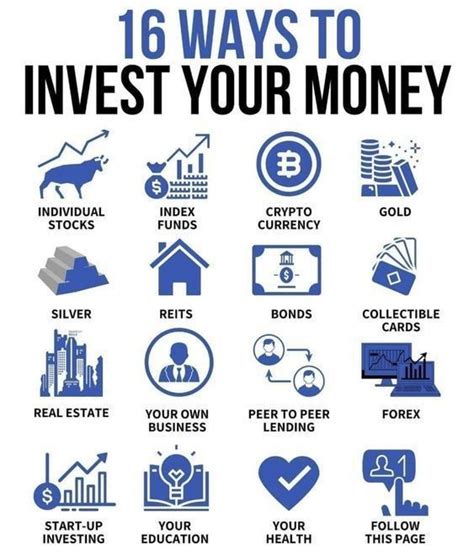
To accelerate your path to financial independence, understanding and utilizing the right investment vehicles is paramount. Low-cost index funds and exchange-traded funds (ETFs) are often recommended for their diversification, simplicity, and efficiency. They allow you to invest in a broad market segment (like the S&P 500) without needing to pick individual stocks, making them excellent core holdings.

For those willing to do more research and accept higher risk, individual stocks can offer greater returns, but they also come with higher volatility. Real estate, either through direct property ownership (rental income, appreciation) or via Real Estate Investment Trusts (REITs), can also be a powerful wealth builder and income generator. Don’t overlook tax-advantaged accounts like 401(k)s, IRAs, and HSAs (where applicable in your country), which offer significant tax benefits that can supercharge your investment growth.
Cultivating the Right Mindset and Avoiding Pitfalls
Investing smart for early FI is as much about psychology as it is about strategy. Maintaining discipline and consistency, even when markets are turbulent, is vital. Stick to your investment plan, automate your contributions, and resist the urge to tinker too much. Emotional decisions, such as panic selling during downturns or chasing hot stocks, are common pitfalls that can severely derail your progress.

Be wary of ‘get-rich-quick’ schemes or investments promising unrealistic returns; true wealth building is a marathon, not a sprint. Continuously educate yourself, but always rely on sound, fundamental principles rather than fads. Regularly review your portfolio and financial goals, making adjustments as life circumstances change, but avoid over-optimization.
Your Roadmap to Early Financial Independence
The first step on your FI journey is to define your ‘FI number’ – the amount of money you need invested to cover your annual expenses indefinitely. A common rule of thumb is 25 times your annual expenses. Next, create a detailed budget to understand your cash flow and identify areas to increase your savings rate. Automate your investments to ensure consistency and remove the temptation to spend instead of invest.

Look for opportunities to increase your income, whether through career advancement, side hustles, or developing new skills. The more you can save and invest, the faster you’ll reach your goal. Finally, don’t hesitate to seek advice from a qualified financial planner, especially when dealing with complex investment decisions or tax planning. Their expertise can provide invaluable guidance tailored to your specific situation.
Conclusion
Achieving early financial independence is a challenging yet profoundly rewarding goal. For men seeking control over their time and future, it offers a compelling alternative to traditional retirement. By understanding and applying smart investment principles, leveraging the right vehicles, cultivating a disciplined mindset, and creating a clear roadmap, the dream of early financial freedom can become a tangible reality.